Best Home Gym Equipment 2026

Thirty years of training at home. Built multiple home gyms from bare garages to proper setups. I know what equipment lasts, what breaks, and what becomes an expensive clothes rack.
Just so you know, some links on this page are affiliate links. If you buy something via them, we get a small kickback. You don't pay more, but it helps toward the next bit of kit.
Looking for more equipment recommendations?
Browse All GuidesThe best home gym equipment is the equipment you'll actually use. That sounds obvious until you've spent $800 on a treadmill that becomes a clothes rack, or bought a cable machine that needs 12 feet of clearance you don't have.
A well-chosen home gym costs less than a year of gym membership, takes up less space than you think, and removes every excuse not to train. The key is buying in the right order, so you don't waste money on gear you'll never touch before you've established a real habit.
This is the build sequence that works for most people, from first purchase to serious setup.
Quick Picks
| Category | Top Pick | Best For | |
|---|---|---|---|
| Dumbbells | REP QuickDraw | Best overall value | Check Price on Amazon |
| Heavy Dumbbells | PowerBlock Elite EXP | Serious lifters | Check Price on Amazon |
| Bench | REP AB-3000 | Commercial quality | Check Price on Amazon |
| Cardio | Concept2 RowErg | Full-body cardio | Check Price on Amazon |
| Quiet Cardio | MERACH Exercise Bike | Apartments, silent | Check Price on Amazon |
| Power Rack | CAP FM-8000F | Barbell training | Check Price on Amazon |
Prices shown are approximate at time of review. Click "Check Price on Amazon" for current pricing.
The Build Order: Why Sequence Matters
Most home gym mistakes come from buying in the wrong order. Here's what the sequence should look like:
Step 1: Adjustable dumbbells - covers 80% of training needs, zero floor space, instant payoff Step 2: Adjustable bench - unlocks pressing and rowing exercises, multiplies what dumbbells can do Step 3: Cardio (if needed) - add after you have a strength habit established Step 4: Power rack + barbell - only if you're committed to heavy barbell training and have the space
The pattern that causes regret: buying a treadmill or elliptical before you've established any training habit, then finding you use the dumbbells but not the machine.
Step 1: Adjustable Dumbbells
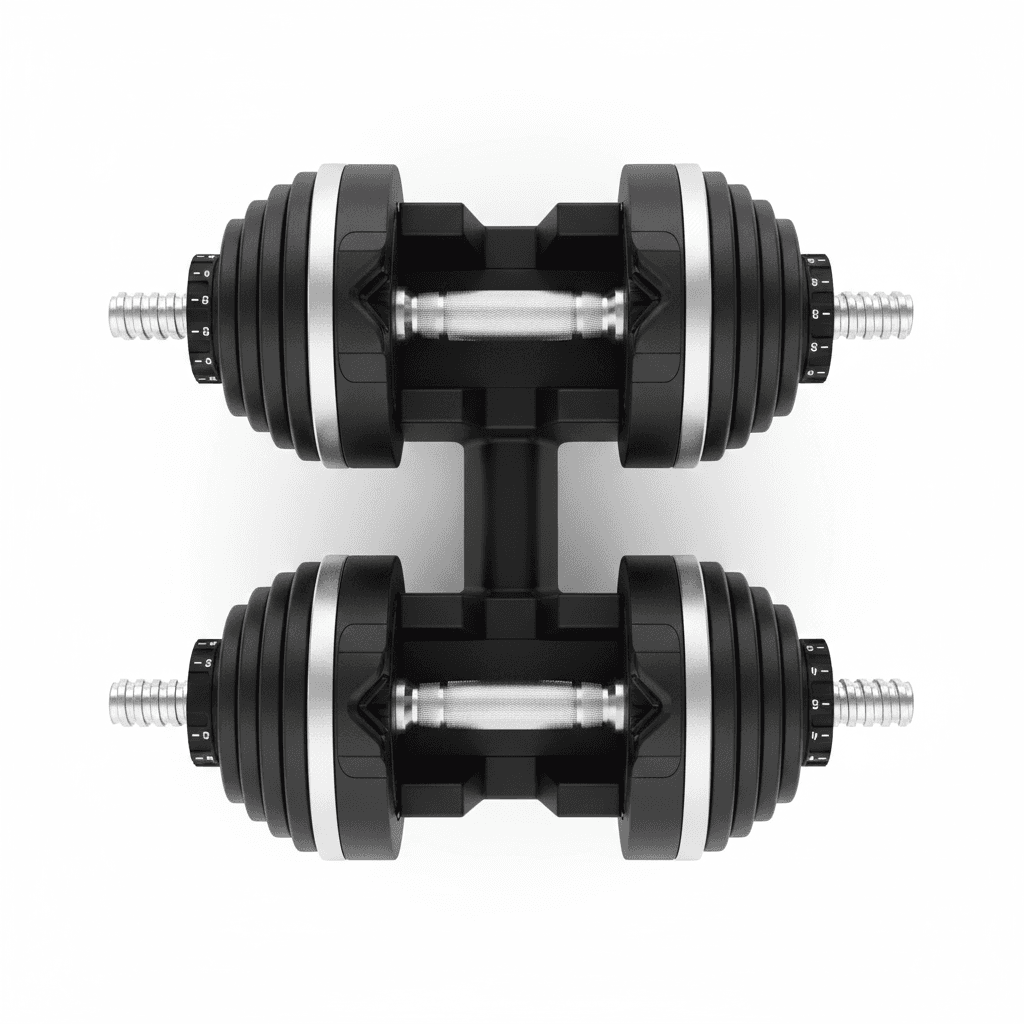
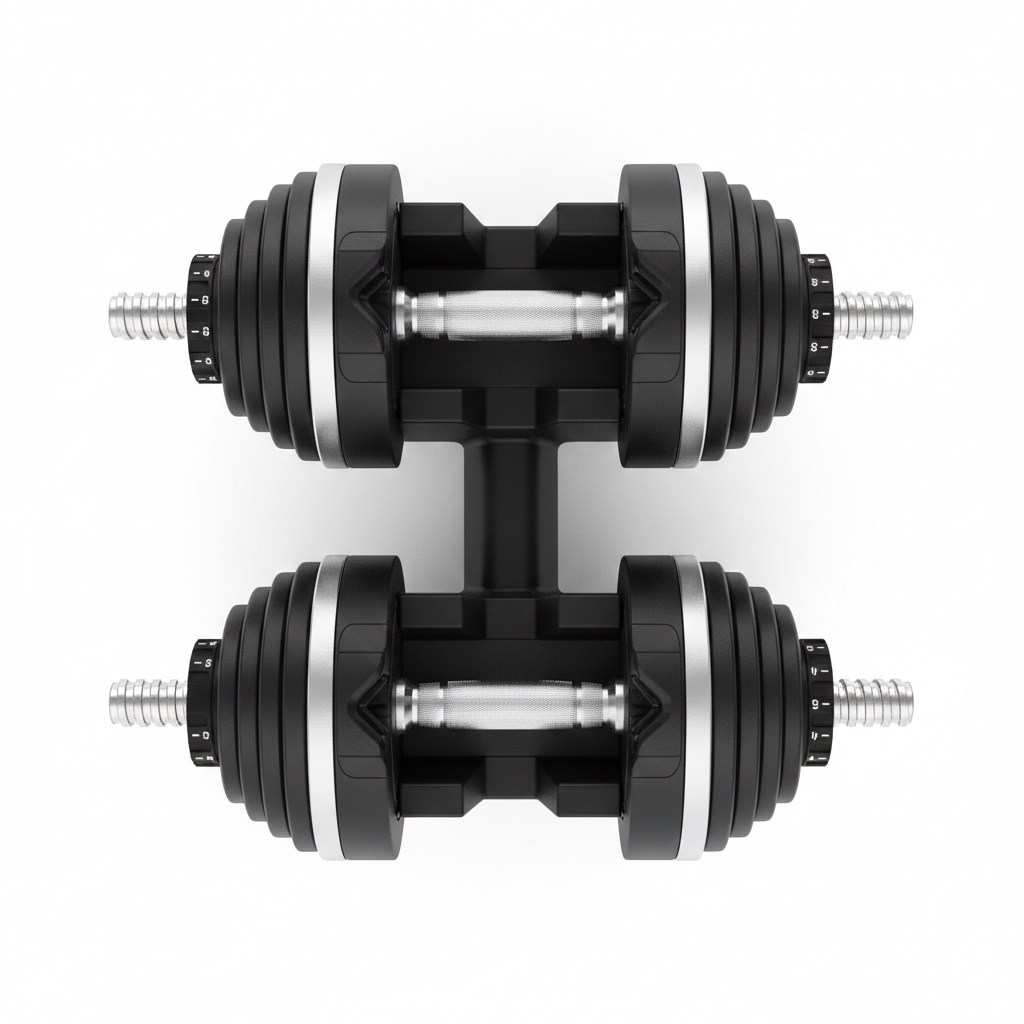
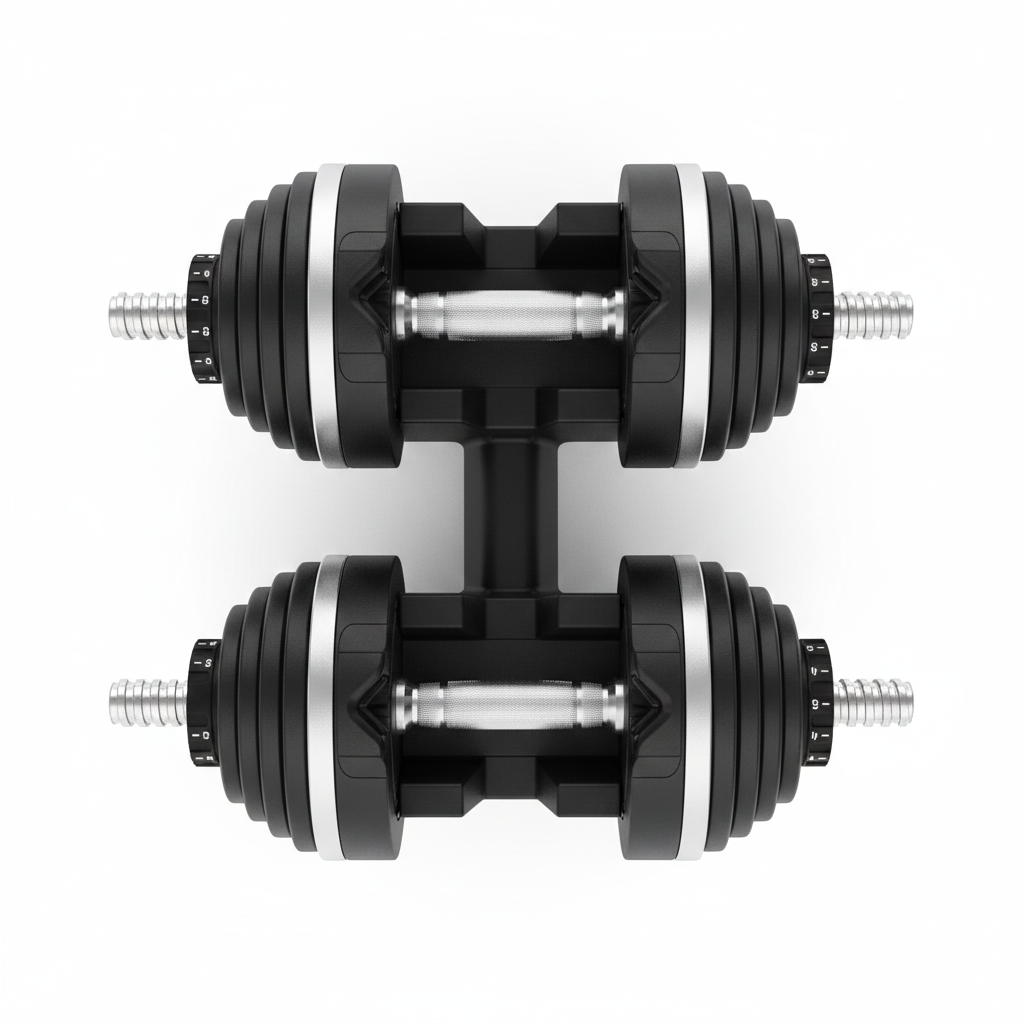
Adjustable dumbbells are the foundation of any home gym. One pair replaces 10-15 sets of fixed dumbbells, costs a fraction of the equivalent fixed set, and takes up the space of a small nightstand.
The REP QuickDraw is the best option for most people right now: commercial build quality, quick-lock mechanism for 2-3 second weight changes, 60 lb max per hand. *(Price when reviewed: around $390/pair | Check Price on Amazon)*
For heavier work up to 90 lb: the PowerBlock Elite EXP with expansion kit covers serious intermediate and advanced lifting. *(Price when reviewed: approximately $500/pair | Check Price on Amazon)*
For entry-level: spin-lock sets like the Yes4All (roughly $60) get you training immediately without commitment. Slow weight changes, but cast iron lasts forever.
> Recall notice: The Bowflex SelectTech 552 and original SelectTech 1090 were recalled in June 2025 (around 3.8 million units) due to plates detaching during use. Do not buy or use these models.
What adjustable dumbbells cover: chest press, rows, shoulder press, lateral raises, bicep curls, tricep extensions, Romanian deadlifts, lunges, step-ups, goblet squats. That's a complete training program without anything else.
Step 2: Adjustable Bench
Once you have dumbbells, an adjustable bench multiplies what you can do with them.
Without a bench: you're limited to floor presses, which cut off the bottom range of motion on chest work and prevent full incline or decline angles.
With a bench: incline press, flat press, decline press, seated shoulder press, incline rows, step-ups. Your effective exercise library doubles.
The REP AB-3000 is the bench to buy if you know you'll train consistently: 11-gauge steel, 1000 lb capacity, no pad gap, 8 backrest positions. *(Price when reviewed: approximately $320 | Check Price on Amazon)*
For tight spaces: the Bowflex 5.1S Stowable stands vertically when not in use - floor footprint drops from 61" to 24" long. 600 lb capacity, 6 positions. *(Price when reviewed: roughly $300 | Check Price on Amazon)*
The bench + dumbbells combination is the most versatile equipment pairing in home gym setups. Most people with these two things never need anything else for upper body and core work.
Step 3: Adding Cardio
Cardio equipment earns its space when you've already established a strength training habit and want to add conditioning work, or when cardio is your primary training goal.
The best full-body cardio option: Concept2 RowErg (around $1,100). Air flywheel, dynamic resistance, the machine used in every serious gym worldwide. Folds and separates for storage. Zero impact on joints. *(Price when reviewed: approximately $1,100 | Check Price on Amazon)*
Silent apartment cardio: MERACH Stationary Exercise Bike (roughly $290). Magnetic resistance, near-silent, fits in a bedroom corner. Good for steady-state and interval work without waking anyone up. *(Price when reviewed: around $290 | Check Price on Amazon)*
For a full comparison of rowers: see best rowing machines for US home gyms.
What to skip: treadmills take significant floor space and create floor impact that most home setups can't absorb. Ellipticals are better but still require permanent dedicated space. Unless you specifically love treadmill running, both are lower-efficiency purchases than a rower or bike for the space they need.
Step 4: The Power Rack (When You're Ready)
A power rack transforms a home gym. With one, you can safely squat, bench press, and overhead press heavy barbells alone - the exercises that build the most strength fastest.
The requirements are real: minimum 8' x 8' floor space when racked, ceiling height of at least 8', and a floor that can handle the weight. Not every home setup can accommodate this.
The CAP FM-8000F Power Rack is the entry-level commercial rack that home gym builders trust: adjustable J-hooks, safety spotter bars, pull-up bar included, 500 lb capacity. *(Price when reviewed: approximately $300 | Check Price on Amazon)*
Pair with a CAP Barbell Olympic Weight Set for a complete barbell setup. *(Price when reviewed: roughly $230 | Check Price on Amazon)*
If you would rather have the rack, a guided Smith bar and a full cable station in one frame instead of buying them piece by piece, an all-in-one like the Major Fitness Drone2 folds the lot into a single steel cage, provided you can give it a permanent home.
Skip the rack if: you don't have the space, you're training primarily with dumbbells, or you haven't yet established a consistent training habit. Dumbbells plus a bench covers 90% of exercises without the rack footprint.
Flooring
Rubber gym flooring is the overlooked essential. It protects your floor (and your knees on hard concrete), dampens vibration from dropped weights, and makes standing movements comfortable for extended sessions.
Half-inch interlocking rubber tiles cover most home gym needs. For dedicated garage gyms, ¾-inch tiles handle dropped plates better. For bedroom or small room setups, a single rubber mat under the main training area is enough.
Don't skip flooring. The cost is low (around $1-2/sq ft for basic tiles) and floor damage is expensive.
Room Sizing: Minimum Requirements
| Setup | Minimum Floor Space | Ceiling Height |
|---|---|---|
| Dumbbells only | 6' x 6' | Standard (8') |
| Dumbbells + bench | 8' x 8' | Standard (8') |
| + Rowing machine | 8' x 12' (rower unfolded) | Standard (8') |
| + Power rack | 10' x 10' | 8'6"+ minimum |
| + Rack + bench + cardio | 12' x 14' | 9'+ preferred |
The power rack ceiling requirement catches people off guard. Most standard residential ceilings are 8'0" - a power rack with uprights at 7'6" plus a loaded barbell overhead needs at least 8'6" of clear height. Measure before buying.
For tight rooms: a dumbbell-and-bench setup genuinely works in a 6'x8' space. Rowers fold for storage but need 8' of length when deployed. A folding bench (like the Bowflex 5.1S) and compact dumbbells can fit in a bedroom corner that becomes a gym during training and a normal room afterward. If even that feels like too much permanent kit, an all-in-one AI machine like the Speediance Gym Monster 2 folds the entire setup, cage and cable stack included, into under three square feet, though you pay a steep premium for the convenience. If you are weighing it against the wall-mounted alternative, the Tonal 2 vs Speediance comparison lays out the trade. And if you are torn between a premium smart gym and a far cheaper traditional one, the Tonal 2 vs BowFlex Xceed comparison weighs AI coaching against proven Power Rod value.
Building the Habit Before Building the Gym
The biggest mistake new home gym buyers make is spending $1,500 on equipment before they have a training habit established.
The habit comes first. Here's the evidence-based approach:
Month 1: Adjustable dumbbells only. Train in your living room or bedroom. Three sessions per week for 30 minutes. If you hit 10 of 12 sessions this month, you have a habit.
Month 2-3: Add the bench. Your sessions get more structured. You have specific exercises with specific progressions.
Month 4+: Consider cardio or rack only if you're still training consistently. The gym expands with the habit, not ahead of it.
This approach means you never have a $2,000 setup collecting dust because you bought everything before you knew if you'd use it. The dumbbells get used even if nothing else does.
Equipment Comparison by Goal
| Training Goal | First Buy | Second Buy | Third Buy |
|---|---|---|---|
| General fitness | Adjustable dumbbells | Adjustable bench | Cardio machine |
| Strength + muscle | Adjustable dumbbells | Adjustable bench | Power rack + barbell |
| Cardio focus | Rowing machine or bike | Adjustable dumbbells | Bench |
| Weight loss | Cardio machine | Adjustable dumbbells | Bench |
| Athletic conditioning | Kettlebell set | Adjustable dumbbells | Rowing machine |
The strength + muscle path (dumbbells → bench → rack) is the most common for people who want visible results and are prepared to follow a proper program. The general fitness path is right if you want to be healthier, move better, and aren't chasing specific performance targets.
What Not to Buy
Cheap cable towers: the single-stack budget ones are large, single-use, and cover the same exercises as dumbbells. A proper dual-pulley functional trainer is the real exception, but treat it as a later upgrade, not a first buy.
Ab gadgets: sit-ups, planks, and leg raises on a mat do more than any dedicated ab machine.
"All-in-one" multi-gym systems from TV shopping: typically poor build quality, limited weight range, take up enormous space.
Smart treadmills with subscription screens: you're buying a $2,000 piece of hardware that requires a $40/month subscription for basic functionality. The Peloton model only works if you'll actually use the classes every week.
Budget Phased Build Guide
Phase 1 - First purchase (around $400): REP QuickDraw or Yes4All spin-lock if budget is tight. Start training. See if you'll actually do it.
Phase 2 - Add a bench (approximately $700 total): REP AB-3000 or Merax with Leg Developer for budget. Exercise library doubles.
Phase 3 - Add cardio (roughly $1,000-1,800 total): Concept2 RowErg if you have the budget. MERACH bike if noise or space is the constraint.
Phase 4 - Barbell setup (around $1,600-2,100 total): Power rack + Olympic barbell set + rubber flooring. Only if you're committed to heavy barbell training and have the space.
Maintenance and Upkeep
The good news: garage gym maintenance is minimal compared to the cost and effort of the equipment itself.
Barbell care: Wipe down the bar after each session with a dry rag. Once a month, brush the knurling with a nylon brush to remove chalk and skin buildup, then apply a thin coat of 3-in-1 oil to the sleeves where the plates sit. This takes five minutes and keeps the bar spinning smoothly for years. Neglect it and the sleeves seize up, making plate loading a fight.
Plate and rack care: Wipe down iron plates and rack uprights with a dry cloth monthly. If you notice surface rust forming (common in humid garages), fine steel wool removes it quickly. A light coat of paste wax on iron plates prevents future oxidation. Rubber bumper plates need nothing beyond occasional wiping.
Flooring: Sweep or vacuum weekly to remove grit that can damage rubber over time. Mop with mild soap and water monthly. Rubber gym flooring is nearly indestructible under normal training loads and requires no special treatment or products.
Climate monitoring: In humid climates, run a small dehumidifier ($40-60) to prevent condensation forming on metal surfaces overnight. Moisture is the only real enemy of garage gym equipment. A cheap humidity monitor mounted on the wall tells you when condensation risk is high so you can act before rust sets in.
Frequently Asked Questions
How much space does a home gym need? A basic setup (dumbbells + bench) needs about 6' x 8'. Add a rower and you need another 4' x 8' for it when unfolded (or 3' x 2' when stored). A power rack needs 8' x 8' of clear floor space with 8'+ ceiling height.
Can I build muscle with just dumbbells? Yes, completely. Compound dumbbell movements (press, row, RDL, lunge) cover every muscle group. Plenty of people have built significant muscle without barbell training. The main limitation is the load ceiling - once you're pressing 60 lb dumbbells, a barbell enables heavier loading.
Used vs new gym equipment - is it worth it? For barbells, plates, and power racks: yes, strongly. They're metal and don't wear out. Used is often half the price. Facebook Marketplace and Craigslist are the right places to look. For cardio equipment: depends on the brand - a used Concept2 is excellent, a used no-name elliptical is a risk.
What's the minimum home gym that actually works? Adjustable dumbbells covering 10-60 lb and an adjustable bench covering flat through 45° incline. That combination covers every essential exercise without anything else.
The First-Year Progression
Weeks 1-4: Learn basics. Dumbbell bench press, rows, goblet squats, shoulder press, Romanian deadlifts. Three sets of 10, three times per week. Light weight, focus on form.
Weeks 5-12: Progressive overload. When all prescribed reps are completed with good form, add the smallest increment. Add pull-ups and dips.
Months 4-6: Introduce barbell movements if you have a rack. Split into upper/lower body, four sessions per week.
Training Alone Safely
Home gym training means no spotter. This requires planning.
Never bench press heavy without safety bars. Failing a bench press alone without safeties puts the bar on your chest or neck. Use dumbbells for pressing if you lack a rack with safety bars. Dumbbell pressing is actually safer solo because you can drop the weights to your sides.
The roll of shame is the emergency technique for failed bench press without safeties. Roll the bar down your torso to your hips, sit up, and stand. It works but is unpleasant with heavy weight and can bruise ribs. Safety bars eliminate the need for this entirely.
Maintenance That Protects Your Investment
Home gym equipment needs minimal maintenance but what it requires is non-negotiable.
Metal surfaces rust in humid environments. Wipe barbells and dumbbells with a lightly oiled cloth monthly. For barbells with spinning sleeves, apply a drop of oil to sleeve bearings every 3-6 months.
Vinyl and rubber (bench pads, flooring) degrade with sweat. Wipe benches after every session. A spray of cleaner and a cloth takes 15 seconds. This prevents the cracking that ruins bench pads within two years.
Cable machines need monthly cable checks. A frayed cable under load is dangerous. Replace immediately at any sign of visible damage.
The Equipment Buying Order
The order you buy matters more than which brands you choose. Buy wrong and expensive equipment gathers dust while you lack basics for effective training.
Month 1: Adjustable dumbbells and bench. These cover 80% of exercises in any strength programme. Chest press, rows, shoulder press, curls, tricep extensions, lunges. A beginner trains productively for 6-12 months with nothing else. Budget: $350-600 for both.
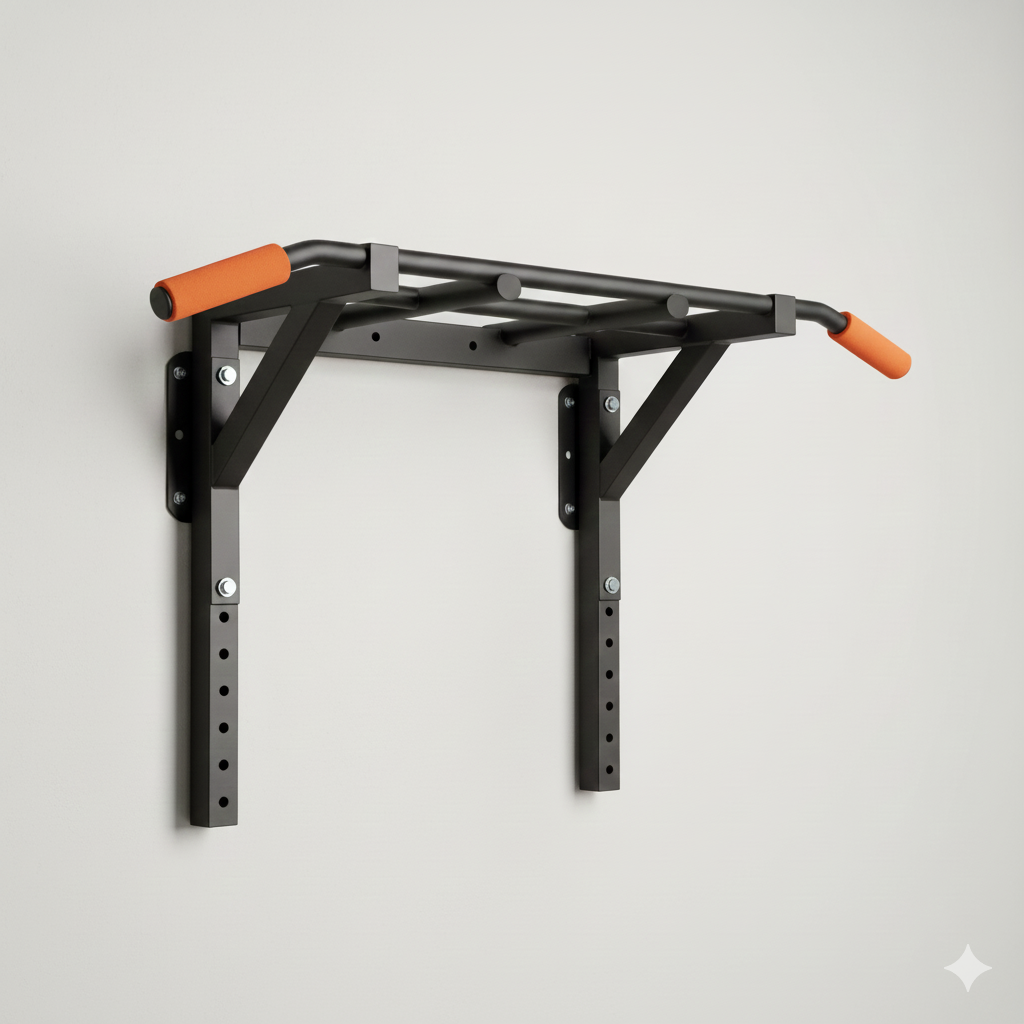
Month 3-4: Pull-up bar and resistance bands. The pull-up bar adds vertical pulling that dumbbells cannot replicate. Resistance bands add face pulls for shoulder health, assisted pull-ups, and exercise variety. Combined cost: around $40-60.
For resistance band recommendations in the US market, the best resistance bands US guide covers loop bands, tube bands, and fabric options.
Month 6+: Cardio equipment. By this point you know whether you prefer cycling, rowing, or running. Do not buy cardio first. Most people who buy a treadmill without established training habits use it for three weeks and then hang clothes on it. Build the habit with strength training first.
For the rowing machine vs exercise bike decision in the US, the rowing machine vs bike guide covers which suits different fitness goals.
Month 9+: Power rack and barbell. This is the serious commitment. A rack and barbell open up squats, deadlifts, and barbell bench press. By month 9, you know whether you are committed enough to justify the space and cost. Budget: $400-800 for rack, bar, and starter plates.
Resale Value and the Used Market
Home gym equipment holds value well in the US. Facebook Marketplace, Craigslist, and OfferUp are active markets.
High resale (70-85% of new): Concept2 rowers, PowerBlock dumbbells, Rogue barbells, iron plates. Constant demand, limited supply.
Moderate resale (50-70%): Rep Fitness racks, branded exercise bikes, quality kettlebells. Sell within a week at fair prices.
For the kettlebell vs dumbbell decision in the US market, the kettlebell vs dumbbell guide covers when each tool is more effective.
For kettlebell recommendations in the US market, the best kettlebells US guide covers cast iron, competition, and adjustable options.
Low resale (20-40%): Budget treadmills, unbranded equipment, cheap benches. These flood the market. This is why buying quality costs less long-term. A premium PowerBlock set holds most of its resale value, so its true cost to own is modest. A budget set resells for almost nothing, so despite the lower sticker it can cost a similar amount to own. Similar net cost, dramatically different training experience.
Garage Gym Considerations for US Homes
American garages offer more space than typical UK setups, but the climate challenges are different.
What to Avoid
For the full guide to setting up a garage gym in the US, the garage gym setup guide covers flooring, equipment, and layout.
Cardio machines as your first purchase. The treadmill-as-first-purchase is the most common expensive mistake in home gym setup. Treadmills cost $700-2,000, require 7+ feet of clear space, and become clothes hangers when the initial motivation fades. The data on home gym equipment usage is consistent: machines requiring a dedicated habit before they feel useful (treadmills, ellipticals, bikes) fail for people who have not yet established a training habit. Start with dumbbells. The cardio machine earns its place once you have proven you will show up consistently.
"All-in-one" cable machines at budget prices. The functional trainer or cable crossover is genuinely useful equipment, but budget versions below $400 have cable quality and pulley systems that fail within two years. The weight stacks are often inaccurate, the cable housing develops fraying, and the frame wobbles during cable pulls. A proper functional trainer costs $700-1,200. If that budget is available and you have the space (8+ feet clearance), it is worth it. Below that, the money is better spent on dumbbells, a bench, and a pull-up bar.
For setting up a complete home gym on a budget in the US, the home gym budget guide US covers the best combinations at different price points.
Combination machines that do many things poorly. Home gym "combo units" that promise lat pulldowns, cable work, a Smith machine, and a bench in one package typically compromise every function. The cable systems have too short a range, the Smith machine rails bind, and the bench angles are limited. Genuine equipment for each function costs more but works correctly. Prioritise one piece of equipment that does its job well over a combo machine that does several jobs badly.
Buying in the wrong order. The sequence matters more than the individual choices. Many people buy a power rack before they have established a barbell training habit, or buy a treadmill before they have proven they will use it. The progression that works: adjustable dumbbells first (covers everything), bench second (unlocks pressing), cardio equipment third (if cardio habit is established), power rack fourth (if barbell training is a committed practice). Skipping steps creates expensive gear that gathers dust.
FAQ
What is the minimum equipment for a real home gym? A pair of adjustable dumbbells and a flat bench cover the majority of effective training. Dumbbells handle pressing, pulling, curls, lateral raises, Romanian deadlifts, and goblet squats. A bench adds incline and decline pressing. That combination fits in a 6 x 6 foot corner and costs $500-600. Add a pull-up bar and you have upper body pulling covered. That is a complete gym for most people.
How much space do I actually need? A training area of 7 x 10 feet (70 square feet) handles dumbbells, a bench, and a pull-up bar with room to move. A full setup with a power rack, barbell, and plates needs roughly 10 x 12 feet. A treadmill or elliptical requires an additional 4 x 8 feet of clear space. The minimum viable home gym fits in a space many people have available. Most estimates of the space required are too large.
For pull-up bar recommendations in the US market, the best pull-up bars US guide covers doorframe, wall-mounted, and freestanding options.
How long before I see results? Consistent training three times per week produces visible strength improvements within 4-6 weeks, and visible physique changes within 8-12 weeks for most people. The timeline depends far more on consistency than on equipment quality. The person training consistently with $300 in dumbbells will see better results than the person with $3,000 in equipment training sporadically. Buy what gets you training reliably, not what looks most impressive.
Should I buy used gym equipment? Barbells, plates, power racks, and benches are good used purchases. These are simple metal items that last decades and are often available cheaply from people clearing out home gyms. Cardio equipment (treadmills, ellipticals, bikes) is riskier used because the electronic components and drive systems are expensive to repair. Adjustable dumbbells with dial mechanisms should be bought new: the mechanism degrades over time and you cannot easily assess its condition on a used set.
For elliptical recommendations in the US market, the best ellipticals US guide covers compact, folding, and full-size options.
For treadmill recommendations in the US market, the best treadmills US guide covers folding, commercial-grade, and compact options.
For power rack recommendations in the US market, the best power racks US guide covers squat racks, half racks, and full cages.
The Verdict
The home gym equation is simple: adjustable dumbbells first, adjustable bench second. Those two purchases together cover almost everything, cost less than six months of a commercial gym membership, and take up the space of a large armchair.
For the home gym vs gym membership cost comparison in the US, the home gym vs gym membership guide covers the full break-even analysis.
For adjustable dumbbell recommendations in the US market, the best adjustable dumbbells US guide covers the top options at every price point.
The REP QuickDraw and REP AB-3000 are the best versions of those two purchases available right now. Everything else - cardio, rack, barbell - adds capability when you've proven you'll use what you already have.
Start with the dumbbells. Add the bench. Build from there. The rest takes care of itself once the habit is established.
Once the training kit is handled, recovery is the multiplier, and a cold plunge is one of the cheapest ways to feel better the day after a hard session. For weight bench recommendations in the US market, the best weight benches US guide covers flat, adjustable, and Olympic options.
What You'll Need With It

Commercial-grade rubber tiles with EPDM top layer and shock-absorbing pattern. Can handle dropped weights safely. The choice for serious home gyms with Olympic lifting.
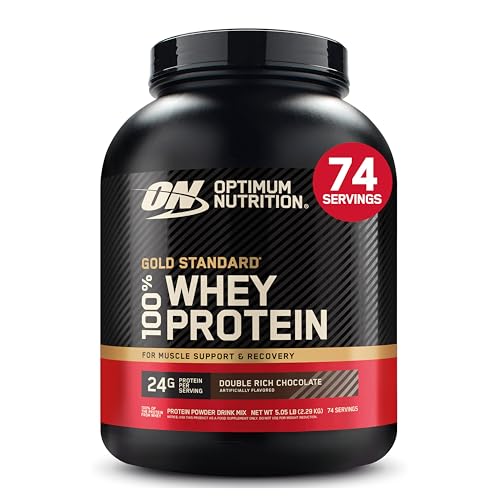
Industry-standard protein powder with premium quality and excellent mixability. The benchmark against which other proteins are measured. Great taste and trusted by athletes worldwide.
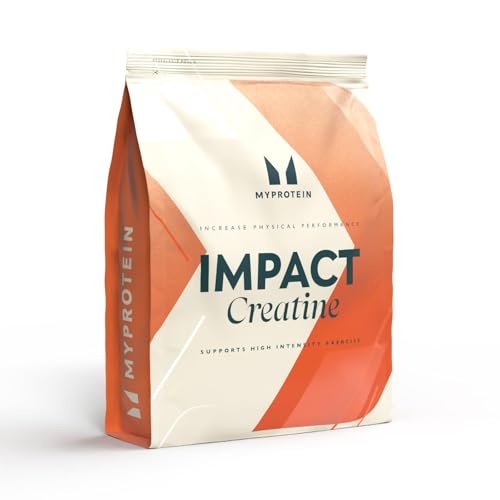
Pure creatine monohydrate powder - the most researched and effective supplement for strength and muscle gains. 5g per serving, unflavoured. Mixes easily with water or protein shake.
As an Amazon Associate, we earn from qualifying purchases.
Products Mentioned in This Guide
Frequently Asked Questions
Related Guides
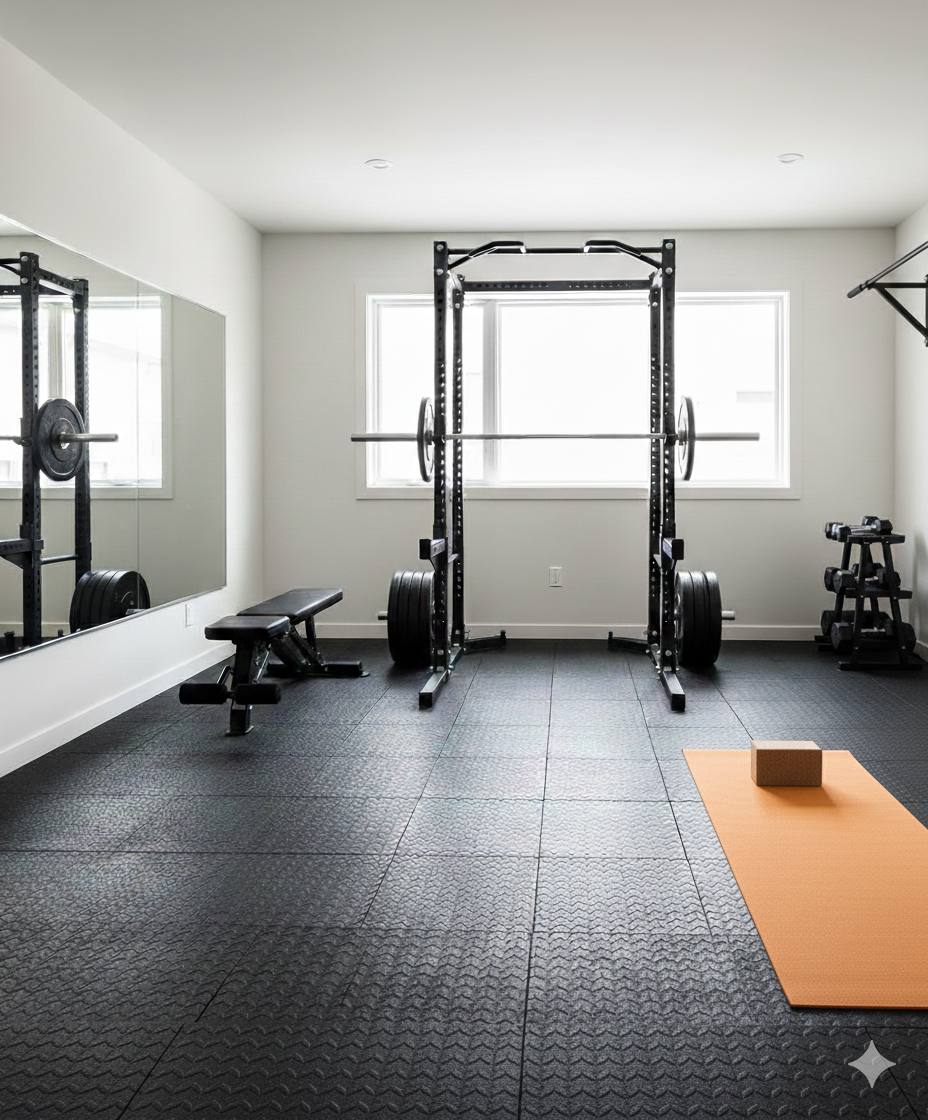
Find Your Perfect Equipment
Expert guides for racks, barbells, plates, benches, and more. Build your home gym the right way.
Browse All Guides