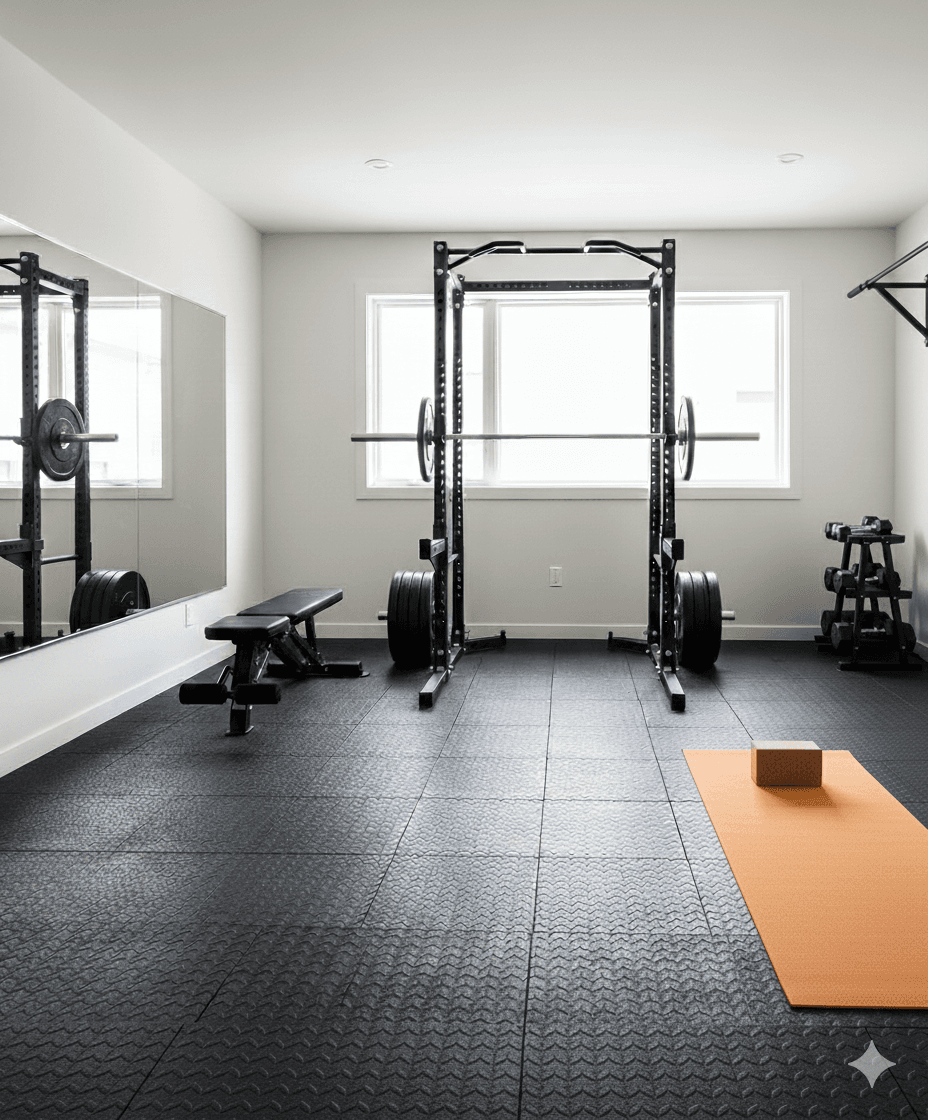
Home Gym vs Gym Membership: Cost Analysis

Thirty years of training at home. Built multiple home gyms from bare garages to proper setups. I know what equipment lasts, what breaks, and what becomes an expensive clothes rack.
Just so you know, some links on this page are affiliate links. If you buy something via them, we get a small kickback. You don't pay more, but it helps toward the next bit of kit.
Looking for more equipment recommendations?
Browse All GuidesThe average American gym member pays around $58 per month and goes to the gym 4.8 times. That's $12.08 per visit - before gas, parking, or the hour of your day you spent getting there and back.
That math stings. And it's not even the full picture.
A home gym pays for itself. A gym membership never does. Here's how to think through the decision honestly.
Quick Picks
If you go home gym, here is where to start:
| Category | Pick | Best For | |
|---|---|---|---|
| Dumbbells | NordicTrack Select-A-Weight 55 lb | Best adjustable set | Check Price on Amazon |
| Bench | Bowflex 5.1S Stowable | Folds for storage | Check Price on Amazon |
| Power Rack | CAP FM-8000F Full Cage | Budget full cage | Check Price on Amazon |
| Cardio | Sunny Health Magnetic Rower | Full-body cardio | Check Price on Amazon |
Prices shown are approximate at time of review. Click "Check Price on Amazon" for current pricing.
The True Cost of a Gym Membership
Most people only think about the monthly fee. The real cost is higher.
Commercial Gym Annual Cost by Tier
| Gym Type | Monthly | Annual | Examples |
|---|---|---|---|
| Budget | $10–25 | $120–300 | Planet Fitness, Crunch |
| Mid-range | $35–70 | $420–840 | Anytime Fitness, LA Fitness, 24 Hour Fitness |
| Premium | $80–200 | $960–2,400 | Equinox, Life Time, boutique studios |
Add the hidden costs:
| Hidden Cost | Low | High |
|---|---|---|
| Gas/transportation | $300 | $900 |
| Parking (urban members) | $0 | $600 |
| Joining/initiation fees (amortized) | $10 | $40 |
| Annual maintenance fees | $20 | $60 |
| Gym snacks/drinks | $50 | $300 |
| Total Annual (excl. time) | $500 | $4,300 |
The median American lands at around $1,100–1,500/year all-in for a mid-range membership with driving.
And we haven't counted time. At 30 minutes of commute per session and 3 sessions per week, that's 78 hours per year - nearly two full work weeks - spent driving to and from a building to exercise.
The Real Cost of a Home Gym
The upfront cost is the honest objection. Here's what realistic setups cost:
Starter Setup: approximately $500–700
Everything you need to get strong and stay fit. Works in a bedroom corner, spare room, or small garage.
| Item | What to Buy | Approx. Cost |
|---|---|---|
| Adjustable dumbbells | NordicTrack Select-A-Weight 55 lb | roughly $230 |
| Adjustable bench | Bowflex 5.1S Stowable Bench | roughly $300 |
| Pull-up bar | AmazeFan doorframe bar | roughly $35 |
| Resistance bands | Yes4All set | roughly $30 |
| Exercise mat | 4'x6' rubber mat | roughly $60 |
Total: around $650. Covers bench press, rows, curls, shoulder press, squats, pull-ups, conditioning. That's 90% of what most people do at the gym.
Mid-Range Setup: roughly $1,500–2,000
Adds barbell strength training. Suitable for a garage, basement, or dedicated room.
| Addition | What to Buy | Approx. Cost |
|---|---|---|
| Power rack | CAP FM-8000F Full Cage | roughly $300 |
| Barbell + plates | 300 lb Olympic set | roughly $350 |
| Cardio | Sunny Health magnetic rower | roughly $200 |
| Flooring | 3/8" rubber tiles (100 sq ft) | roughly $120 |
Total setup: around $1,800. This is a complete home gym that outperforms most commercial facilities for strength training.
Annual Running Cost
Essentially zero beyond optional upgrades. Resistance bands eventually wear out (cheap to replace). Cables and pulleys on racks need occasional lubrication. Barbell bearings last decades.
Break-Even Analysis
| Home Gym Cost | Monthly Gym You Replace | Break-Even |
|---|---|---|
| $500 | $35/month | 14 months |
| $700 | $50/month | 14 months |
| $1,200 | $60/month + $50 gas | 11 months |
| $1,800 | $70/month + $75 gas | 12 months |
| $2,500 | $100/month + $80 gas | 14 months |
After break-even, the equipment keeps working for free. A cast iron barbell has no depreciation. Quality dumbbells outlast the people who buy them.
When a Commercial Gym Wins
Be honest about your situation before committing to home equipment.
Equipment you genuinely need: Full cable stacks, leg press machines, a 120-lb dumbbell rack, a 25-meter pool, a steam room. If these are core to your training, a home gym won't fully replace the gym - it might complement it.
Social energy is your fuel: Some people train harder when they can see others working. Accountability partners, group fitness classes, the background hum of a busy gym floor. If you consistently skip home workouts but never miss gym sessions, that environment matters and it's worth paying for.
You travel frequently: Multi-location chains (Anytime Fitness, YMCA) give you access wherever you are. A home gym only exists at home.
You're renting short-term: Moving in under a year? Don't invest in heavy equipment you'll need to move or sell. A gym membership is more flexible.
No viable space: A realistic home gym needs at minimum an 8'x8' area. If you're in a studio apartment with no outdoor storage, the math doesn't work physically.
When a Home Gym Wins
The time argument is real. A 30-minute round trip eliminates the easiest excuse not to train. Research consistently shows that proximity is the single biggest predictor of gym attendance. A gym 5 minutes away gets visited twice as often as one 15 minutes away. A gym in your garage or spare room gets visited more than any commercial gym.
Early mornings and late nights. Your home gym is open at 5am, 11pm, and every holiday. No waiting for the squat rack. No one taking the only bench. No locker room politics.
Privacy matters to you. Learning to squat, doing Turkish get-ups, filming your form for critique - all of these are easier in a private space. Beginners often skip exercises they need most because they're embarrassed to do them in public.
You train consistently already. If you have a real habit - 3 or more sessions per week, maintained for over 6 months - you're not a gym dropout risk. You'll use the equipment you buy. The math is decisively in your favor.
You're settled. Planning to stay in your home 2+ years? Home gym investment makes clear sense. Even if you sell the house, quality equipment sells easily at 50–70 cents on the dollar.
Space Reality Check
A home gym needs less space than most people assume.
| Setup | Minimum Space | What Fits |
|---|---|---|
| Dumbbell + bench only | 8' × 8' | Complete upper body and mobility training |
| + Pull-up bar | Doorframe (no floor space) | Adds vertical pulling |
| + Power rack | 10' × 10' | Full barbell strength training |
| + Rower or bike | 12' × 10' | Complete cardio addition |
| Full garage gym | 18' × 20' | Everything |
A spare bedroom, large closet cleared out, corner of a basement, or single-car garage all work for the starter or mid-range setup.
Flooring matters. Rubber tiles (3/8" thick) protect your floor and the equipment. A 10'×10' area costs around $100–150 and is worth it. Dropping weights on hardwood is expensive; dropping them on rubber is a Tuesday.
The Space Question
A home gym permanently occupies space. A spare bedroom gym means one fewer bedroom. A garage gym means no car inside. For apartment dwellers, a home gym means equipment in your living space.
The Hybrid Approach
The smartest setup for many people: a home gym for strength training, and a budget membership for cardio and variety.
- Home gym: dumbbells, bench, rack - around $1,000–1,500 total - Planet Fitness: $10/month for treadmills, stair climbers, and the occasional machine
Total: about $120/year for cardio access plus the home gym you already own. Best of both worlds, and you've still broken even on the commercial gym membership within 18 months.
How to Phase Your Home Gym Build
The mistake most people make is trying to build a complete home gym in one purchase. The smarter approach is phased investment.
Phase 1: Test the habit ($200–400)
Before spending serious money, confirm you'll actually train at home. Buy one piece of equipment you'll use immediately:
- If you've never lifted: adjustable dumbbells around $230. Versatile enough for full-body training. - If you run or do cardio: a used rower or bike (Facebook Marketplace often has lightly used equipment at 50% off retail). - If you're recovering from a gym habit: whatever you were already doing there.
Train on Phase 1 for 60 days. Did you use it consistently? If yes, proceed.
Phase 2: Build the foundation ($400–800)
Add a bench and pull-up bar. Now you have: dumbbells + bench + pull-ups = pressing, rowing, curls, squats, lunges, and vertical pulling. Most recreational fitness goals are achievable here.
- Bowflex 5.1S Stowable Bench (around $300): adjusts from decline to 85°, folds to a small footprint. Best bench for homes where space is shared. - Pull-up bar: around $35 for a solid doorframe option.
Phase 3: Go full barbell (optional - $600–1,000 addition)
Once Phase 2 feels like a foundation rather than a trial, a power rack and barbell set transforms your training capacity. Squats, deadlifts, bench press, overhead press at serious weights.
- CAP FM-8000F Power Cage (approximately $300): full cage, safety spotter bars, solid for home use. - Barbell + plates: around $350 for a 300 lb Olympic set.
This is where most people end up and where they stay for years.
Phase 4: Specialize (if ever)
Dedicated cardio machine (rower, assault bike), kettlebell rack, cable attachment, specialty bars. Only buy these if Phase 2 and 3 are well-established and you have specific goals that require them.
The point: you don't need to spend a fortune to get started. You need to spend a little and prove to yourself you'll use it. The rest follows naturally.
The Consistency Factor
The unsexy truth is that the best gym is the one you go to. Equipment quality, facility amenities, program design - these all matter less than frequency.
Gyms rely on this economically. The average commercial gym enrolls 10 times more members than it can physically fit. They count on you not showing up. The industry break-even is around 5 visits per month per member. Under that, you're subsidizing everyone else's membership.
A home gym inverts this. You've paid for it whether you use it or not, but you've also removed every friction point that keeps people from going. No driving. No parking. No waiting. No planning. No gym bag. Just walk 15 feet and start.
FAQs
Can I get as good a workout at home as at a gym? For most training goals - strength, muscle, fat loss, general fitness - yes, absolutely. The limiting factor is usually the exercise variety for things like machine-based isolation work, not overall training quality.
What if I get bored training alone? Music, podcasts, YouTube workout channels, and online programming solve this for most people. If social energy is genuinely critical, the hybrid approach (home gym + budget membership) covers both.
For the budget-focused approach to home gym setup, see the home gym budget guide US.
Is home gym equipment safe without a spotter? Yes, with proper setup. Power racks with safety bars let you bench press and squat alone safely. Dumbbells are inherently safer than barbells for solo work. The main risk is ego loading - attempting weights you can't handle safely. Don't.
What do I do with the equipment if I move? Quality equipment sells well. Craigslist, Facebook Marketplace, and OfferUp move gym equipment fast, especially power racks, barbells, and plate sets. Expect 50–70% of purchase price for equipment in good condition.
The Hybrid Approach
The choice between home gym and commercial gym is not binary. Many successful trainees use both.
Strength training at home, specialty work at a gym. A home gym handles 90% of your training (dumbbells, barbell, bench, rack). A monthly gym visit for cable machines, specialty equipment, or a pool costs $10-15 on a day pass. This gives access to $50,000 worth of equipment you use occasionally without paying monthly for it.
Home during the week, gym on weekends. Train at home when time is tight (weekday mornings, lunch breaks). Use a gym on weekends for longer sessions with more equipment variety. A weekend-only gym membership often costs less than a full membership.
The Financial Comparison
A typical US gym membership costs $30-60 per month for a standard gym (Planet Fitness, LA Fitness) or $150-250 for a premium facility (Equinox, Lifetime). Over 5 years:
Standard gym: $1,800-3,600 Premium gym: $9,000-15,000
A functional home gym that covers the same exercises costs $500-2,000 upfront with essentially zero recurring costs beyond replacement parts. Even at the high end, a $2,000 home gym pays for itself against a standard membership within 3-4 years.
The hidden costs people forget: gas to drive to the gym ($50-150/year depending on distance), time spent commuting (2-4 hours per week for most people), gym bag and accessories, parking fees at city gyms. A 15-minute each-way commute to the gym costs roughly 100 hours per year. That is two and a half work weeks.
The Motivation Factor
The biggest argument against home gyms is motivation. Commercial gyms provide environmental cues: other people training, gym music, established routine. At home, the couch is five feet away.
What works at home: A dedicated space that looks like a gym. A written programme on the wall. A training log. A timer for structured sessions. A training partner (even via video call).
What does not work: Relying on motivation alone. Systems and habits beat motivation every time. The people who train at home successfully all removed friction from the process: equipment always set up, programme written, same time each day.
The honest number: About 30% of people who build a home gym use it consistently beyond 12 months. Commercial gyms have the same dropout rate, but monthly fees provide a guilt nudge that home gyms do not.
Equipment That Gets Used vs Equipment That Gathers Dust
The most used home gym equipment (based on community surveys across Reddit and fitness forums):
1. Adjustable dumbbells - used in 90%+ of sessions 2. Pull-up bar - used 3-5 times per week 3. Barbell and rack - used 3-4 times per week by those who have them 4. Resistance bands - used as warm-up in most sessions
The least used: 1. Treadmills - bought with good intentions, used for 2-3 months, then occasionally 2. Ab machines - rarely used beyond the first month 3. Single-purpose machines (leg press, pec deck) - too large for the limited exercises they offer
Buy what you will use three times per week. If you would not use it that often at a commercial gym, you will not use it at home.
What to Avoid
Buying equipment before committing to a routine for 30 days. The most common home gym mistake is spending $1,000+ on equipment, using it enthusiastically for three weeks, and then watching it gather dust. Before investing, train with bodyweight exercises at home for one month. If you train consistently with zero equipment, you will train consistently with equipment. If you cannot maintain a bodyweight routine, a rack and barbell will not change that.
Cancelling your gym membership the same week you buy equipment. Keep both running for at least one month. Use the home gym when convenient and the commercial gym for equipment you do not yet own. This overlap period reveals which exercises you actually do at home versus which ones you assumed you would do. After 30 days, the data makes the cancellation decision obvious.
Choosing a home gym purely to avoid social interaction. Training alone removes accountability, coaching cues from other lifters, and the motivational effect of a training environment. If social anxiety is the primary driver, consider off-peak gym hours (5-6am, 2-3pm) before committing to isolation. Some people genuinely prefer solo training. Others discover that training alone means training less.
Verdict
The math favors the home gym at essentially every income level once you plan to train consistently for over a year. The break-even is rarely more than 14 months, and after that you're training free.
The only reasons to stay with a commercial gym are genuine equipment gaps (a pool, specific machines), the social environment as a motivation tool, or a rental situation where buying heavy equipment doesn't make sense.
Stop paying for a gym you drive to. Build the gym you walk into. The time you save is worth more than the membership costs anyway, and that's before the equipment pays for itself.
Start with Phase 1. Buy one thing. Train on it for two months. You'll either have confirmed you're a home gym person, or you'll know you need the social environment of a commercial gym. Either outcome is worth a small outlay to find out. Most people discover they're a home gym person who just hadn't found the right setup yet.
Frequently Asked Questions
Related Guides
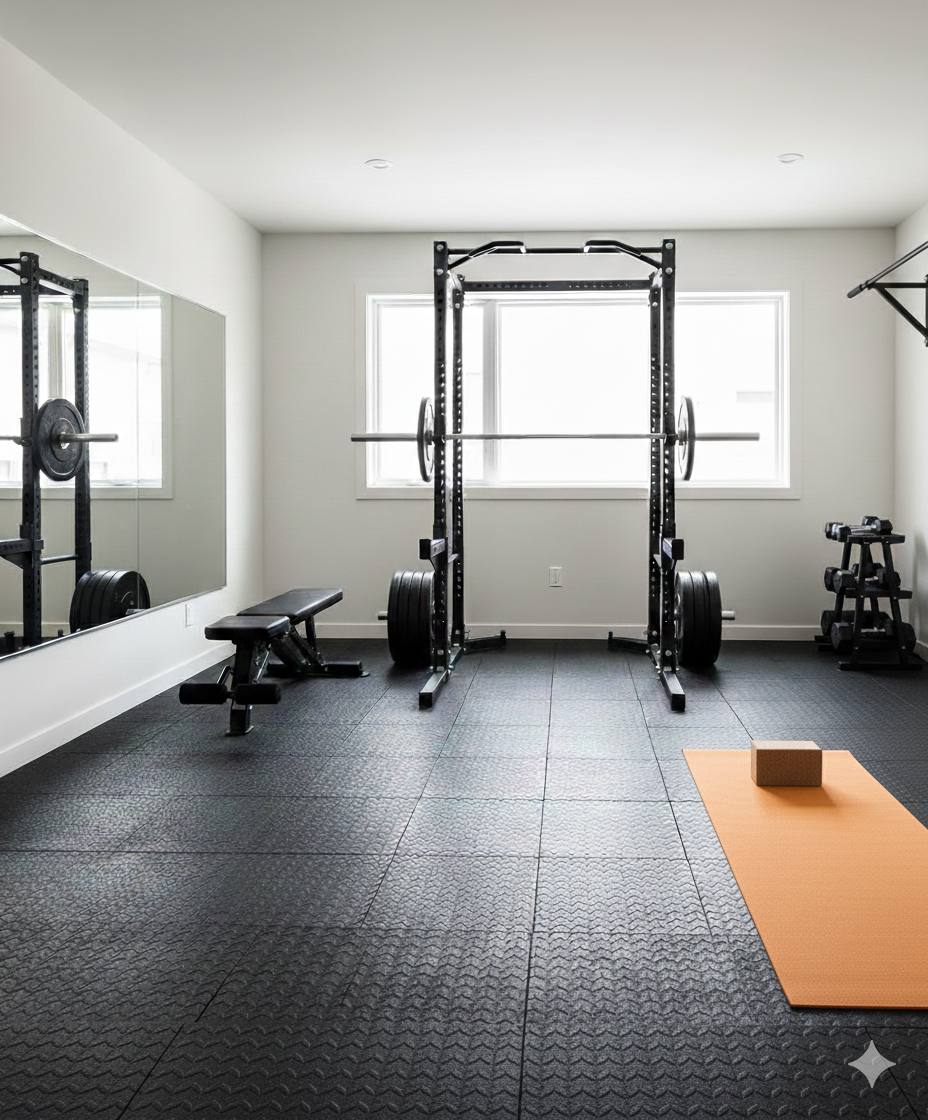
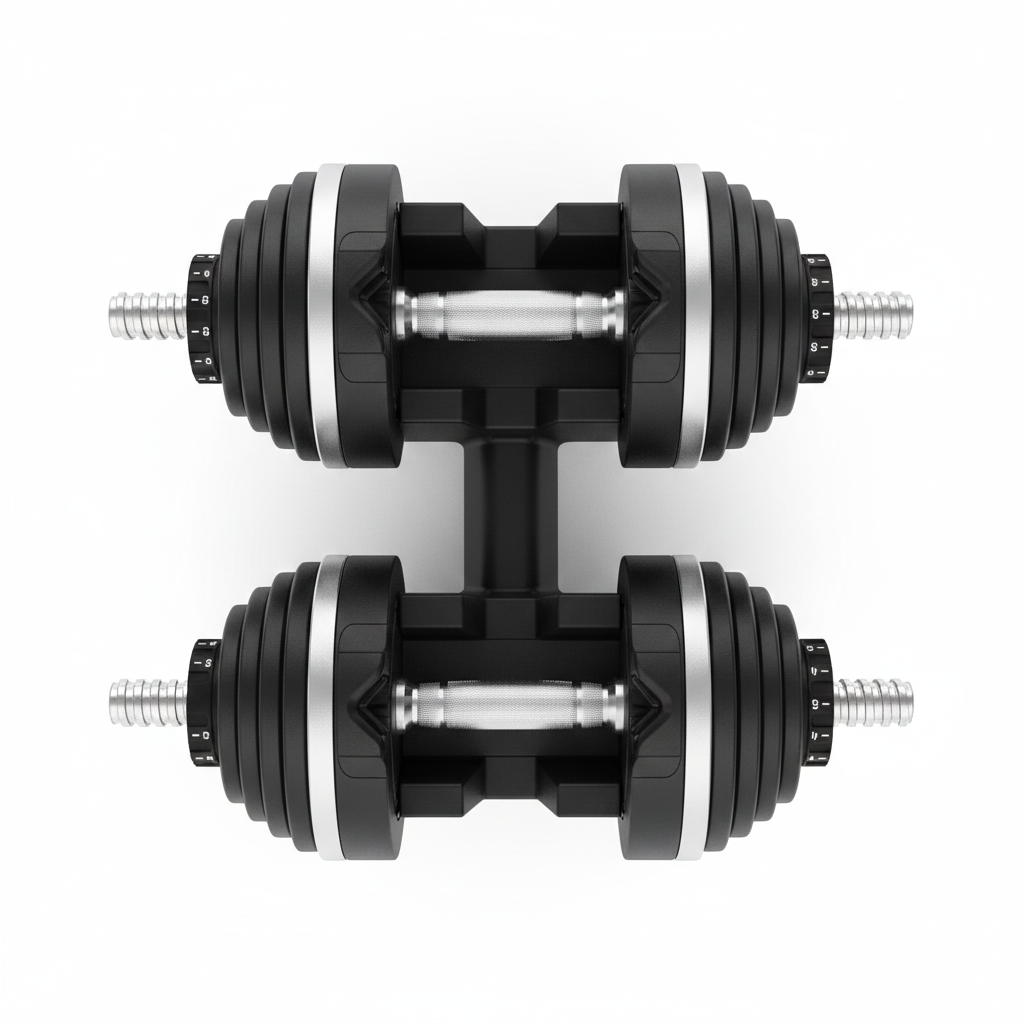
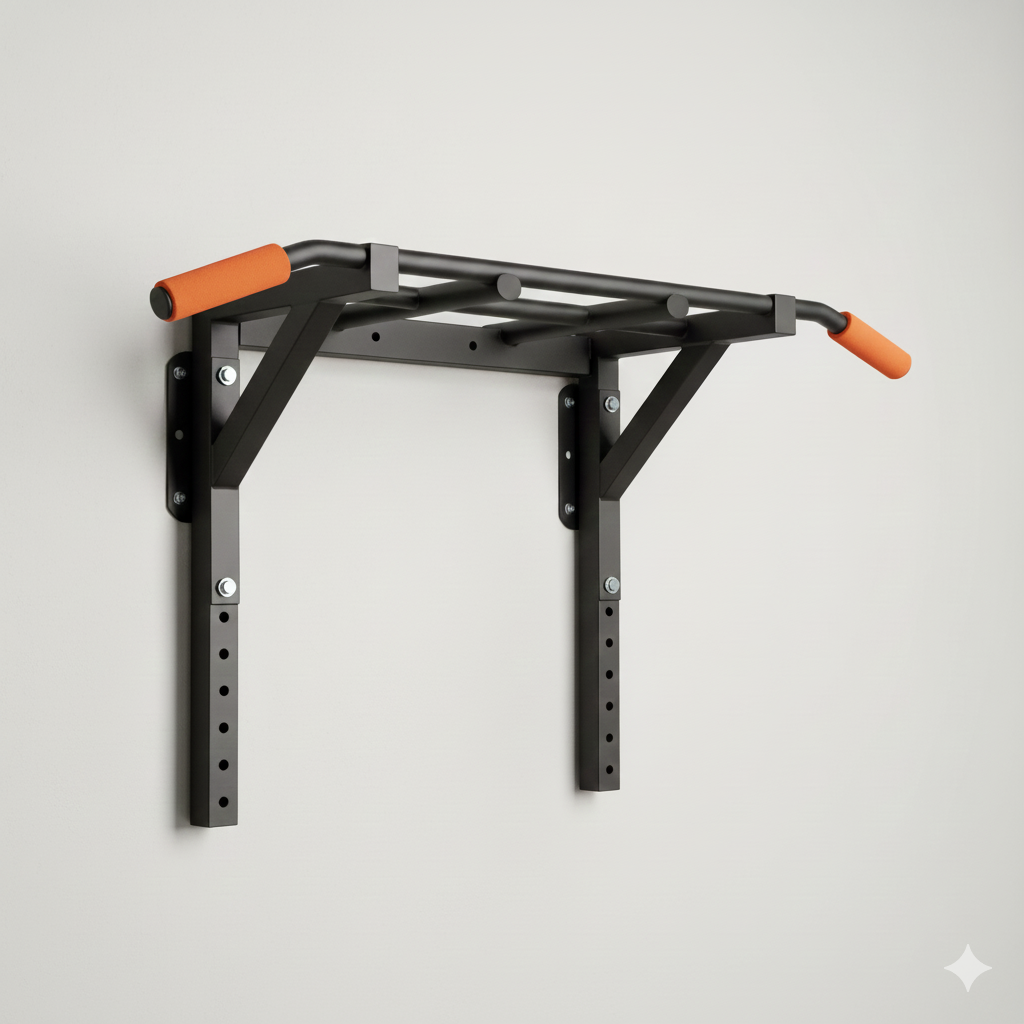
Find Your Perfect Equipment
Expert guides for racks, barbells, plates, benches, and more. Build your home gym the right way.
Browse All Guides