Best Treadmills 2026

Thirty years of training at home. Built multiple home gyms from bare garages to proper setups. I know what equipment lasts, what breaks, and what becomes an expensive clothes rack.
Just so you know, some links on this page are affiliate links. If you buy something via them, we get a small kickback. You don't pay more, but it helps toward the next bit of kit.
Looking for more equipment recommendations?
Browse All GuidesA treadmill is the most popular piece of home cardio equipment in the US, and also the most commonly abandoned. The difference between a treadmill that gets used and one that becomes a clothes rack usually comes down to whether you picked the right machine for how you actually train.
Quick Picks
| Category | Top Pick | Best For |
|---|---|---|
| Budget | NordicTrack T Series 6.5 | Smart features without premium cost |
| Mid-range | ProForm Pro 2000 | Decline training, HD touchscreen |
| Premium | NordicTrack Commercial 1750 | Serious home runners, best-in-class |
Prices shown are approximate at time of review. Click to check current pricing.
Who a Treadmill Makes Sense For
Running is simple. A treadmill makes it weather-independent and measurable. But they're not the right choice for everyone.
Good fit: - You run regularly and want a consistent indoor option for winter or bad weather - You walk for daily health and want year-round access - You use incline walking as your primary cardio (the 12-3-30 method is popular for good reason) - You prefer running over other cardio options
Consider alternatives: - You want intense cardio but hate running - a rower burns more calories per minute and you'll use it more - You live in an apartment with neighbors below - treadmill impact transmits through floors. Bikes and rowers are quieter. - Your budget is under $500 - cheap treadmills fail quickly under regular use
Budget Option: NordicTrack T Series 6.5
The NordicTrack T Series 6.5 brings smart treadmill features to a price point that was impossible a few years ago. *(Price when reviewed: roughly $649 | Check Price on Amazon)*
Key specs: - Motor: 2.6 CHP - Max speed: 10 mph - Incline: 0-10% - SpaceSaver fold - iFIT compatible (30-day trial included)
The SpaceSaver fold is genuinely useful - the deck locks upright for storage, taking up about as much floor space as a dining chair. The 2.6 CHP motor handles walking through jogging without complaint.
The iFIT question: NordicTrack's trainer-led sessions automatically adjust the treadmill's incline and speed to match the workout. Engaging if you use them. Irrelevant if you prefer running to your own playlist. The treadmill works fine without a subscription after the trial.
Mid-Range: ProForm Pro 2000
The ProForm Pro 2000 is the standout mid-range pick for one specific reason: decline capability. *(Price when reviewed: around $1,099 | Check Price on Amazon)*
Key specs: - Motor: 3.25 CHP - Max speed: 12 mph - Incline: -3% to +12% - Belt width: 20" (51cm) - Screen: 10-inch HD touchscreen - SpaceSaver fold
Most treadmills only go from flat to incline. The Pro 2000 adds -3% decline - downhill running intervals, easier transition from trail running, more training variety. At this price, no other machine has it.
The 3.25 CHP motor is a genuine continuous rating - handles sustained running without the motor straining. The 10-inch touchscreen is responsive. iFIT integration auto-adjusts incline and speed during trainer-led sessions.
Premium: NordicTrack Commercial 1750
The NordicTrack Commercial 1750 is what serious home runners buy when they want commercial-grade capability without a commercial-grade price. *(Price when reviewed: approximately $1,799 | Check Price on Amazon)*
Key specs: - Motor: 3.5 CHP continuous - Max speed: 15 mph - Incline: -3% to +15% - Belt width: 60cm (22 inches) - Screen: 14-inch HD touchscreen - AutoAdjust with iFIT: speed and incline change automatically with trainer sessions
The 60cm belt width is what commercial gym treadmills use. If you've ever felt cramped on a home treadmill during faster running, this solves it. The 15 mph top speed is more than most home users will ever need, but the headroom matters for motor longevity - running at 8-9 mph on a 15 mph motor is easier on the machine than running at the same speed on a 10 mph motor.
The 14-inch touchscreen and AutoAdjust iFIT integration are class-leading. The screen responds faster, the coaching sessions adjust incline/speed more fluidly, and the overall experience is noticeably better than budget smart treadmills.
Full Comparison
| Model | Belt Width | Max Speed | Incline/Decline | Motor | Screen |
|---|---|---|---|---|---|
| NordicTrack T 6.5S | 50cm | 10 mph | 0-10% / none | 2.6 CHP | Basic |
| ProForm Pro 2000 | 51cm | 12 mph | -3% to +12% | 3.25 CHP | 10" HD |
| NordicTrack Commercial 1750 | 60cm | 15 mph | -3% to +15% | 3.5 CHP | 14" HD |
The Specs That Actually Matter
Motor: CHP is the Real Number
Look for CHP (Continuous Horsepower), not peak HP. Budget brands list peak figures that sound impressive but don't reflect sustained performance. A "3.5HP" budget motor might only be 1.5 CHP continuously. The recommended models above all list real CHP.
Rule of thumb: 2.0 CHP minimum for jogging. 2.5+ CHP for regular running. 3.0+ CHP for daily intense training.
Incline vs Decline
Most training uses 0-5% incline. 10-15% is for dedicated hill intervals. Decline (-3%) is a nice feature for variety and downhill running practice, but not essential. The ProForm Pro 2000 and NordicTrack 1750 both offer it at these price points.
Belt Width: 20" is the Minimum for Running
20 inches (51cm): fine for most runners. 22 inches (56cm): more comfortable for taller runners and faster paces. 22+ inches: what you'll find on commercial machines.
If you're under 5'10" and run at a moderate pace, 20" is plenty. If you're taller or push the pace, the extra width matters.
Space and Storage
These treadmills are substantial pieces of equipment.
| Model | In Use | Folded Height |
|---|---|---|
| NordicTrack T 6.5S | 70" x 34" | SpaceSaver fold, roughly 77" tall |
| ProForm Pro 2000 | 78" x 36" | SpaceSaver fold, roughly 62" tall |
| NordicTrack Commercial 1750 | 78" x 39" | SpaceSaver fold, stands upright |
A 10x10 foot room handles any of these. Measure your space with tape before ordering - including ceiling height if you're in a basement.
The Subscription Reality
All three machines come with a 30-day iFIT trial. After that: - iFIT costs $39/month (billed monthly) or $396/year - The treadmill works as a standard machine without subscription - Smart features (auto-incline adjustment, route running, trainer sessions) require subscription
Worth it if: You'll use trainer-led sessions 3+ times weekly. The motivation and variety are real. Not worth it if: You have your own programming or prefer running to music. Skip it and save the $39/month.
Best Pick by Budget
Around $650: NordicTrack T Series 6.5. Smart features, solid motor, SpaceSaver fold. Best value entry into smart treadmills.
Around $1,100: ProForm Pro 2000. The decline capability alone separates it from competitors at this price. Better motor, better screen, more training variety.
$1,500+: NordicTrack Commercial 1750. The best home treadmill in this price range. Wider belt, stronger motor, better screen, and auto-adjust that actually works well. If you're a serious runner, this is where to invest.
The NordicTrack T 6.5S for most people. The NordicTrack Commercial 1750 if you run seriously and want it to last a decade. Either way, the right treadmill is the one that suits how you actually train, not how you imagine you might train once you have it.
Common Treadmill Mistakes
Choosing belt width too narrow for your stride. 20 inches (51cm) is the minimum for jogging. Most people run with natural lateral drift -- feet don't land in a perfectly straight line. At 10 mph, the edge of a 20-inch belt becomes a real constraint for taller runners or anyone with a wider stance. If you're over 6 feet or run above 7-8 mph regularly, the 22-inch (56cm) belt on the Commercial 1750 matters.
Underestimating the space the machine actually occupies. A treadmill that's 78 inches long needs 78 inches of floor space plus 18-24 inches in front for safe emergency dismount. That's 8+ feet of total length with buffer space. Many people measure the treadmill dimensions and forget the buffer. Measure the full available space and plan accordingly.
Buying on subscription appeal rather than machine quality. The iFIT ecosystem is compelling in the showroom. But the machine needs to work as a treadmill even if you cancel the subscription after the free trial. Weak motors, narrow belts, and poor build quality don't get fixed by a good screen and coaching content. Evaluate the hardware first.
Buying below $500. Below $500, you're in the territory of walking pads and entry-level machines with continuous HP ratings under 2.0. These handle walking and very light jogging. Under sustained running -- 5+ miles per week at 6-9 mph -- they wear out faster. The NordicTrack T Series 6.5 is the realistic minimum for a running machine that holds up.
Maintenance to Make It Last
Treadmills require minimal maintenance to last a decade. Most people skip it and wonder why machines fail.
Lubrication: The area under the running belt needs lubrication every 3-6 months. Silicone spray or liquid silicone oil (not WD-40, which damages rubber) applied under the belt prevents friction heat that wears the belt and deck. Takes 5 minutes.
Belt tension: Loose belts slip during acceleration. Over-tight belts strain the motor. The correct tension lets you lift the belt 2-3 inches at the center. Adjust the rear roller bolts by equal amounts on each side.
Belt replacement: Running belts wear out over time. Signs of needed replacement: belt slipping, excessive motor noise during use, visible fraying at edges. A quality replacement belt for most home treadmills costs $80-120 and takes an hour to replace yourself.
Placement: Treadmills need airflow around the motor. Don't push the machine flush against a wall. Leave 6-12 inches on the motor end for ventilation.
Frequently Asked Questions
How long should a home treadmill last?
With proper lubrication and care: entry-level machines (under $700) last 5-7 years with regular use. Mid-range ($700-1,200) last 7-12 years. Premium machines from Sole, Life Fitness, or commercial-grade NordicTrack models regularly last 15+ years. Motor warranty is the best indicator of manufacturer confidence: 2-year motor warranty suggests 5-7 year useful life, 5-year motor warranty suggests 10+ year useful life.
Is a treadmill or rowing machine better for cardio at home?
For pure calorie burn and full-body conditioning, rowing wins -- it engages twice the muscle mass for the same perceived effort. For people who run regularly and want to continue regardless of weather, the treadmill is irreplaceable. For people who just want effective cardio and don't have a strong preference, the rower typically gets used more consistently because the full-body workout is more engaging than running in place.
For the rowing machine vs bike comparison, see the rowing machine vs bike guide US.
Can you use a treadmill if you live in an apartment?
Yes, with caveats. Running impact transmits through floors and is difficult to suppress completely. A 20mm rubber mat reduces transmitted vibration. Running at lower speeds (below 6 mph) generates less impact than running fast. If you have downstairs neighbors with thin ceilings, consider whether an exercise bike (near-silent) might be a better fit.
What incline setting should you use?
1-2% incline replicates outdoor running -- the slight grade compensates for the absence of wind resistance. This is the default setting most coaches recommend for indoor running. Higher inclines (6-15%) are for dedicated hill work intervals. The 12-3-30 protocol (12% incline, 3 mph, 30 minutes) is a popular walking workout that burns significant calories without running.
Do I need iFIT?
No. The treadmills work as standard machines without any subscription. Speed, incline, and all hardware functions operate independently. iFIT adds trainer-led sessions, automatically adjusting incline/speed during workouts, and a large library of guided runs. Worth it if you'd use those features 3+ times weekly. Not worth it if you prefer running to your own music or programming.
What's the best treadmill for serious runners?
For home runners logging 20-30+ miles per week, the NordicTrack Commercial 1750 is the right answer in its price range. The 3.5 CHP continuous motor handles sustained running without strain. The 60cm belt width accommodates longer strides comfortably. The -3% to +15% incline range covers all workout types. For commercial-grade quality at commercial-grade prices, Life Fitness and Precor make machines that last longer and feel better -- but cost $3,000-6,000.
Motor Types and What They Mean
DC motors (most home treadmills) are quieter at walking and jogging speeds but work harder at high speeds. Rated in continuous horsepower (CHP): 2.0 CHP minimum for walking, 2.5 CHP for jogging, 3.0+ CHP for running. The higher the CHP, the less the motor strains and the longer it lasts.
AC motors (commercial and high-end home models) are louder but more durable. They handle sustained high-speed use without overheating. If you run at 8+ mph regularly, an AC motor treadmill justifies the higher price.
Incline Walking: The Underrated Alternative
Incline walking at 12-15% grade burns comparable calories to running at 5mph with roughly 60% less impact force. For anyone with joint issues, apartment noise concerns, or returning from injury, incline walking delivers cardiovascular benefits without the downsides of running.
Buying a Treadmill: What to Test
If possible, test before buying. Dick's Sporting Goods, Best Buy, and specialty fitness retailers display selected models.
Test at your running speed for at least two minutes. Walking tells you nothing useful. Listen for motor strain, feel for belt slip, check lateral stability.
Motor noise is impossible to judge from reviews. Subjective descriptions like quiet vary wildly between reviewers. Two minutes on the machine tells you everything.
Running Surface and Joint Impact
The running surface is the most overlooked treadmill spec. Cheap treadmills use thin, hard decks that transmit every footfall straight through your knees. Better treadmills use cushioned decks that absorb 15-30% of impact force compared to road running.
Deck thickness determines durability. A 1-inch deck lasts 3-5 years of regular use. A 0.75-inch deck develops soft spots within two years, especially in the landing zone. Replacement decks cost around $100-150 and require professional fitting.
Belt width: 18 inches is minimum for walking, 20 inches minimum for running, 22 inches is comfortable. Anything narrower than 20 inches and you clip the edge rails during natural arm swing at higher speeds.
Noise and Apartment Living
Motor noise varies from a low hum (DC motors in premium models like NordicTrack) to a whine (cheaper motors at high speed).
Impact noise is the bigger problem. A 170-pound runner at 6.5mph produces roughly 300 footfalls per minute, each generating 2-3 times body weight in force. In an apartment with wooden floors, the person downstairs hears every step.
Solutions: A treadmill isolation mat (around $30-50) reduces vibration transmission by 30-40%. Incline walking at 12-15% grade burns similar calories to running at 5mph with 60% less impact noise because walking forces are much lower than running forces.
Maintenance That Doubles Treadmill Life
Belt lubrication is the most important task. The running belt slides over the deck on silicone lubricant. When it dries out, friction increases, the motor works harder, and the belt wears faster. Lubricate every 3-6 months: lift the belt edge, apply silicone (around $8 per bottle, lasts a year), run at low speed for two minutes.
Belt alignment drifts over time. If the belt tracks to one side, adjust the rear roller bolts a quarter turn at a time. Every manual explains this with diagrams.
What to Avoid
Budget treadmills below $500. Treadmills are mechanically complex: they have motors, belts, decks, and electronic consoles, all of which wear out. Below $500, every one of these components uses lower-grade materials. Belt thickness is inadequate for sustained running (walking is fine). Motor ratings are often "peak" horsepower rather than continuous, which means the motor is rated at a load it cannot sustain. At $500-700, the NordicTrack T7.5S and ProForm Carbon T10 sit at the minimum viable price point for actual running. Below that, buy a used machine from a known brand or wait.
Treadmills with incline but no decline. Incline training is useful and available on nearly every treadmill. Decline training, which is specifically useful for quad and anterior chain recovery work, is available only on higher-end NordicTrack and ProForm models. If decline is important to your training, verify it is included before purchasing. Many listings advertise "incline and decline" but only offer 0% to +15% -- no negative incline.
Treadmills without a folding deck if space is a constraint. A non-folding treadmill is a permanent fixture. A treadmill with a folding deck stores against a wall at roughly 18-inch depth when folded. If your setup requires the floor space when not training, verify the fold mechanism before buying. Most mid-range treadmills fold. The mechanism should latch securely and lower smoothly; cheap fold latches that bang down when released indicate poor build quality.
Purchasing before establishing a running habit. The most expensive treadmill mistake is buying before knowing you will use it. A $1,200 treadmill that becomes a $1,200 clothes rack is the most common outcome for buyers who have not run consistently before. If you do not currently run, start with a gym treadmill for 30 days. If you run consistently and genuinely need the home option, then buy. The machine does not create the habit.
The Decision
The NordicTrack T Series 6.5 for budget-conscious buyers who want smart features and solid performance. The ProForm Pro 2000 for anyone who wants decline capability at the best price in the market. The NordicTrack Commercial 1750 for serious runners who want a machine that earns its floor space for the next decade.
Buy the machine that matches how you actually run -- not how you plan to run. The treadmill that fits your current training and your current budget, used consistently, beats the premium machine that sits at max incline because you oversold yourself on aspirational workouts.
Running is simple. Pick a machine that stays out of the way and lets you do it. The treadmill that gets used consistently, at whatever speed and incline suits your training level, is the right one. Do not overthink the choice. Buy it and run.
What You'll Need With It

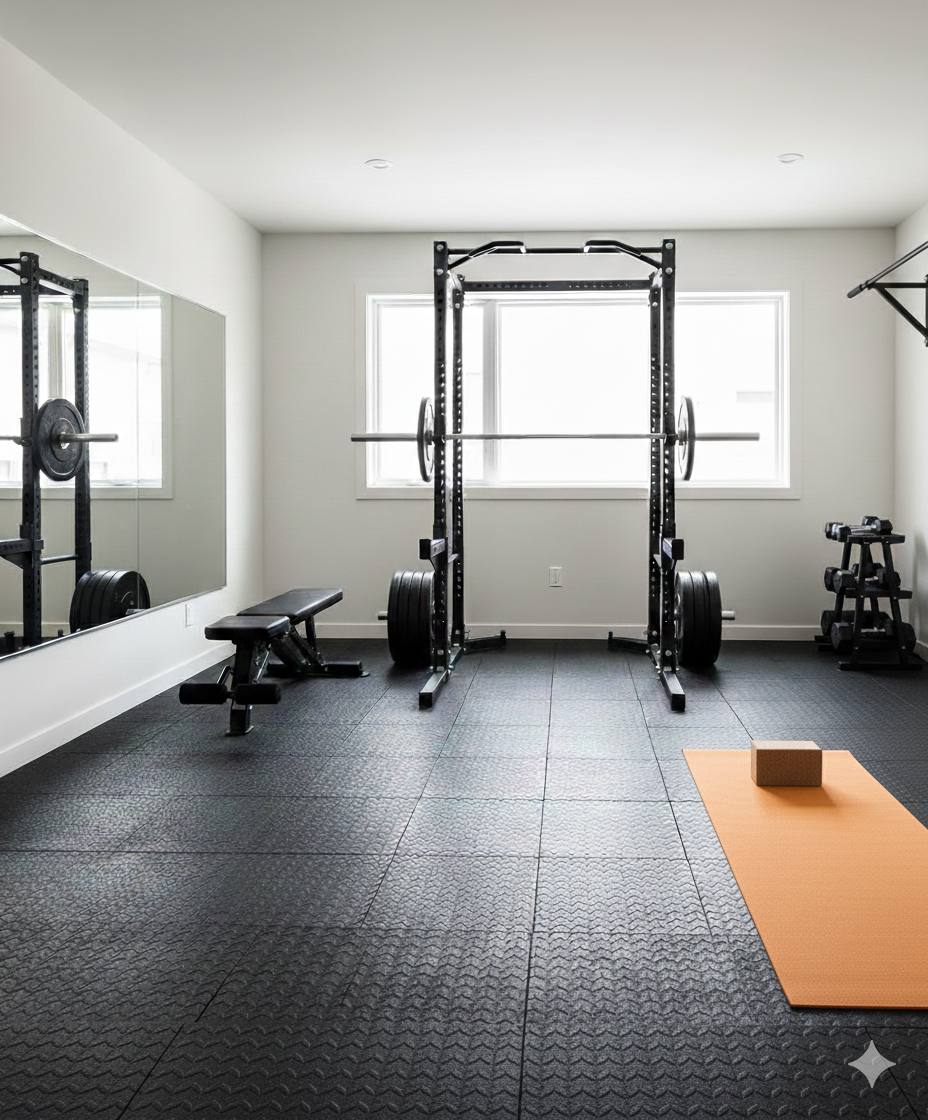
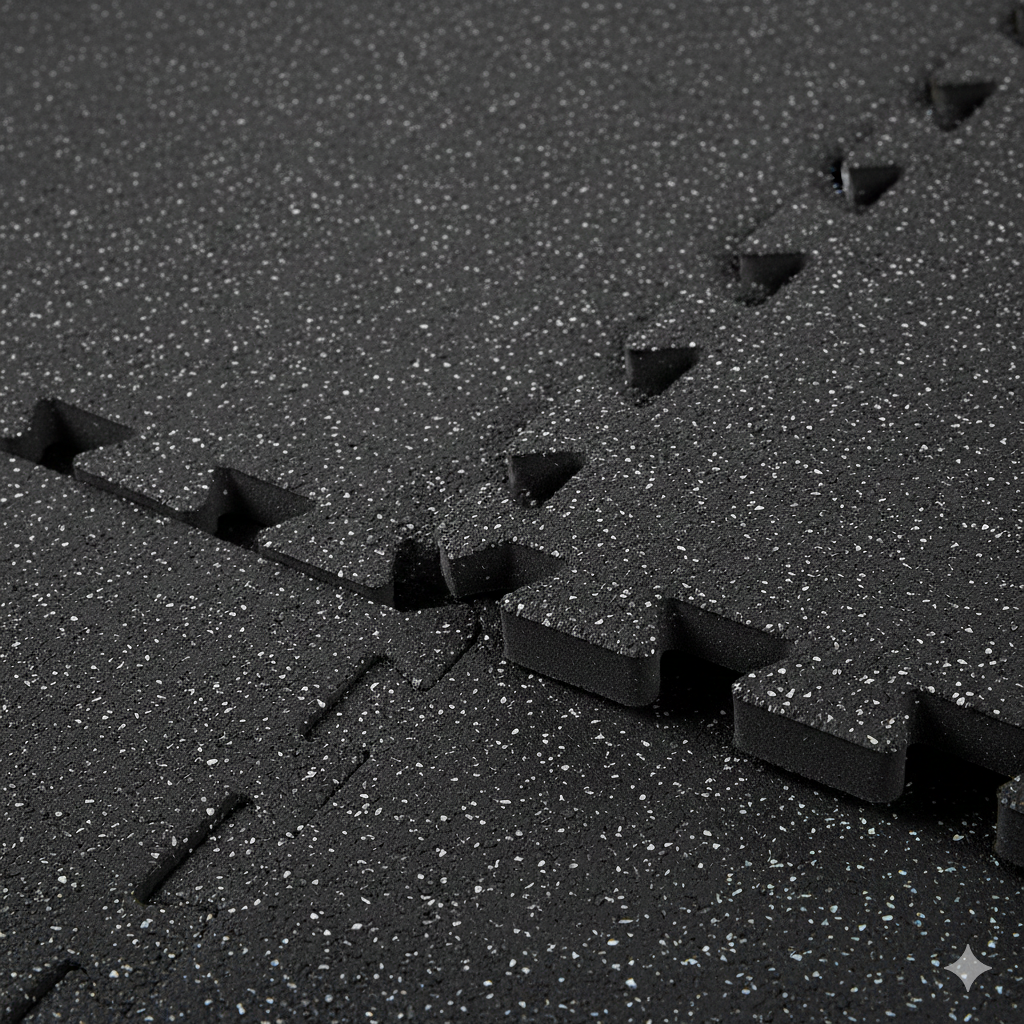
Commercial-grade rubber tiles with EPDM top layer and shock-absorbing pattern. Can handle dropped weights safely. The choice for serious home gyms with Olympic lifting.
As an Amazon Associate, we earn from qualifying purchases.
Products Mentioned in This Guide
Frequently Asked Questions
Related Guides
Find Your Perfect Equipment
Expert guides for racks, barbells, plates, benches, and more. Build your home gym the right way.
Browse All Guides