Best Rowing Machines 2026

Thirty years of training at home. Built multiple home gyms from bare garages to proper setups. I know what equipment lasts, what breaks, and what becomes an expensive clothes rack.
Just so you know, some links on this page are affiliate links. If you buy something via them, we get a small kickback. You don't pay more, but it helps toward the next bit of kit.
Looking for more equipment recommendations?
Browse All GuidesA rowing machine is the most complete cardio equipment available for a home gym. Every stroke engages your legs, back, core, and arms simultaneously - a full-body demand that a treadmill, bike, or elliptical simply doesn't match. And it does this without the impact that makes running unsustainable for a lot of people over time.
The case for a rower is straightforward. One machine, minimal floor space when stored, zero impact on joints, and training intensity you can scale from easy recovery work to sessions that will genuinely test you. The question isn't whether a rower is worth it. The question is which one.
Here's what's actually worth buying at each price point.
Quick Picks
| Model | Type | Best For | |
|---|---|---|---|
| Concept2 RowErg | Air | Best overall - gym standard worldwide | Check Price on Amazon |
| Sunny Health SF-RW5515 | Magnetic | Budget entry, quiet, apartment-friendly | Check Price on Amazon |
| Merach Magnetic Rower | Magnetic | Mid-budget, 15 resistance levels | Check Price on Amazon |
| Hydrow Wave | Electromagnetic | Interactive classes, living room quality | Check Price on Amazon |
Prices shown are approximate at time of review. Click "Check Price on Amazon" for current pricing.
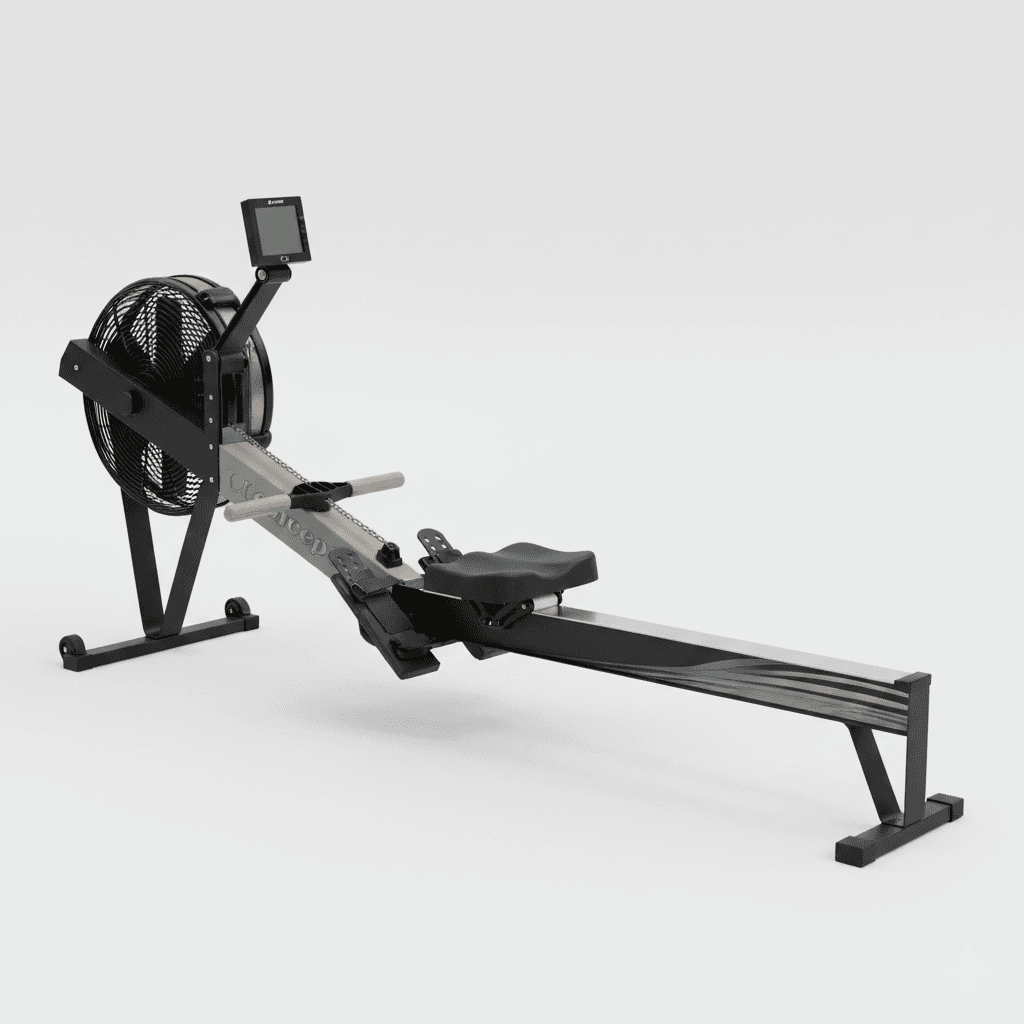
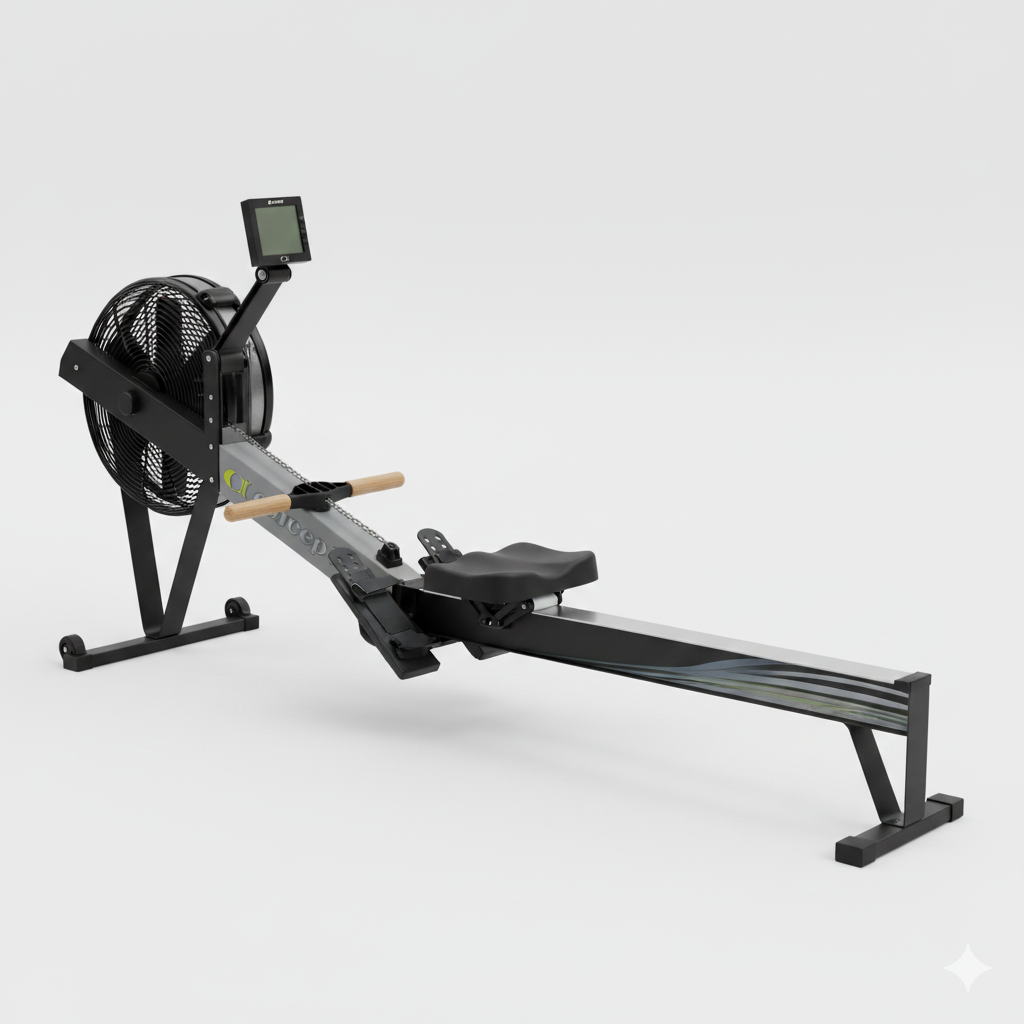
Best Overall: Concept2 RowErg (around $1,100)
The Concept2 RowErg is what every serious gym uses. Every CrossFit box. Every Olympic training center. Every university rowing program. Ask on r/homegym what rower to buy and you'll read the same answer every single time. *(Price when reviewed: approximately $1,100 | Check Price on Amazon)*
The air flywheel is what makes it different. Row harder, resistance increases automatically. Back off, it decreases. That dynamic resistance feels natural in a way that preset magnetic levels don't - it responds to you rather than the other way around.
The PM5 monitor is the best performance display on any home cardio equipment: splits, watts, pace, distance, calories, stroke rate, all live. It connects to Concept2's worldwide rankings, ErgData app, and virtually every rowing training platform. If you want to follow structured training plans or compare your performance to real data, the PM5 makes that possible.
Build quality in practice: parts are cheap, widely available, and easy to replace yourself. Concept2s from the early 2000s are still in daily use. The failure rate is low enough that buying a used one confidently is possible - a 15-year-old RowErg in good condition is a better purchase than a $400 new machine.
What makes it worth the money: - Dynamic air resistance scales naturally with your output - PM5 monitor: best data display in the category - Worldwide rankings and training app ecosystem - Folds and separates into two pieces for storage - Parts available, simple to service yourself - Proven longevity - 15+ year lifespans are routine
The honest tradeoffs: - Around $1,100 is a real investment - Air flywheel is louder than magnetic alternatives, not for 5am apartment use - No built-in screen or streaming classes - The classic aesthetic is basic; this is a machine, not furniture
If budget allows: the Concept2 is simply the correct answer. If the no-screen tradeoff gives you pause, I've weighed it directly against NordicTrack's big-screen flagship in my Concept2 RowErg vs NordicTrack RW900 comparison.
Best Budget: Sunny Health & Fitness SF-RW5515 (roughly $200)
The Sunny Health SF-RW5515 is the entry point if you want to start rowing without a four-figure outlay. *(Price when reviewed: around $200 | Check Price on Amazon)*
Magnetic resistance means near-silence - this is the apartment rower, the 5am-before-work rower. It won't wake anyone up. Eight resistance levels cover beginner through moderate intensity work. Basic LCD display shows time, count, calories, and total count.
The practical limitations are real: the resistance is preset rather than dynamic, so you're selecting a level rather than letting output drive the feel. The slide rail is shorter than the Concept2, which can affect stroke length for taller users. Build quality is entry-level.
What makes it worth the money: - Near-silent magnetic resistance - Folds for storage, lighter for moving - Gets you rowing consistently for a third of the Concept2 price - Start here if you're uncertain whether rowing will become a habit
The honest tradeoffs: - Preset resistance levels don't scale dynamically with your effort - Shorter rail limits stroke length for users over 6' - Basic monitor with limited data - Build quality reflects the price point
The right machine for apartments, beginners, or anyone building a rowing habit before committing more money.
Mid-Budget: Merach Magnetic Rower (approximately $290)
The Merach Magnetic Rowing Machine sits between the Sunny and the Concept2: more resistance levels, better build, still silent. *(Price when reviewed: roughly $290 | Check Price on Amazon)*
Fifteen resistance levels give more training range than the Sunny's eight. The frame is heavier and more stable. Bluetooth connectivity allows app integration. For quiet residential rowing with more progression range, this is the upgrade from the Sunny that makes sense before you're ready to commit to the Concept2.
What makes it worth the money: - 15 resistance levels - more progression range than budget alternatives - Near-silent: apartments, shared houses, early mornings - Folds for storage, around 55 lb total weight - Bluetooth for app connectivity
The honest tradeoffs: - Still preset resistance - doesn't scale dynamically with your effort - Not the same workout feel as air resistance - Short stroke compared to full-length rowers - Upgrade path leads to the Concept2 when you outgrow it
Premium Pick: Hydrow Wave (around $1,500)
The Hydrow Wave is a fundamentally different purchase than the Concept2. *(Price when reviewed: approximately $1,500 + roughly $38/month subscription | Check Price on Amazon)*
The electromagnetic drag technology delivers smooth, quiet resistance. The 16" HD touchscreen runs live and recorded rowing classes with instructors. The form factor is designed for living rooms - it looks more like a piece of furniture than a piece of gym equipment.
For people who want guided classes and don't want gym equipment dominating their living space, the Hydrow delivers. The rowing feel is good - quieter and smoother than the Concept2, if less dynamically responsive.
The catch: the subscription is required for full functionality. Without it, you have a very expensive machine with a locked screen. At $38/month that's $456/year on top of the hardware cost.
What makes it worth the money: - Live and recorded classes with good instruction - Quiet electromagnetic resistance - apartment and living room friendly - Premium aesthetics - genuinely looks good in a living room - Good rowing form guides integrated into the platform
The honest tradeoffs: - $38/month subscription required for class access - factor this into the real cost - Screen content is locked without the subscription - For pure performance training, the Concept2 PM5 data is more useful - Hydrow's monthly cost adds up to $456/year indefinitely
The Concept2 Community Effect
Rowing Workout Programmes
The 2,000-metre test is the standard rowing benchmark. Pull a comfortable 2k on your first session and record the time. Re-test monthly. Most recreational rowers improve from a 9-10 minute first attempt to sub-8 minutes within 6 months. The Concept2 online logbook ranks times globally by age, weight, and gender.
Steady state at 18-22 strokes per minute for 30 minutes, three times per week, builds the aerobic foundation. Keep the effort conversational. This is where 80% of fitness gains come from.
Air vs Magnetic vs Water vs Electromagnetic
Understanding the resistance type makes the decision clearer:
Air resistance (Concept2) The flywheel spins in air. Harder effort = more air drag = more resistance, automatically. This dynamic response is what makes rowing feel athletic and natural. Drawback: it's louder. Not apartment-quiet.
Magnetic resistance (Sunny, Merach) A magnetic brake applies resistance at preset levels. Silent. Consistent. The resistance doesn't scale with your effort - you pick a level and it stays there regardless of how hard you pull. Less natural feel, but genuinely silent operation.
Electromagnetic resistance (Hydrow) Computer-controlled magnetic resistance that can be adjusted dynamically through software. Quieter than air, more natural than basic magnetic. The premium option in the silent category.
Water resistance (WaterRower, etc.) A paddle in a water tank creates resistance that scales somewhat with effort, similar to air. Beautiful aesthetic, sounds like water, feels different from both air and magnetic. Needs periodic algae tablets in the tank, and the resistance feel is less consistent than air rowers. More of a lifestyle product than a pure performance tool.
Bottom line: - Pure performance, don't care about noise: Concept2 air - Apartment or noise-sensitive: magnetic (Sunny, Merach) or electromagnetic (Hydrow) - Guided classes matter: Hydrow - Beautiful furniture that also rows: water rower
How to Row Correctly (The Part Most People Skip)
A rowing machine is the piece of cardio equipment with the most technique required. Poor form makes rowing feel hard in the wrong ways - lower back strain, arm fatigue before legs, and reduces efficiency dramatically.
The stroke has four phases:
1. The Catch - Start compressed: shins vertical, arms straight, body leaning slightly forward from the hips. This is the starting position, not a relaxed slump.
2. The Drive - Push with your legs first. Legs fully extend before you begin to open your back (lean back slightly). Only then do you pull with your arms, drawing the handle to your lower ribs.
3. The Finish - Body slightly past vertical, arms pulled in, handle at lower ribs. Legs are flat.
4. The Recovery - Reverse the sequence: arms extend first, then body leans forward, then you slide back to the catch. The recovery should take about twice as long as the drive.
The biggest mistake: pulling with arms before legs have driven. Arms are the weakest link. Use them last, at the end of a leg drive that does most of the work.
For beginners: row at 18-20 strokes per minute for the first few sessions. Focus on sequence, not intensity. Speed comes from power per stroke, not stroke rate.
Space and Storage
Rowers are longer than people expect: typically 7-8 feet unfolded. Measure your available floor space including a turning radius before ordering.
Concept2 RowErg: separates into two pieces at the monorail joint. Each piece fits in a wardrobe or closet. Alternatively, stands upright on its end at about 4' x 2'.
Sunny/Merach magnetic rowers: fold at the center, stand vertically. More compact when stored, easier to move.
Hydrow Wave: does not fold - needs permanent floor space. The trade-off for the premium build.
Rower vs Other Cardio Equipment
| Equipment | Muscles | Impact | Noise | Space (stored) |
|---|---|---|---|---|
| Rowing machine | Full body | Zero | Low-high | Medium |
| Treadmill | Lower body | High | Medium | Large |
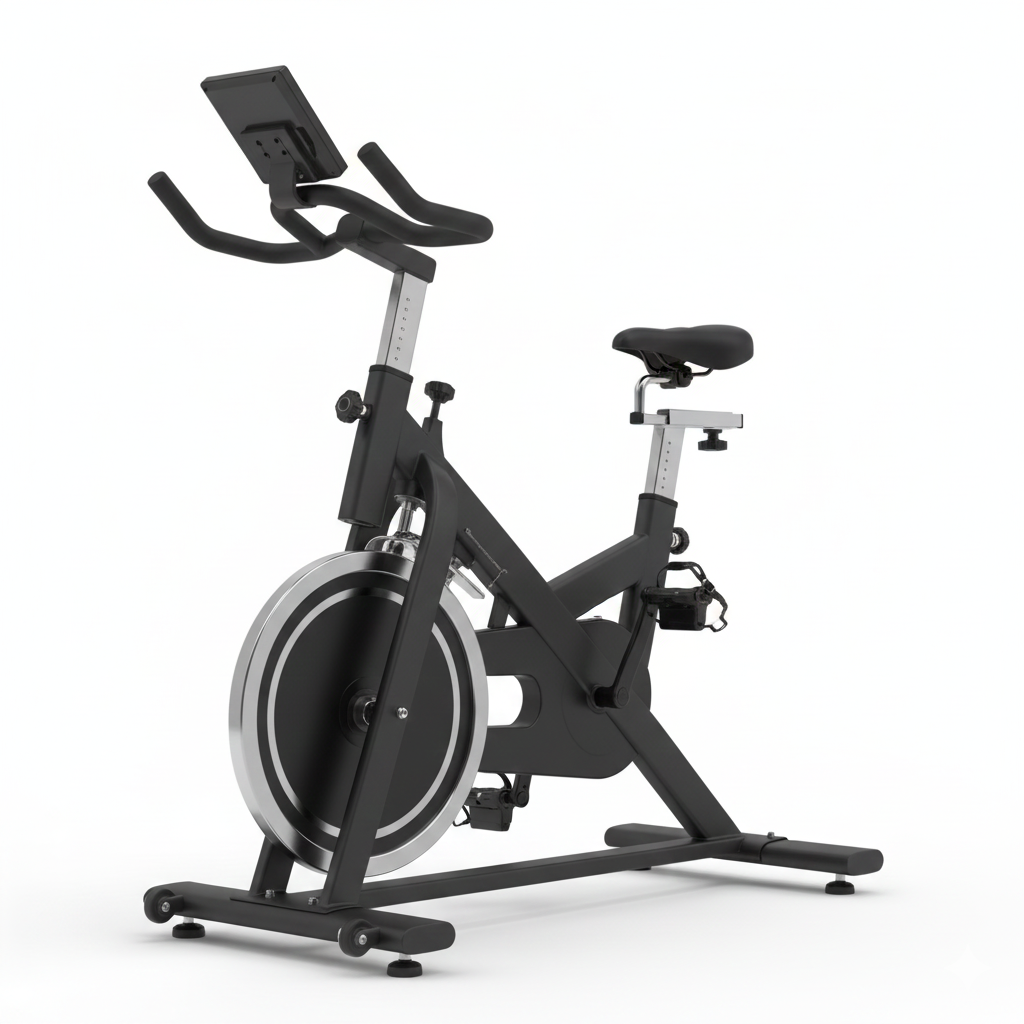
| Exercise bike | Lower body + core | Zero | Low | Medium |
| Elliptical | Full body | Low | Low | Large |
For overall fitness impact per square foot of floor space, a rower is hard to beat. The full-body demand means shorter sessions deliver comparable conditioning to longer treadmill or bike sessions.
Frequently Asked Questions
Is rowing good for weight loss? Yes, effectively. Full-body engagement burns more calories per session than most cardio equipment at the same time. Combined with a caloric deficit, rowing is one of the most efficient cardio tools available.
How long should a rowing session be? For beginners: 10-15 minutes is enough to start. For general fitness: 20-30 minutes, 3-4 times per week. For serious conditioning: interval-based programs with varying intensity. Longer is not always better - quality and consistency matter more.
Is rowing hard on your back? With correct form, no - rowing is a posterior chain exercise that actually strengthens the back. With poor form (hunched back, pulling with arms first, over-reaching at the catch), yes. See the technique section above before your first session.
Can beginners use a rowing machine? Yes, but technique matters more than on most cardio equipment. Spend 15 minutes learning the four phases of the stroke before your first real session. The learning curve is real but short.
Concept2 Model D vs Model E - what's the difference? The Model E has a higher seat (20" vs 14") which some people find easier to get on and off, and a slightly different frame. Training performance is identical. The Model D (B00NH9WEUA) is the more common model and the one used in competition.
Should I buy used? For the Concept2: yes, with confidence. They last decades with minimal maintenance. A used Concept2 in good condition from Facebook Marketplace or Craigslist is often a better purchase than a new lower-tier machine.
Air vs Magnetic vs Water: What Actually Matters
The resistance type changes how rowing feels more than any other specification.
Air resistance (Concept2 RowErg, around $990) scales automatically with effort. Pull harder, get more resistance. Row gently, get less. This is the standard in every rowing club, CrossFit gym, and Olympic training centre worldwide. The downside: air rowers are the loudest type, measuring 65-75 decibels at moderate intensity. Not ideal for apartments.
Magnetic resistance (Echelon Row-s, around $600) is smooth and near-silent. You set a resistance level and it stays constant regardless of stroke power. For noise-sensitive apartments and condos, magnetic is the clear choice. The trade-off: the feel is less natural than air because resistance does not respond to your effort.
Water resistance (WaterRower Natural, around $1,100) uses paddles in a water tank. Resistance scales with effort like air, but the feel is smoother with a distinctive swoosh sound. Water rowers look attractive and often serve as furniture in living spaces. The sound is considered pleasant. Downsides: higher cost, occasional water treatment needed (around $8/year), and narrower resistance range at extremes.
Hydraulic resistance (cheap rowers under $200) uses pistons that heat up and change resistance during use. Avoid these entirely.
Technique Matters More Than the Machine
Rowing technique determines whether a rower builds fitness or builds injury. The stroke sequence is legs-back-arms on the drive and arms-back-legs on the recovery.
The most common mistake: pulling with the arms first. Your legs generate 60% of the power. Starting the drive by pulling the handle is like doing a bicep curl instead of a deadlift. Push with the feet first, keep the arms straight until legs are nearly extended, lean back slightly, then pull the handle to lower ribs.
The second most common mistake: rushing the recovery. The slide back to the catch should take twice as long as the drive. Fast recovery means the seat slams into the front stops, your back rounds, and every stroke starts from a compromised position.
Learning proper technique takes two to three sessions of deliberate practice. Concept2 has free technique videos on their website. Ten minutes watching before your first row saves weeks of ingrained bad habits.
Storage Solutions
Rowers are long. The Concept2 RowErg is 96 inches assembled. In a dedicated gym space, this is fine. In a living room or bedroom, storage becomes critical.
The Concept2 separates into two pieces in under 30 seconds, each standing upright against a wall. Total storage footprint: roughly 2 by 2 feet. This is the gold standard for storage design.
What to Avoid
Water rowers at budget price points. Water rowers look appealing and the rowing feel is genuinely good on quality models. The problem is that budget water rowers, typically below $600, use plastic water tanks that crack under temperature changes and develop leaks within 18-24 months. The WaterRower at $1,100+ is a properly built machine. Anything claiming to replicate that experience at a fraction of the price is using materials that will not last. If water resistance is the priority, budget properly for it or choose a magnetic or air alternative.
Very cheap magnetic rowers below $250. Magnetic resistance rowers work on a flywheel and magnets, with no moving fluid. The mechanism is nearly silent and requires no maintenance, which makes it attractive for apartment use. Below $250, however, the flywheel mass is too light to provide a realistic rowing feel at higher resistance settings. The resistance range at the top end of cheap magnetic rowers often feels identical to mid-range settings, which means you plateau quickly. The Merax sits at the bottom of the price range where the flywheel mass is adequate.
Peloton Row at original retail price. The Peloton Row at $2,995-$3,495 requires a $44/month subscription to access any meaningful programming. The hardware is well-built, but the cost structure assumes you are buying into the subscription long-term. The Concept2 RowErg has no subscription requirement and is the standard for performance rowing worldwide. Unless the Peloton ecosystem is something you are already committed to, the cost comparison does not work in the Row's favour.
Folding rowers with thin frames for regular use. Folding magnetic rowers solve a genuine space problem, but the folding mechanism is typically the weakest structural point of the machine. Under daily or near-daily use, the joint where the seat rail folds develops wobble and creak within a year. Folding rowers work best for occasional use. If you plan to row three or more times per week, a non-folding model with a solid rail will last significantly longer.
FAQ
How long should I row per session? For cardiovascular fitness, 20-30 minutes at a pace where you can hold a conversation is a solid session. For weight loss and conditioning, 30-45 minutes works well. The Concept2 and Hydrow are commonly used for 20-minute interval sessions: hard intervals of 250-500 metres followed by rest periods. If you are new to rowing, start with 10-15 minutes and focus on technique. Bad rowing form over 30 minutes is worse than good rowing form over 15 minutes.
What is the correct rowing technique? The sequence is: legs push first, then lean back, then pull the handle to your lower chest. The recovery reverses it: arms extend first, then lean forward, then bend the knees. Most beginners do the opposite and use their arms before their legs, which is inefficient and causes back strain. If you are starting on a Concept2, the free online tutorials from Concept2 cover technique better than anything else available. Spend one session getting the sequence right before worrying about intensity.
Is rowing as effective as running for cardio? Rowing engages more muscle groups than running: upper back, arms, and core all work in addition to the legs. This makes it more calorie-intensive per minute for many people, and the zero-impact means it can be sustained longer without joint strain. For pure cardiovascular adaptation, both modalities work. The main advantage rowing has is that it is genuinely full-body and places essentially no impact stress on the joints.
How much space does a rowing machine take up? The Concept2 RowErg is 96 inches long when assembled, which is 8 feet. Most rowing machines are in the 80-100 inch range assembled. The Concept2 separates into two pieces for storage and can be stood on end vertically. The Merax folds. In a small home gym, plan for a 4 x 9 foot footprint during use, with a clear path for the sliding seat.
The Verdict
If you want a rower and budget isn't the constraint, the Concept2 RowErg is simply the right answer. It's the machine that professional athletes, Olympic training programs, and serious home gym builders all use for the same reason: it's the best. If the smooth water-resistance feel and a handcrafted wooden frame pull at you instead, my Concept2 RowErg vs WaterRower Club comparison settles whether the water rower is worth its premium.
Noise is a dealbreaker? The Merach or Sunny SF-RW5515 get you rowing silently while you decide. Want guided classes and don't mind the subscription? Hydrow Wave delivers a premium experience.
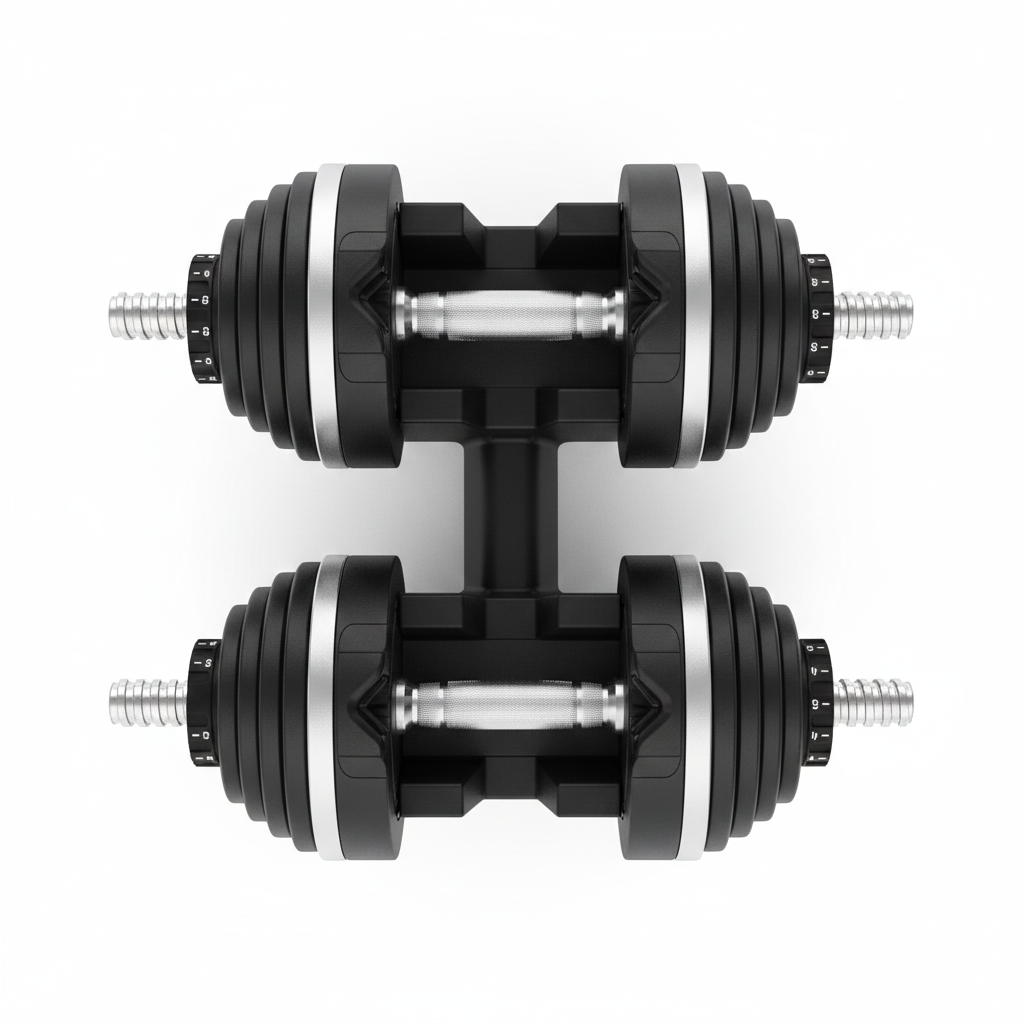
Get on one. Ten minutes of rowing - real rowing, with correct form - is one of those training experiences that immediately makes sense. Pair it with adjustable dumbbells and a bench, and you have a complete home gym that covers every training need without another piece of equipment.
As an Amazon Associate, we earn from qualifying purchases.
Products Mentioned in This Guide
Frequently Asked Questions
Related Guides
Find Your Perfect Equipment
Expert guides for racks, barbells, plates, benches, and more. Build your home gym the right way.
Browse All Guides