Best Pull Up Bars 2026

Thirty years of training at home. Built multiple home gyms from bare garages to proper setups. I know what equipment lasts, what breaks, and what becomes an expensive clothes rack.
Just so you know, some links on this page are affiliate links. If you buy something via them, we get a small kickback. You don't pay more, but it helps toward the next bit of kit.
Looking for more equipment recommendations?
Browse All GuidesA pull-up bar is the highest return-on-investment piece of kit you can put in a home gym. It costs less than a decent pair of training shoes, takes up no floor space, and trains your lats, biceps, rear delts, and upper back, the muscles that are nearly impossible to hit properly without an overhead pulling movement. Every commercial gym has a row of them because they are that fundamental to strength training. My all-round pick for most people is the IRONSURGE Multi-Grip Doorway Set: it fits a standard door frame with no screws, gives you multiple grip positions, and ships with two resistance bands and angled supports that extend what you can train from day one. If you would rather bolt something permanent to the wall, the Rage Fitness bar is the sturdiest pick here, and if you just want to start for as little as possible, the ALLY PEAKS does the job.
The only real question is which one suits your space and how serious you are. Here is how I would choose.
Quick Picks
Not sure which setup is right for you?
Take Our QuizUnderstanding the Types
There are two designs worth knowing about, and the right one depends almost entirely on whether you can drill.
No-drill doorway bars sit in or across the door frame using leverage and pressure, with no hooks or screws. Both the IRONSURGE and the ALLY PEAKS are this type. They install in seconds, do no damage, and come out in seconds too, which is exactly what you want if you rent. The trade-off is that they rely on your door frame being sound and reasonably standard, and they sit at the top of the frame, so you need clearance above the bar to the ceiling.
Wall-mounted bars bolt into studs or masonry and stay put. The Rage Fitness bar is this type. They need drilling and a wall you trust, but in return you get zero movement, no ceiling limit, and the capacity to handle the heaviest bodyweight plus a weighted vest without a hint of flex. This is the bar you want if pull-ups are going to be a permanent part of your training or you are chasing advanced moves like muscle-ups.
Best All-Round: IRONSURGE Multi-Grip Doorway Set
If you are serious about pull-up training, doing real sets, using different grips, training consistently, or working toward a weighted vest, the IRONSURGE is the one I would buy first. It uses a no-screw leverage mount, so it goes up in seconds and leaves your door frame untouched, but it behaves like a much more complete setup once you are on it.
The reason it is my overall pick is that it does the two things that matter most, and then some. First, the grip variety: the multi-grip frame gives you wide, neutral, and close hand positions, which is the single biggest thing that separates a bar you use for one movement from a bar that trains your whole upper back. Wide grip loads the lats, neutral grip is easiest on the shoulders, and close grip pulls the biceps in. Rotating through them keeps sessions interesting and develops the back evenly. Second, it is rated to 680lb, which is far more headroom than any bodyweight trainer will ever need and means a weighted vest is never a concern.
The bundled kit is what pushes it to the top. It ships with two resistance bands and a pair of angled supports, so you have a full assisted-pull-up and bodyweight-row station out of the box. That is genuinely useful both for beginners building toward their first rep and for adding horizontal pulling to the week, and it is the kind of thing you would otherwise buy separately.
The honest limitation is the one every doorway bar shares. It depends on a sound, standard door frame and enough clearance above it, so it is not the bar for a flimsy hollow frame or a very low ceiling. In those situations the wall-mounted Rage Fitness bar is the safer call. IRONSURGE is also an Amazon-native brand rather than a household name, which is worth knowing, though that is true of most bars in this bracket.
Best for Serious Training: Rage Fitness Wall Mounted Bar
If you own your home, or you are allowed to drill, and you want a bar you will never think about again, mount the Rage Fitness bar and be done. This is the upgrade pick, and it is the one bar here from an established fitness brand.
Bolted into studs or masonry, a wall-mounted bar feels completely different from anything that clamps into a door frame. There is no flex, no slip, and no ceiling limit above your hands, which matters the moment you want to do explosive pulls, kipping work, or eventually a muscle-up. The heavy-duty steel frame is rated to 500lb, so a weighted vest or dip belt is never a concern, and because it stands off the wall you get full clearance for your chest to reach the bar.
The trade-offs are exactly what you would expect from something permanent. You need to drill, you need a wall that can take it (solid masonry or a properly located stud, never drywall alone), and taking it down later leaves anchor holes to fill. None of that is a drawback if this is your training space for the foreseeable future, and the payoff is a bar with the stability of a commercial gym fixture.
Check the Rage Fitness bar on Amazon
Best Budget: ALLY PEAKS Doorway Bar
If you are not yet sure pull-ups will become a habit, do not overspend to find out. The ALLY PEAKS is a no-drill multi-grip doorway bar that costs a fraction of the others, installs without tools, and is built around a thickened heavy-duty steel frame that feels more solid than its price suggests.
What makes it the standout budget pick is that it still gives you the multiple grip positions that cheaper straight bars skip. Wide, neutral, and close holds mean you can actually train the whole back rather than one angle, which is rare at this price. The leverage mount means no damage to the frame. For anyone in the early stages, building from dead hangs and negatives toward their first clean rep, this bar does everything you need it to. Prove the habit for six to eight weeks, and if pull-ups stick you will know exactly whether to step up to the IRONSURGE kit or bolt the Rage Fitness bar to a wall.
Where it gives ground to the pricier options is the extras and the long-term robustness. There are no bundled bands and no wall-mount stability, and like all budget doorway bars the grip padding softens with heavy use over time. For a beginner or a light-to-moderate trainer it is exactly enough. For someone already planning weighted work, start higher up the range.
Check the ALLY PEAKS on Amazon
Full Comparison
| Bar | Type | Grips | Drilling | Ceiling Clearance | Best For |
|---|---|---|---|---|---|
| IRONSURGE Multi-Grip Set | No-drill doorway | Multiple (wide, neutral, close) | None | Needs space above the frame | All-round training |
| Rage Fitness Wall Mounted | Wall-mounted | Multiple | Yes | Unlimited | Serious and permanent setups |
| ALLY PEAKS Doorway | No-drill doorway | Multiple | None | Needs space above the frame | Budget and beginners |
What to Look For When Choosing
Grip position variety. The more grip options, the more you can target. Straight and wide grips load the lats, neutral grip spares the shoulders, and underhand narrow grip pulls the biceps in for chin-ups. A multi-grip bar prevents boredom and builds the back evenly, which is why both doorway picks here have it.
Weight capacity against your bodyweight. A bar's rating should comfortably clear twice your bodyweight, ideally two and a half times, because the pull-up motion creates dynamic force well above your static weight. If you weigh 180lb, look for a bar rated around 400lb or more. Every bar here clears that with room to spare, which also lets you add a weighted vest later without stressing the bar.
Whether you can drill. This is the real fork in the road. If you rent or cannot drill, a no-drill doorway bar is the only sensible answer. If you own the space and want maximum stability, a wall-mounted bar is worth the ten minutes with a drill.
Ceiling clearance. Measure from the top of your door frame to the ceiling. A doorway bar sits above the frame, so you need room for your head and hands. Wall-mounted bars can be positioned wherever the clearance is best, which is part of why they suit advanced movements.
Will It Fit Your Door?
The most common reason a doorway bar disappoints is not quality, it is fit, and two minutes with a tape measure heads off almost every problem. Both no-drill picks here work with standard interior doors, but standard covers a range, so it is worth checking rather than assuming.
Measure the interior width of the door frame, edge to edge, with the door fully open. Most doorway bars are built for openings somewhere in the region of 24 to 37 inches, and you want your frame to sit inside the bar's stated adjustment range rather than at the very extreme of it, where the contact area shrinks and stability suffers. Then check the frame itself: you need a couple of inches of flat, parallel, solid material on each side for the bar to press against. Older homes sometimes have frames that slope slightly inward, which is fine as long as there is enough parallel surface to grip.
Finally, look up. Leave at least 16 inches of clearance from the top of the frame to the ceiling so your head and hands have room through the full movement, and more if you ever want to train explosively. If any of those three checks fails, your door is telling you to mount the Rage Fitness bar to a wall instead of fighting the frame.
What to Avoid
Doorway bars on hollow or particleboard door casings. A no-drill bar transfers your full bodyweight through the frame, and hollow molding, common in newer builds, can crush under load. Tap the molding first. If it sounds hollow, mount the Rage Fitness bar to a solid wall instead of trusting the frame.
Any bar rated close to your bodyweight. A controlled pull-up from a 200lb person generates well over 250lb of peak force at the bottom of each rep. A bar whose rating barely exceeds your weight is not safe for regular training. Buy the headroom, which is exactly why the 680lb and 500lb ratings here matter.
Kipping or explosive pull-ups on a no-drill bar. Leverage-mounted bars are built for controlled reps. Dynamic, swinging movements can shift them regardless of how well they fit. If explosive work or muscle-ups are the goal, that is a wall-mounted job, full stop.
The cheapest unbranded telescopic bars. A wave of no-name tension bars undercut everything on price, but the thin telescopic tubes flex alarmingly and the end caps mark or slip on real door frames. The ALLY PEAKS is about as low as I would go, and it earns its place with a genuinely thick steel frame rather than a hollow tube.
Installation and Safety
A no-drill doorway bar works by pressure and leverage against the frame, and understanding that prevents almost every problem. If the bar slips when you load it, the usual cause is a frame that slopes inward, which is normal in older houses. A couple of thin rubber shims on the top inner edge of the frame level the pressure points and solve most slipping. The second cause is a frame that is too thin or rounded to grip; a doorway bar wants flat, parallel surfaces with a couple of inches of solid material on each side.
Faint marks on the paint from the contact points are cosmetic, not structural, and wrapping a little cloth around the pressure points prevents them. Interior doors, bedroom and bathroom frames, are ideal. Exterior doors are usually too thick, and sliding doors will not work at all.
For the wall-mounted route, fix into something that can take it. In masonry, sleeve or wedge anchors into solid brick or concrete give the strongest hold; in a stud wall, long lag screws into the timber studs are the answer, located with a stud finder. Never rely on drywall alone. Done properly, a wall-mounted bar has zero movement and complete confidence under load.
From Zero to Your First Pull-Up
Most people cannot do a single pull-up when they start, and that is not a reason to skip buying a bar. It is the tool that gets you there. The progression is reliable and takes most people six to twelve weeks.
Start with dead hangs. Simply hang from the bar with straight arms and build up to three sets of thirty seconds. This develops the grip and shoulder stability that pulling demands. Next come negatives: jump or step to the top position with your chin over the bar, then lower yourself as slowly as you can, aiming for five-second descents across three sets of three to five.
From there, band-assisted reps bridge the gap. Loop a resistance band over the bar, put one foot in it, and let it support part of your bodyweight at the bottom of the movement where you are weakest. A set of resistance bands is the cheapest, most effective assistance tool there is, and the IRONSURGE set includes two of them, so you are ready to go on day one. Start with a heavy band and move to lighter ones as you get stronger. Most people hit their first unassisted rep somewhere between weeks six and ten, then add a rep or so every week from there.
Grip Variations and Muscle Targeting
A pull-up bar is not a one-exercise tool. Overhand grip, hands facing away, works the lats primarily, with a wider grip pushing more emphasis onto the back and a narrower one bringing the arms in. Underhand grip, hands facing you, shifts the load toward the biceps and is the reason most people find chin-ups easier than pull-ups; if strict pull-ups are still out of reach, chin-ups are the natural stepping stone. Neutral grip, palms facing each other, is the most shoulder-friendly position and needs a bar with parallel handles, which the multi-grip picks here provide. Alternating grips across the week develops the whole back far more completely than hammering one position, and it keeps training interesting enough that you actually keep showing up.
A bar also unlocks core work that floor exercises cannot match. Hanging knee raises and, once you are stronger, straight-leg raises train the abs through a full range with just your bodyweight, turning a single piece of kit into an upper-body and core station.
FAQ
Can I train pull-ups to real strength on a doorway bar? Yes. A well-rated doorway bar handles everything until you are adding serious weight with a vest or belt, which is beyond most home trainers. The whole standard progression, from your first rep through to weighted pull-ups, sits comfortably inside a good bar's capacity, and both doorway picks here are rated far above bodyweight.
How do I go from zero pull-ups to one? Resistance bands and negatives. Loop a band over the bar to assist the movement, and practice slow lowering from the top position. Three or four short sessions a week for six to twelve weeks gets most fit adults to their first unassisted rep. The IRONSURGE set includes the bands to do it.
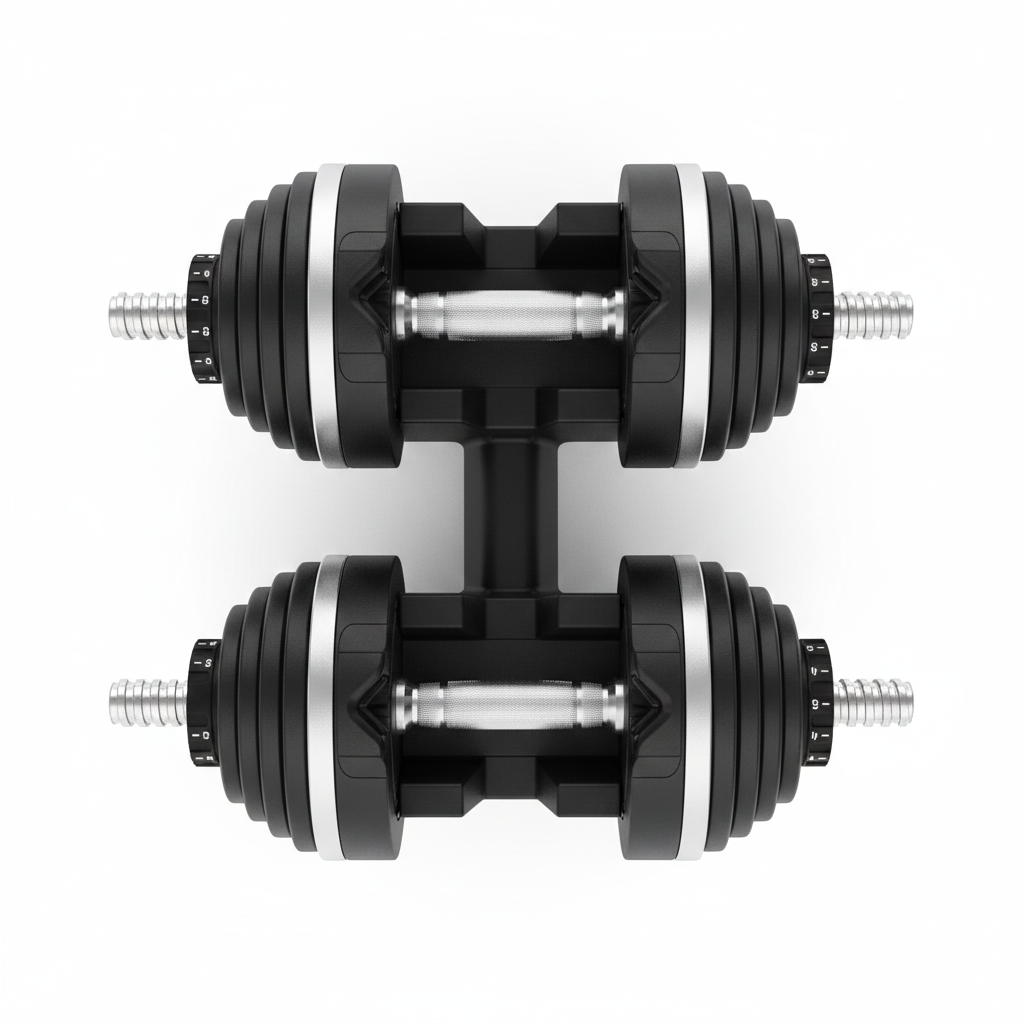
Does a pull-up bar give me a complete back workout? It gives you about half of one. Pull-ups hit the lats and biceps brilliantly, but a full back also needs horizontal pulling for the mid-back and rear delts. Pair the bar with a rowing movement, using a set of adjustable dumbbells or the IRONSURGE bands, and you have the complete picture.
What is the difference between pull-ups and chin-ups? Pull-ups use an overhand grip with palms facing away; chin-ups use an underhand grip with palms toward you. Chin-ups are usually ten to twenty percent easier because the biceps contribute more. A multi-grip bar lets you do both, which is the main reason grip variety is worth paying for.
Will a doorway bar damage my door frame? No-screw bars leave no structural damage and, at worst, faint cosmetic marks that wipe away or paint out. Wall-mounted bars leave anchor holes that need filling if you ever remove them. Neither harms the door frame's integrity when installed on a sound surface.
What I'd Buy Today
For most people, the IRONSURGE Multi-Grip Doorway Set is the one I would get. It goes up in seconds with no screws, gives you the grip variety that makes a bar worth owning, and includes the bands and supports that extend what you can train from day one. It is the rare bit of kit that starts paying for itself the first week you use it.
If you own your space and want a bar with zero flex that will still be there in ten years, bolt up the Rage Fitness Wall Mounted Bar and never think about it again. And if you just want to start, the ALLY PEAKS gets you hanging today for less than almost anything else in the house. Pick the one that fits your door and your plans, get it up, and do your first hang tomorrow.
What You'll Need With It

Premium resistance bands supporting 35+ exercises. Includes eBook with workout guide. High-quality latex that's tear-resistant for long-term use. A step above basic bands.

Industry-standard protein powder with premium quality and excellent mixability. The benchmark against which other proteins are measured. Great taste and trusted by athletes worldwide.
As an Amazon Associate, we earn from qualifying purchases.
Products Mentioned in This Guide
Frequently Asked Questions
Related Guides
Find Your Perfect Equipment
Expert guides for racks, barbells, plates, benches, and more. Build your home gym the right way.
Browse All Guides