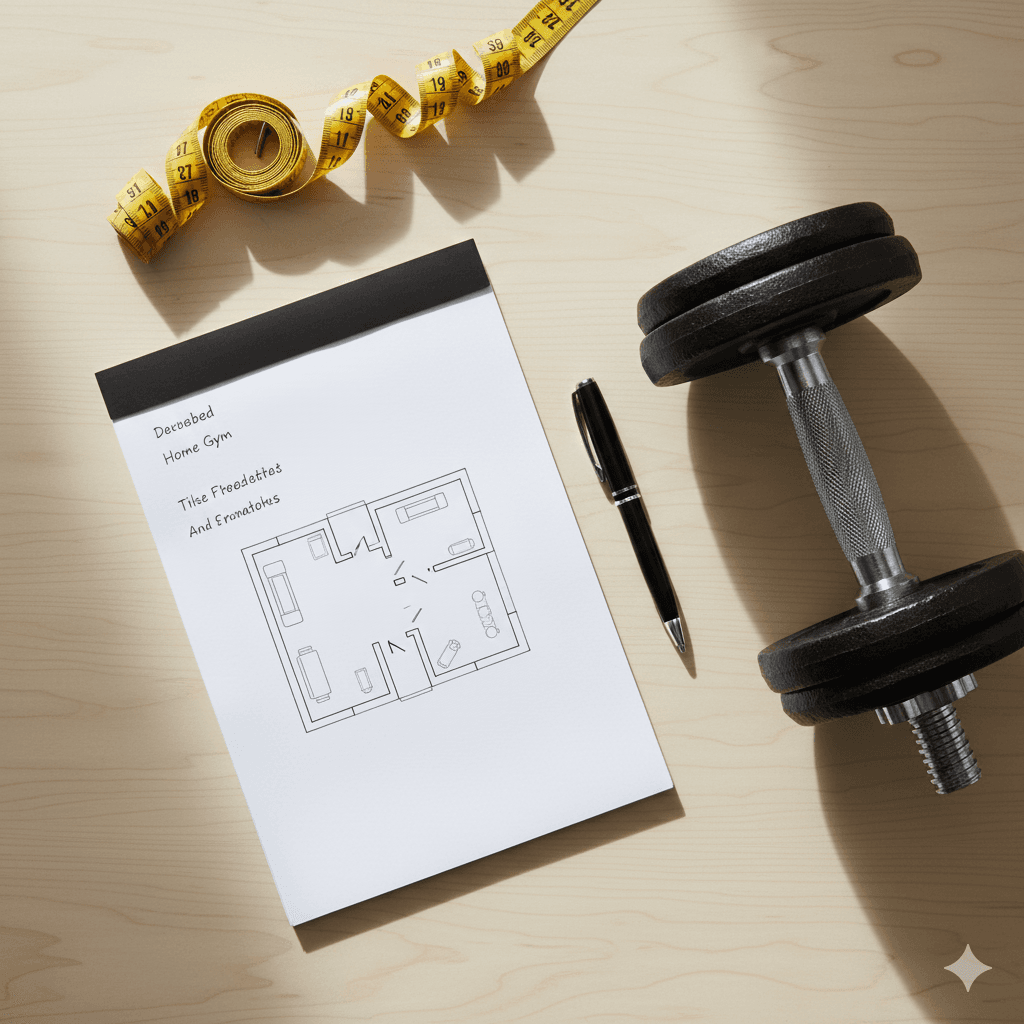
Best Elliptical Machines 2026

Thirty years of training at home. Built multiple home gyms from bare garages to proper setups. I know what equipment lasts, what breaks, and what becomes an expensive clothes rack.
Just so you know, some links on this page are affiliate links. If you buy something via them, we get a small kickback. You don't pay more, but it helps toward the next bit of kit.
Looking for more equipment recommendations?
Browse All GuidesAn elliptical is the smartest cardio purchase most home gym buyers never consider - until they do the math. Zero joint impact. Upper and lower body working simultaneously. Burns comparable calories to running without the repetitive stress that eventually sidelines most runners. And it works on any budget from $599 to $1,800+.
The three machines below cover every realistic home gym scenario. Pick the right one and you'll still be using it in five years.
Quick Picks
| Category | Top Pick | Best For |
|---|---|---|
| Best value | Schwinn 430 | Most home gym buyers |
| Best under $1,000 | Schwinn 470 | Power incline, Bluetooth training |
| Premium | NordicTrack FS14i | Serious athletes, 3-in-1 motion |
Prices shown are approximate at time of review. Click to check current pricing.
Who an Elliptical Makes Sense For
An elliptical isn't the right machine for everyone. Here's an honest look at who gets the most value.
Good fit: - You want low-impact cardio that doesn't punish your knees or hips - You're returning from injury or managing a chronic joint issue - You want full-body cardio - the arm handles engage your upper body in a way bikes and rowers don't - You find running on a treadmill boring and want a different motion - You want a machine your whole household can use without fitness level differences mattering much
Consider alternatives: - You enjoy running and want to replicate road running - a treadmill is the closer match - Your primary goal is building lower-body strength - free weights deliver more - Space is extremely limited - at similar prices, a folding treadmill or bike takes less room - You want intense rowing-style full-body cardio - a rower engages more muscle per stroke
Best Value: Schwinn 430
The Schwinn 430 is the default recommendation for most home gym buyers. It delivers more resistance levels and training programs than machines costing twice the price three years ago. *(Price when reviewed: roughly $599 | Check Price on Amazon)*
Key specs: - 22 resistance levels - 20 built-in workout programs - 20-inch stride length - Dual-track LCD display - Contact and telemetric heart rate monitoring - Media shelf, USB charging port
The 22 resistance levels mean this machine has genuine progression room. Most buyers start at levels 3-6 and build over months to 12-15. The jump between levels feels consistent, not the cliff-edge difference between 3 and 4 that plagues cheap machines.
The 20-inch stride works for most adults up to around 6'1". At this height you get a natural, comfortable motion. Taller users sometimes feel slightly cramped, which is worth knowing before ordering.
The honest negative: No Bluetooth. No app connectivity. No power incline. If you want to track workouts on your phone or train with guided programs that adjust resistance automatically, look at the 470. The 430 is a standalone machine. For many users, that's exactly what they want.
Best Under $1,000: Schwinn 470
The Schwinn 470 is the clear step-up from the 430, and the upgrade makes sense for specific buyers. *(Price when reviewed: around $899 | Check Price on Amazon)*
Key specs: - 25 resistance levels - 29 workout programs - Power incline ramp (0-10°) - Bluetooth heart rate monitoring - USB charging port - Dual-track display with backlight
The power incline ramp is the main differentiator. Adjusting the incline angle changes which muscles the elliptical targets. A flat incline biases glutes and hamstrings. Steeper angles shift emphasis toward calves and quads. This gives you meaningful training variety that the 430 can't match.
Bluetooth connectivity links to fitness apps for heart rate tracking and basic workout logging. Not as deep an integration as iFIT-connected machines, but functional for anyone using Polar, Garmin, or similar devices.
The honest negative: The 470 is larger and heavier than the 430. Budget an extra foot of clearance. The power incline mechanism adds weight - this is not a machine you'll move around frequently. Make sure you have a permanent spot for it before ordering.
Premium: NordicTrack FS14i
The NordicTrack FS14i is a different category of machine. It's not just an elliptical - it's a 3-in-1 trainer that replicates elliptical, treadmill, and stair climber motion in a single footprint. *(Price when reviewed: approximately $1,799 | Check Price on Amazon)*
Key specs: - Adjustable stride: 10-38 inches continuously variable - 14-inch HD touchscreen with iFIT - 26 resistance levels - AutoAdjust: resistance changes automatically during iFIT sessions - Incline and decline capability
The adjustable stride is what justifies the price. At a short stride setting, the FS14i replicates stair climbing. At a mid stride, it's a conventional elliptical. At full 38-inch extension, it approaches a running motion. This range means one machine genuinely handles multiple training modes, and makes it the right fit regardless of your height or stride preference.
The 14-inch touchscreen is responsive and bright. iFIT sessions automatically adjust resistance to match the terrain or trainer's instructions. The difference versus manually changing resistance mid-session is real: you actually push harder because the machine responds to the workout, not your tiredness.
The honest negative: iFIT costs $39/month after the 30-day trial. Without it, the FS14i is still a capable elliptical, but you lose the auto-adjust features and guided sessions that justify a significant portion of the price premium. Budget for the subscription if you're buying this machine. Also: this is heavy equipment. Have two people handle delivery and installation.
Full Comparison
| Model | Stride | Resistance | Incline | Connectivity | Screen |
|---|---|---|---|---|---|
| Schwinn 430 | 20" fixed | 22 levels | None | None | Dual-track LCD |
| Schwinn 470 | 20" fixed | 25 levels | 0-10° power | Bluetooth | Dual-track LCD |
| NordicTrack FS14i | 10-38" variable | 26 levels | Yes | iFIT (Wi-Fi) | 14" HD touch |
What to Avoid
Avoid ellipticals under $400. At this price point, machines wobble at resistance levels above 5-6, the stride motion is imprecise, and frame welds fail within 18-24 months of regular use. The experience is bad enough to put people off elliptical training entirely. The Schwinn 430 is $599 for a reason.
Avoid magnetic ellipticals with "up to 8 resistance levels." Eight levels means you run out of challenge within months. Look for 20+ levels to ensure the machine can grow with you.
Avoid machines with listed peak HP motors. This applies more to treadmills than ellipticals, but some budget ellipticals hide their motor specs behind peak figures. Stick to established brands with actual specs.
Avoid unbranded Amazon ellipticals with hundreds of reviews and prices under $300. The reviews are often genuine - for a machine that works fine for 6 months. After that, reliability drops sharply.
The Specs That Actually Matter
Stride Length
For most adults between 5'4" and 6'1", a 20-inch stride length is comfortable. Below 5'4", some people find 20 inches slightly long - look for models with 18-inch stride options. Above 6'2", a longer or adjustable stride like the FS14i's 38-inch maximum will feel more natural.
The stride length also determines the "feel" of the motion. Shorter strides feel more like stair climbing. Longer strides feel closer to running. Many people prefer the mid-range 18-20 inch stride for general-purpose cardio.
Resistance Levels
Twenty or more levels ensures meaningful progression. Budget machines with 8-12 levels hit a ceiling quickly and become unchallenging.
Magnetic resistance (all three picks above) is quiet and requires no maintenance. Older air resistance ellipticals are loud enough to hear through walls.
Flywheel Weight
Heavier flywheels deliver smoother, more consistent stride motion. The inertia of a heavier flywheel carries momentum through dead spots in the rotation.
Budget machines: 8-12 lb flywheel. Acceptable for light use. Mid-range machines: 20-25 lb flywheel. Noticeably smoother. The Schwinn 430 uses a 20 lb flywheel. The 470 uses a 25 lb flywheel. The FS14i doesn't publish flywheel weight but delivers commercial-grade smoothness.
Space Requirements
Ellipticals are not compact equipment. Measure your space before ordering.
| Model | Footprint | Clearance Needed |
|---|---|---|
| Schwinn 430 | 70" x 28" | 24" front, 24" sides |
| Schwinn 470 | 71" x 28" | 24" front, 24" sides |
| NordicTrack FS14i | 56" x 28" | 24" all sides (stride extends forward) |
The FS14i is actually shorter in floor footprint than the Schwinn models - the stride extends forward into your clearance zone rather than being built into the machine length. Account for this when measuring your space.
Ceiling height matters on some models. If the machine's pedals rise at full stride, you need sufficient headroom. Standard 8-foot ceilings accommodate all three picks.
The iFIT Question
Two of the three recommended machines involve iFIT in some capacity.
NordicTrack FS14i: iFIT is central to the value proposition. Auto-adjust resistance, guided sessions, and world routes are what make the $1,799 price defensible. Without iFIT, this machine competes against ellipticals half its price.
Schwinn 430 and 470: No iFIT dependency. These machines work completely standalone. The 470 connects via Bluetooth to third-party apps, but doesn't require any subscription.
The honest assessment: If you won't use guided training sessions regularly, the FS14i is overpriced relative to the Schwinn 470. If you will use them, the FS14i delivers a genuinely different training experience. Be honest with yourself about which type of user you are before buying.
Elliptical vs Treadmill: The Short Answer
If you have joint issues or want a lower-impact option: elliptical. If you run outdoors and want an indoor complement: treadmill. If you're not sure: the elliptical is the safer long-term choice for most people over 35.
For a deeper breakdown, see our treadmill vs elliptical comparison.
The Right Starting Point
For most buyers - no specific brand loyalty, no known joint issues, limited budget for premium equipment - the Schwinn 430 is the answer. It's reliable, it has enough resistance to stay challenging for years, and it doesn't require a subscription to work.
Spend a little more and you get the 470 with power incline and Bluetooth. That's worth it if you care about training variety or fitness app integration.
Spend more and you get the FS14i with adjustable stride, touchscreen, and iFIT. That's worth it if you'll use guided sessions consistently and want one machine that genuinely serves multiple training modes.
The worst outcome is buying a budget machine, hating the wobble and limited resistance, and giving up on elliptical training because of a $350 decision. Spend at least $599 and you get a machine that actually works.
Training Programmes for Your Elliptical
An elliptical rewards structured training. Here are three approaches that produce real results.
Steady-State Cardio (Fat Burning Zone) Duration: 40-50 minutes. Resistance: moderate (levels 8-12 on a Schwinn 430). Target heart rate: 65-75% of maximum, roughly 140-155 bpm for a 40-year-old. This is the fat-burning zone where you can sustain effort for extended periods. Four to five sessions weekly is the most sustainable fat-loss protocol on a home cardio machine.
HIIT on the Elliptical Duration: 22 minutes total. Warm-up: 2 minutes at level 5. Main set: 8 rounds of 30 seconds at maximum effort (levels 16-22) followed by 90 seconds recovery at level 5. Cool-down: 2 minutes easy. More time-efficient than steady-state for cardiovascular fitness improvements. The elliptical is ideal for HIIT because zero impact means you can push hard without injury risk at high effort levels.
The Resistance Pyramid Duration: 30 minutes. Start at level 3 and increase by one level every 2 minutes for 15 minutes (reaching level 10-11). Mirror back down for the final 15 minutes. This creates automatic progression and prevents monotony. Works well on days when motivation is low because the structure removes all decision-making.
Using the Incline (Schwinn 470 and FS14i only) Flat incline biases quads and calves. 5-7 degrees shifts emphasis toward glutes and hamstrings. 8-10 degrees maximises posterior chain engagement. Rotating incline settings across sessions builds more balanced lower body development than fixed flat training.
Assembly: What to Expect
All three machines arrive flat-packed and require assembly. Budget the time appropriately before the delivery arrives.
Schwinn 430 and 470: 60-90 minutes solo, 45-60 minutes with a helper. Critical steps: attach stabiliser feet correctly (get these level first or the machine rocks), fully tighten all bolts before first use (hand-tight is not enough, use the provided Allen keys), and route console cables through the handlebars before connecting them. Threading cables after the frame is assembled is awkward.
NordicTrack FS14i: More complex. Budget 2-3 hours with two people. The stride arm mechanism requires precise alignment. If the machine feels stiff or scratchy after assembly, the stride arm connection bolts are likely slightly misaligned. Loosen and re-tighten before concluding the machine is faulty.
Placement: Position the machine on rubber gym flooring rather than carpet or hardwood. This protects the floor, prevents the stabiliser feet from sliding, and extends the machine's operational life. Basic rubber gym tiles cost $20-30 on Amazon and are worth it.
Maintenance
After every session: Wipe down the pedals and handlebars with a dry cloth. Sweat is mildly corrosive and damages metal surfaces over weeks of accumulation.
Monthly: Check and tighten any bolts that have worked loose. A machine in daily use will see minor bolt loosening over time. Creaking during use almost always indicates a loose bolt rather than mechanical failure.
Every 6 months: Apply a drop of silicone spray or light machine oil to the pivot points where stride arms connect to the main frame. Wipe away excess. This keeps the motion smooth and prevents squeaking over time.
Never: Spray cleaning products directly onto the console. Use a damp cloth only. Keep moisture away from the resistance adjustment mechanism and any electronics.
Warranty Comparison
| Model | Frame | Parts | Labour |
|---|---|---|---|
| Schwinn 430 | 10 years | 2 years | 1 year |
| Schwinn 470 | 10 years | 2 years | 1 year |
| NordicTrack FS14i | 10 years | 2 years | 1 year |
Both Schwinn and NordicTrack have US customer service lines. Warranty claims for manufacturing defects are generally straightforward with replacement parts shipped directly to you within 5-10 business days.
Resale Value
Quality ellipticals hold value well on the used market. A Schwinn 430 in good condition sells for $200-300 on Facebook Marketplace after 2-3 years. The NordicTrack FS14i retains value better because smart machines with iFIT content depreciate more slowly than basic models.
If you are unsure whether an elliptical is right for you, buying at this quality level is not a significant financial risk. Sell it if you decide it is not for you and you will recover $150-200 of your investment after two years of use.
Long-Term Ownership
The most common reasons home cardio equipment stops being used:
Early mechanical failure. Budget machines failing within 12-18 months destroys the training habit. The machines in this guide are specifically chosen for reliability at their price points.
Progression hits a ceiling. Eight resistance levels runs out in months for consistent trainers. The Schwinn 430 with 22 levels gives years of genuine progression headroom.
Inconvenient placement. A machine you walk past daily gets used. A machine in a locked basement does not. Reducing friction to training matters more than optimising any variable in the training itself.
Boredom. Rotate between the training programmes described above. Track something each session. Change between steady-state and HIIT weeks. Variety is the single best predictor of long-term consistency on any piece of cardio equipment.
A well-maintained Schwinn 430 or 470 should still be your primary cardio machine five years from today. The FS14i extends this with iFIT's evolving content library keeping sessions fresh. Buy the right machine at the right price and it becomes part of your daily infrastructure rather than an experiment.
Common Buying Mistakes to Avoid
Buying based on looks alone. Premium-looking ellipticals at $250-350 often have thin metal frames, lightweight flywheels, and resistance mechanisms that fail within a year. Avoid anything that does not list flywheel weight, resistance levels, and a real manufacturer warranty.
Choosing a machine that is too small. Many budget ellipticals have 16-18 inch stride lengths. For anyone over 5'10", this feels cramped and unnatural after a few sessions. The Schwinn 430 and 470 both offer a 20-inch stride that handles most adults comfortably.
Skipping the mat. Placing a heavy machine directly on hardwood or tile damages the floor and causes vibration noise. A rubber mat is a $25-30 purchase that protects a much more expensive floor.
Not reading the return policy. Ellipticals are large, heavy, and expensive to ship. Most retailers have restocking fees or require you to pay return shipping on large items. Know the return terms before you buy.
Expecting results without structure. An elliptical sitting in the corner does not improve fitness. Twenty minutes of actual use twice a week does more than the most expensive machine that gets used inconsistently. Use the training programmes above, track your sessions, and treat the machine as infrastructure for a training habit.
Who Each Machine Is For: Final Summary
Schwinn 430: You want a reliable, no-subscription cardio machine for regular home use. You do not need Bluetooth or app integration. You want enough resistance levels to stay challenged for years without paying for smart features you will not use.
Schwinn 470: You want power incline to vary your training angle and Bluetooth connectivity to link to a fitness app. You are a motivated trainer who will use 29 workout programmes and benefit from training variety that the 430 cannot offer.
NordicTrack FS14i: You want the best home elliptical available, you will use iFIT-guided sessions consistently, and you want a machine that serves as a full 3-in-1 trainer with adjustable stride for multiple motion modes. You understand that the subscription is part of the product and budget accordingly.
FAQ
How long should I use an elliptical per day? For general fitness, 20-30 minutes at moderate resistance three to five times per week is a solid starting point. That is enough to build cardiovascular fitness and burn meaningful calories without overdoing volume. If your goal is primarily weight management, 30-45 minutes at a pace where you can hold a conversation is more effective than shorter, higher-intensity sessions for most people.
Is an elliptical better than a treadmill for bad knees? Yes, for most knee conditions. The elliptical keeps your foot in contact with the pedal throughout the stride, which eliminates the impact phase entirely. Treadmill running generates a ground reaction force of 2-3x bodyweight with each step. If knee pain is a consistent issue on a treadmill, an elliptical is worth trying before abandoning cardio equipment altogether. Any persistent knee pain warrants a consultation with a physio before changing equipment.
What resistance level should I train at? A resistance level where you are breathing harder than normal conversation but can still speak in short sentences is the right target for most sessions. On a 20-level machine like the Schwinn 430, that tends to be levels 6-10 for most people. Using level 3 every session and coasting through is the main reason people plateau on ellipticals. Progressive resistance, not speed, is what drives adaptation.
How much should I spend on a home elliptical? $500-$700 buys a machine that will last 5+ years with reasonable use. Below $400, the flywheel weight and frame quality start to compromise the experience in ways you will notice within six months. Above $900, you are primarily paying for connected training features and screen quality, not durability. The Schwinn 430 sits in the right window for most home users.
Do I need to subscribe to a fitness platform for it to be worth using? No. Subscription-free machines like the Schwinn 430 and 470 work fine without any connected platform. A basic workout program at steady moderate resistance is effective training. The subscriptions add coaching variety and motivation, which some people value and others stop using after month two. Buy for the machine, treat the subscription as optional.
Bottom Line
The Schwinn 430 is the right answer for most people reading this guide. It is reliable, well-supported, has 22 resistance levels that will keep you challenged for years, and requires no subscription to function. If you find yourself consistently maxing out the resistance after six months of training, that is a good problem to have - it means you have built genuine fitness and are ready to step up to the 470 or FS14i. Start where the value is and progress when the training demands it.
What You'll Need With It
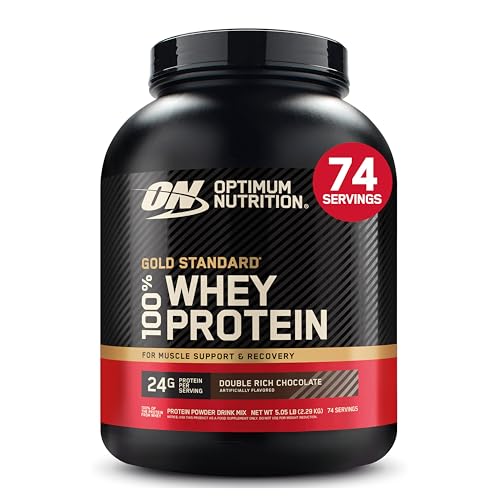
Industry-standard protein powder with premium quality and excellent mixability. The benchmark against which other proteins are measured. Great taste and trusted by athletes worldwide.
As an Amazon Associate, we earn from qualifying purchases.
Products Mentioned in This Guide
Frequently Asked Questions
Related Guides
Find Your Perfect Equipment
Expert guides for racks, barbells, plates, benches, and more. Build your home gym the right way.
Browse All Guides