Best Kettlebells 2026

Thirty years of training at home. Built multiple home gyms from bare garages to proper setups. I know what equipment lasts, what breaks, and what becomes an expensive clothes rack.
Just so you know, some links on this page are affiliate links. If you buy something via them, we get a small kickback. You don't pay more, but it helps toward the next bit of kit.
Looking for more equipment recommendations?
Browse All GuidesOne kettlebell, 20 minutes, and you can get a better workout than most people get in an hour at the gym. That's not hype - it's what happens when you load a swing, a press, and a goblet squat back-to-back with no rest. Your heart rate goes to places a treadmill never finds. Your grip, core, and posterior chain all work simultaneously. And then it's over, and you've still got your evening.
That's what a kettlebell gives you. Not a replacement for a full home gym - a precision tool that does things nothing else does as well.
Quick Picks
| Category | Pick | Best For | |
|---|---|---|---|
| Best Budget | Yes4All Cast Iron Kettlebell | First kettlebell, testing the movement | Check Price on Amazon |
| Best Mid-Range | Yes4All Powder Coated Kettlebell | Serious training, better grip feel | Check Price on Amazon |
| Best Premium Single | REP Fitness Kettlebell | Quality construction, competition-adjacent | Check Price on Amazon |
| Best Starter Bundle | Yes4All 44 + 53 lb Set | Two-bell setup, covers most needs | Check Price on Amazon |
The short version: Most people should buy the Yes4All cast iron to start, upgrade to powder-coated once committed, and add a second bell 6–12 months later. The bundle is worth it if you already know you're in.
Why Kettlebells Are Different From Dumbbells
The weight hangs below the handle. That sounds simple. The implications are enormous.
With a dumbbell, the load is symmetric - equal weight on both sides of your hand. With a kettlebell, the bell swings freely below the handle, creating an offset center of mass that your grip, forearm, and core must constantly manage.
This is why swings work so well. The bell accelerates and decelerates through a hip-hinge pattern; you're not just moving weight but controlling a pendulum. Your posterior chain - hamstrings, glutes, lower back - fires explosively to drive it. Your core braces to prevent your spine from folding. Your lats engage at the top to stop it from flying over your head.
A dumbbell cannot replicate this. The physics don't allow it. The shape matters.
The same offset creates the challenge in Turkish get-ups, cleans, and snatches - ballistic movements that build athletic power and conditioning simultaneously. Kettlebell training improves grip strength faster than almost anything else, and grip strength correlates more strongly with long-term health outcomes than people realize.
If your goals are fat loss, conditioning, or athletic movement, a kettlebell is not a budget substitute for a barbell - it's a superior tool for those specific outcomes.
What Weight to Start With
This is the question most people get wrong, usually by going too heavy.
| Level | Men | Women |
|---|---|---|
| Beginner | 12–16 kg (26–35 lb) | 8–12 kg (18–26 lb) |
| Intermediate | 16–24 kg (35–53 lb) | 12–16 kg (26–35 lb) |
| Advanced | 24–32 kg (53–70 lb) | 16–24 kg (35–53 lb) |
The trap: a 16 kg bell feels manageable for a goblet squat but will humble you on a Turkish get-up. Presses and overhead movements are significantly harder than lower-body pulls at the same weight.
The smarter play is to underestimate. A bell that's too light teaches you the movement pattern. A bell that's too heavy teaches you to compensate with your lower back instead of your hips, and that's how people get hurt on swings.
Weight-specific guidance by exercise: - Swings: Most men start at 16–20 kg. Most women at 12 kg. - Goblet squats: Can go heavier than swings - 16–24 kg for most men. - Presses: Significantly lighter. 12 kg for men who are new. 8 kg for women. - Turkish get-ups: Start absurdly light, even a shoe. 8–12 kg once the movement is understood.
Yes4All Cast Iron Kettlebell - Best Budget
The Yes4All Cast Iron Kettlebell is pure cast iron with a flat base. No coating to chip. No clever features. Just solid metal in the traditional shape that works exactly as it's supposed to. *(Price when reviewed: around $35–55 depending on weight | Check Price on Amazon)*
What works: - Price is difficult to argue with - under $40 for most beginner weights - Cast iron lasts indefinitely if you don't drop it on concrete repeatedly - Flat base sits stable during floor exercises and Turkish get-ups - Available in a wide weight range from 5 lb to 70+ lb - Standard handle diameter works with most hand sizes
The honest downsides: - Handle finish can feel rough before it's broken in - chalk helps - Slightly wider handle than premium options - Bare cast iron will surface-rust in humid garages without occasional oiling
For testing whether kettlebell training suits your routine, this is the sensible starting point. If you try swings three times a week for a month and hate it, you're out $35. If you love it, you have a useful tool that will outlast most of your other gym equipment.
Yes4All Powder Coated Kettlebell - Best Mid-Range
The Yes4All Powder Coated Kettlebell adds a textured powder coat finish that changes the feel of high-rep sets meaningfully. The grip is tackier, especially as your hands start to sweat. The surface also protects against rust without needing oil. *(Price when reviewed: around $45–80 depending on weight | Check Price on Amazon)*
The handle ergonomics are refined - slightly smoother edges where the handle meets the bell body, which matters after 200 swings. Not a dramatic difference, but a noticeable one.
Worth the upgrade once you've established a training habit and want something that will hold up to serious volume. For unheated garages in cold climates, the coating also means the handle doesn't feel like you're gripping a frozen pipe in winter.
REP Fitness Kettlebell - Best Premium Single
The REP Fitness Kettlebell is machined to tighter tolerances than budget options, with a handle diameter and finish that sits between standard cast iron and full competition bells. *(Price when reviewed: around $35–90 depending on weight | Check Price on Amazon)*
REP is a well-regarded equipment brand - their power racks and weight benches are used in serious home gyms, and the same build quality carries over to their kettlebells. The handle geometry is consistent across weights, so your hand position and rack position stay the same as you progress.
This is the pick for someone who wants to build a quality kettlebell collection over time, or who trains enough that the handle quality matters on high-rep sets. Not necessary if you're starting out - buy the Yes4All first.
Yes4All 44 + 53 lb Bundle - Best Two-Bell Setup
The Yes4All 44 + 53 lb Set gives you two bells for around $120 - about the cost of buying them separately. *(Price when reviewed: around $120 | Check Price on Amazon)*
Two bells unlocks double-bell training: double cleans, double presses, double front squats. These are significantly harder than single-bell work at the same weight - you're pressing two bells simultaneously with no asymmetry to compensate for. The conditioning demand doubles.
The 44 + 53 lb pairing works well for intermediate men who can swing 44 lb comfortably and want to push into heavier pressing work with 44s while building toward heavier swings at 53 lb. For women, a 26 + 35 lb pairing tends to work better.
This bundle is overkill if you're new to kettlebell training. Buy a single bell first.
Cast Iron vs Powder Coat vs Competition Bells
| Type | Pros | Cons | Best For |
|---|---|---|---|
| Bare cast iron | Cheapest, durable, traditional | Surface rust risk, rough initially | First bell, budget-focused |
| Powder coated cast iron | Better grip, rust resistant, professional feel | 20–30% more expensive | Regular training, humid environments |
| Competition | Uniform size across all weights, precision machined | Expensive, oversized for home use | Kettlebell sport, technique obsessives |
Vinyl-coated kettlebells exist but are worth avoiding. The vinyl protects your floors from drops but cracks over time, and the coating adds diameter to the handle which makes the grip awkward. Buy cast iron, put rubber mats down.
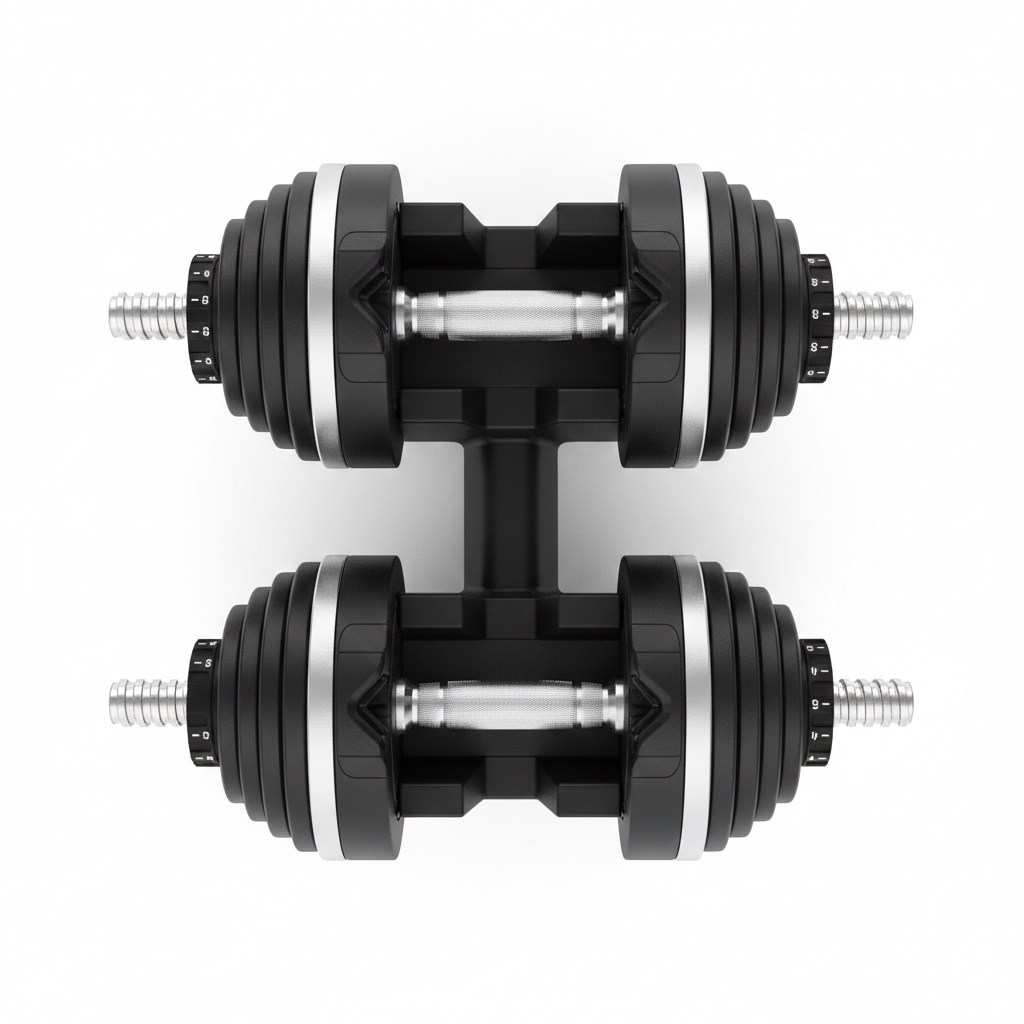
Adjustable kettlebells like the Bowflex model seem clever - one unit replacing six. In practice: the handles are wider and less comfortable for ballistic movements, the weight distribution feels different from fixed bells, and mechanisms that change weight add failure points. Fixed bells win on feel and longevity. A 26 lb, 35 lb, and 53 lb set costs around the same as a single adjustable unit and is far more satisfying to train with.
Single Bell vs Two-Bell Training
Most people start with one bell and stay there longer than they need to. One bell is genuinely sufficient for: - Swings, goblet squats, single-arm presses - Turkish get-ups - Rows, deadlifts, windmills - Most conditioning circuits
Adding a second bell in the same weight range unlocks: - Double cleans and double front squats (harder than they sound) - Double presses - brutal for shoulder and core strength - Farmer's carries with matched loading - Higher-volume swings and snatches with less weight asymmetry
The practical two-bell progressions that work for home gyms: start with a single bell at your swing weight, add a second bell 2–4 kg lighter for pressing work. The press weight will feel easy on the swing. That's fine - use the lighter bell for pressing volume and the heavier bell for swings.
The Four Exercises That Cover Everything
You do not need fifty kettlebell exercises. You need four done well, trained consistently.
Kettlebell Swing The foundation of everything. Hinge at the hip, drive through with the glutes, let the bell float to chest height, brace at the top. Your posterior chain - hamstrings, glutes, lower back - does the work; your arms are just a pendulum. Twenty minutes of swings twice a week produces measurable conditioning improvements within a month.
Goblet Squat Hold the bell vertically at chest height, elbows pointing down, squat as deep as mobility allows. The counterbalance allows a more upright torso than a barbell squat, making it easier to hit depth without forward lean. This is the best self-teaching squat movement in existence - the weight naturally corrects your position.
Turkish Get-Up Lie on the floor, hold the bell directly overhead, and stand up without lowering it. Then return to the floor. That's the movement. It sounds absurd. It works every stabilizer in your body - shoulder, core, hip, leg - in sequence, under load. Start with your shoe balanced on your fist to learn the pattern before adding weight. This is the exercise most people skip and most experienced coaches put in every program.
Single-Arm Press Rack the bell at shoulder height (bell resting on the back of your forearm, elbow tucked), press overhead, lock out. The asymmetric loading forces your core to resist lateral flexion - much harder than a dumbbell press at the same weight. Three sets of five per side, twice a week.
A simple program that works: 3 rounds of 10 swings, 5 goblet squats, 1 get-up per side, 5 presses per side. Rest as needed between rounds. 20–25 minutes total. Three times per week. This is not complicated. Complicated is what people use to avoid starting.
Programming: How to Progress
The mistake most people make with kettlebells is inconsistent training and constant exercise switching. Pick a weight, pick a program, stay with it for 8 weeks.
Simple progression model: - Week 1–2: Learn the movements with light weight. Form is everything. - Week 3–4: Add volume. Same weight, more reps or sets. - Week 5–6: Push intensity. Shorter rest periods, or add 1 set per exercise. - Week 7–8: Assess. Can you do 20 consecutive swings with good form? Time to go heavier.
When to go heavier: When you can complete your full session with good form, adequate speed, and you feel like you could do more. Not when the current weight feels comfortable - when it feels earned.
FAQs
Do I need a kettlebell if I already have dumbbells? For traditional strength training - bench press, rows, curls - dumbbells are better. For conditioning, swings, and explosive training, a kettlebell does things a dumbbell cannot replicate. They're complementary tools, not substitutes. Adding a single kettlebell for swings and get-ups costs around $35 and adds a whole training modality.
Is 35 lb too heavy to start? For most men: probably fine for goblet squats and deadlifts, too heavy for Turkish get-ups. Start light enough to learn the movement without compensating. Get-ups especially - most coaches recommend starting with a shoe, then 8 kg, before loading up.
How long until I see results? Conditioning improvements from consistent swing training show up within 3–4 weeks. Strength gains take 6–8 weeks of consistent training. The speed of results depends almost entirely on consistency, not the specific weight or program chosen.
Can I build muscle with kettlebells alone? Yes, with limitations. You can build significant lean muscle with kettlebell complexes and double-bell pressing work. The ceiling is lower than a barbell program because you can't progressively overload as precisely - bells jump 9–18 lb at a time. For general fitness and athletic performance, kettlebells are excellent. For pure hypertrophy, add dumbbells or a barbell eventually.
What about kettlebell classes or apps? StrongFirst and Pavel Tsatsouline's Simple and Sinister program are both respected starting points. The Kettlebell Kings YouTube channel has solid free instruction. Don't buy a class until you understand the basic movements - YouTube is sufficient for the first 6 months.
Programming Beyond Swings
Once the basic swing is mastered, the kettlebell opens up dozens of movements. The Turkish get-up develops full-body coordination and identifies mobility limitations. The clean transitions the bell from floor to rack position. The press builds overhead strength from the rack. The snatch combines a swing with an overhead finish for maximum power development.
Safety Considerations
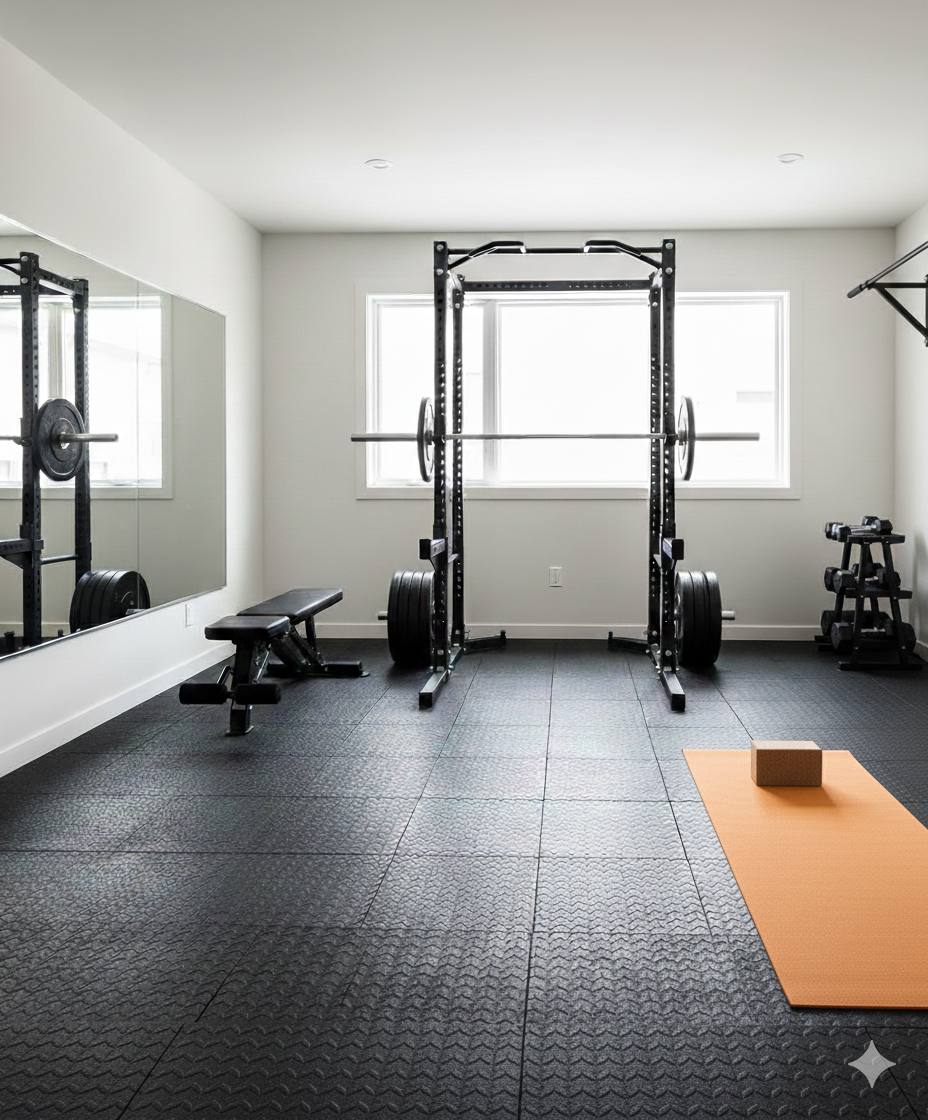
Kettlebell swings send a heavy iron ball through an arc at speed. Grip failure launches it forward. Always swing with at least 10 feet of clear space ahead. Train on rubber flooring that cushions a dropped bell.
Where to Buy Kettlebells in the US
Specialty retailers (Rogue Fitness, Kettlebell Kings, Onnit) sell the highest quality bells with consistent weight accuracy and smooth handles. Prices: $40-80 per bell depending on weight and coating.
Amazon stocks everything from premium brands to unbranded imports. The Amazon Basics range is adequate for beginners. Handle finish is rougher than specialty brands. Price advantage: typically 20-30% cheaper.
REI and Dick's Sporting Goods stock selected kettlebells in-store. The advantage is testing handle feel before buying.
Cast Iron vs Competition Style
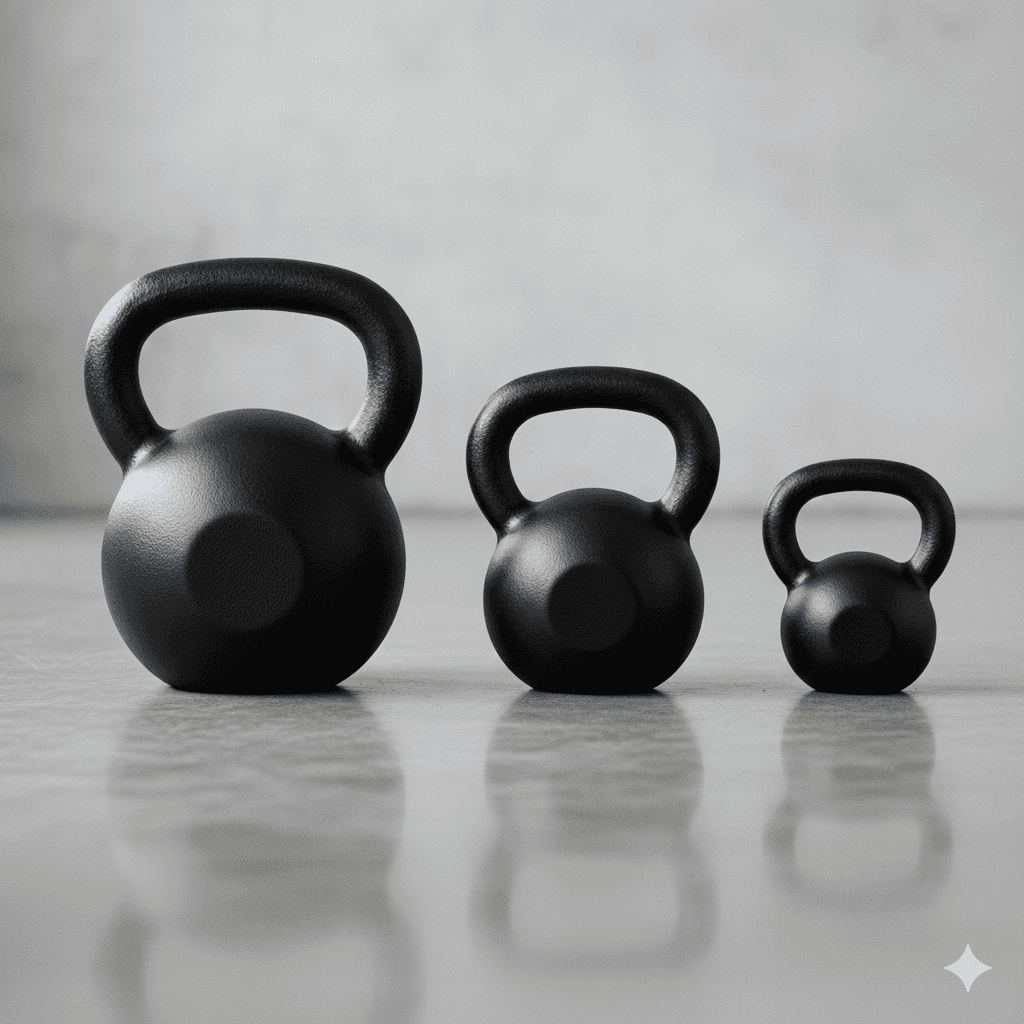
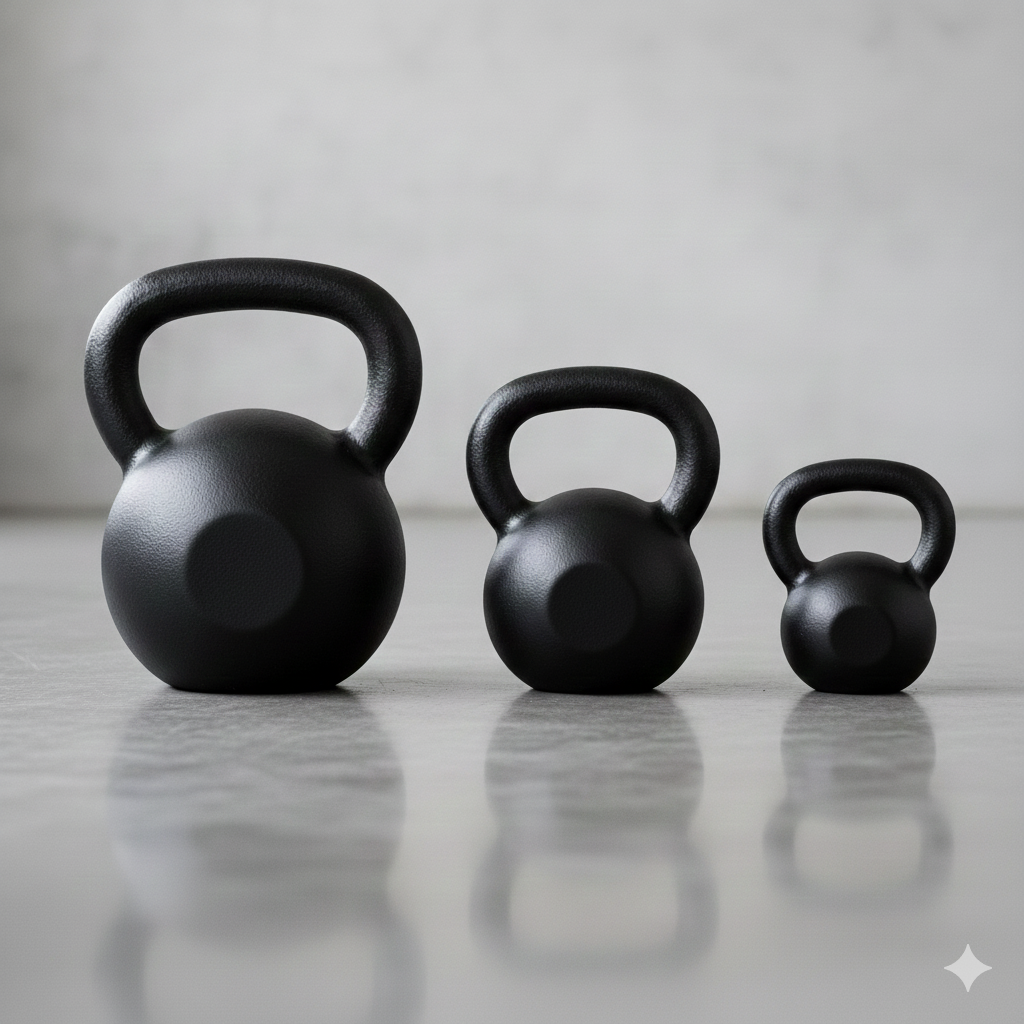
Cast iron kettlebells change size with weight. A 35-pound bell is smaller than a 70-pound bell. Handle thickness, ball diameter, and feel all change as you progress. For general training, this is fine.
Competition-style bells are identical dimensions regardless of weight. A 35-pound competition bell is the same size as a 70-pound one. This means your technique stays identical across weights. The handle diameter, ball size, and rack position never change.
For home gym use, cast iron is the practical choice. Cheaper ($20-50 per bell vs $50-90 for competition) and more durable when dropped. Competition bells are worth the premium if you plan to compete or value technical consistency.
Building a Collection
Single bell training works brilliantly. Programmes like Simple and Sinister use one bell for swings and Turkish get-ups. A 35-pound bell serves most men for 6-12 months. A 26-pound bell serves most women.
Two matching bells open up double swings, cleans, and presses. Significantly more demanding.
A three-bell collection covers everything. Light (18-26lb) for conditioning. Medium (35-44lb) for swings and cleans. Heavy (53-70lb) for two-handed swings and carries. Total cost around $80-180.
Workout Programming
The most common mistake: treating kettlebells like dumbbells. Kettlebell training is ballistic. Swings, cleans, and snatches are explosive hip movements, not arm exercises.
Beginner programme (4 weeks): Three sessions per week. Each session: 10 sets of 10 two-handed swings, 30 seconds rest between sets. Total time: 12-15 minutes. Builds the hip hinge pattern and cardiovascular base.
Intermediate (weeks 5-12): Add Turkish get-ups. Five per side before swings. Add goblet squats on alternate days. Total time: 20-25 minutes.
What to Avoid
Vinyl-coated and plastic-shell kettlebells. The vinyl coating chips within six to twelve months of regular use, especially around the handle. What starts as a smooth finish becomes rough patches that tear your calluses. The Yes4All cast iron and powder-coated options cost the same or less and last indefinitely. Avoid any listing with "soft grip," "neoprene," or "rubber coated" as key selling points.
Kettlebells with rough handle seams. Cast iron kettlebells are made in two-part molds, and cheaper production means rougher seams where the halves met. Run your hand around the handle before buying in person. Buying online, stick to brands with consistent reviews specifically mentioning smooth handles. Yes4All and Kettlebell Kings both pass this test consistently. Generic no-name listings priced under $20 for a 16 kg bell often do not.
Competition-style kettlebells for your first purchase. Competition kettlebells are uniform in size regardless of weight, which sounds ideal but creates a problem for beginners: the narrower neck means higher wrist torque during swings and cleans. For learning the fundamental movements, a standard cast iron bell with a wider base and proportional handle gives you better feel and stability. Move to competition style once the basics are solid and you know the category is worth investing in.
Adjustable kettlebells as a replacement for fixed bells. The Bowflex SelectTech 840 is a legitimate product and genuinely useful if storage space is critical. But a fixed cast iron kettlebell handles swings, two-handed work, and floor-based movements significantly better than most adjustable designs, because the weight distribution stays consistent. For $35-50, a single fixed bell is the better starting point for learning the movements properly.
Verdict
Start with the Yes4All Cast Iron Kettlebell at a weight you can swing with good form - 16 kg for most men, 12 kg for most women. Learn the swing, goblet squat, and get-up. Use them consistently for 8 weeks.
If kettlebell training becomes a fixture of your routine, upgrade to the Yes4All Powder Coated version in your next weight up and keep the original for pressing work. That two-bell setup covers you for years. If you already know you want two bells and want to spend around $120 up front, the Yes4All bundle is the efficient route.
A cast iron bell that lasts indefinitely, for very little. The cost-per-use math on this thing is almost embarrassing. Go swing something heavy.
As an Amazon Associate, we earn from qualifying purchases.
Products Mentioned in This Guide
Frequently Asked Questions
Related Guides
Find Your Perfect Equipment
Expert guides for racks, barbells, plates, benches, and more. Build your home gym the right way.
Browse All Guides