New Year Home Gym Setup

Thirty years of training at home. Built multiple home gyms from bare garages to proper setups. I know what equipment lasts, what breaks, and what becomes an expensive clothes rack.
Just so you know, some links on this page are affiliate links. If you buy something via them, we get a small kickback. You don't pay more, but it helps toward the next bit of kit.
Looking for more equipment recommendations?
Browse All GuidesI earn a commission on purchases made through links on this page. Full disclosure here.
A home gym is the single best thing you can do for a New Year training plan, because it deletes the two things that kill January resolutions: the commute to the gym and the excuse not to make it. This guide is the exact plan I would hand a friend starting in January: build it in waves, starting with a York 20kg dumbbell set, a kettlebell and proper floor mats, then adding the Mirafit M150 bench once the habit has survived its first month. Waves, not one big January splurge, because the setup that survives February is the one designed for the person you will be in February.
Everything below is the reasoning, the order, and the exact kit.
Quick Picks
Three ways in, one recommended path: start small, earn the upgrades.
Not sure which setup is right for you?
Take Our QuizMy pick for a January start is the starter trio. It is deliberately modest, and that is the design.
Why build it in waves?
Because the biggest risk to a January home gym is not buying the wrong equipment, it is becoming the person who no longer uses it, and the wave structure attacks exactly that. Every January, spare rooms across the country fill with ambitious kit bought in a single motivated weekend, and by March a fraction of it is still being touched. The failure mechanism is always the same: motivation bought the gym, but motivation was never going to show up every Tuesday in February. Habit does that, and habit is built by making the next session as frictionless as possible while it is still fragile.
So the plan works with the psychology instead of against it. Wave one costs little, covers every movement pattern a beginner programme needs, and lives somewhere you walk past daily. Its job is to make training so easy to start that you accumulate sessions, and sessions are the only currency that counts in January. Wave two arrives as a reward with a receipt attached: you train consistently for a month, and the bench shows up to multiply what you can do. By the time any serious money is on the table, you are no longer betting on a resolution. You are equipping a habit that already exists, and that bet pays every time.
There is a second, quieter benefit: each wave teaches you what the next one should be. A month of dumbbell work tells you whether you crave heavier pressing (bench first), hate your wobbly doorway (bar first), or miss cardio most (a different plan entirely). The January splurge buys blind. The wave buys informed.
Wave one: the starter trio that proves the habit
The opening setup is three items, chosen so that no session in your first month ever stalls on missing kit.
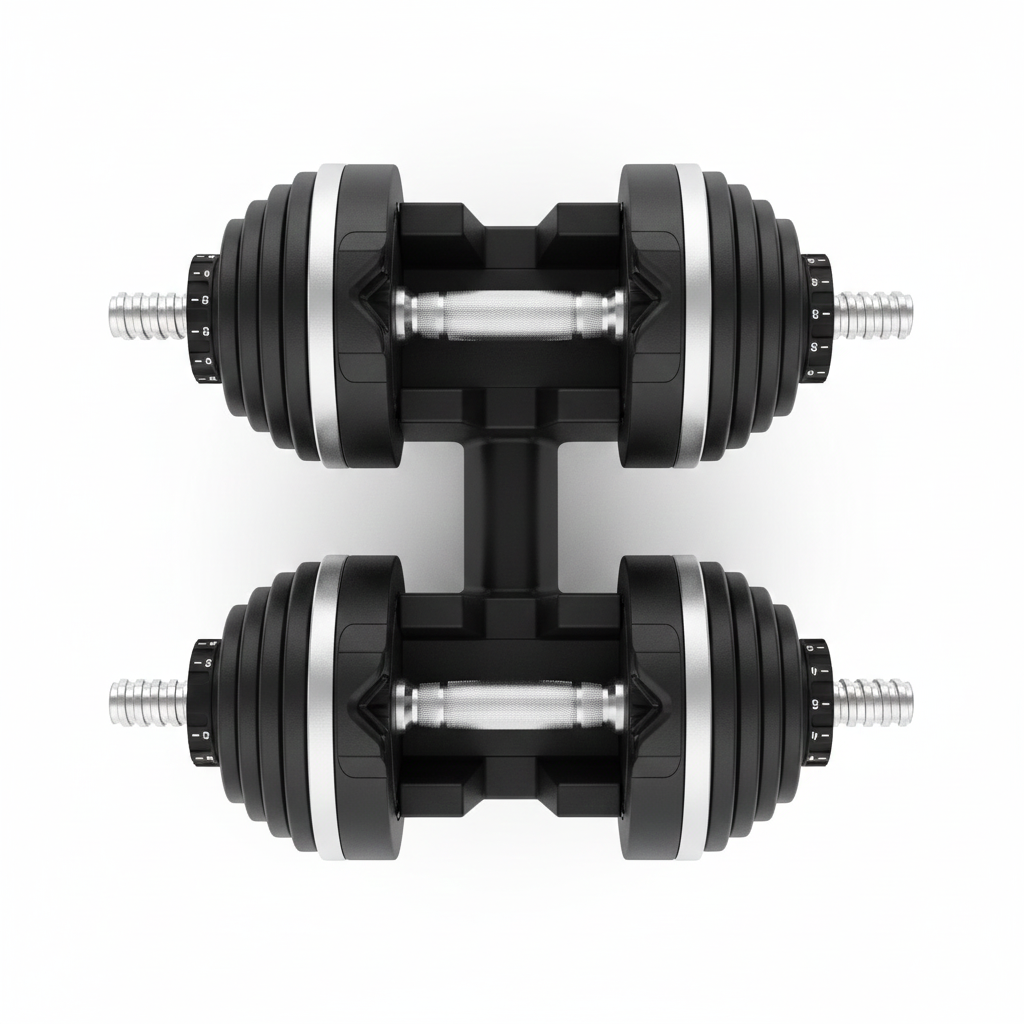
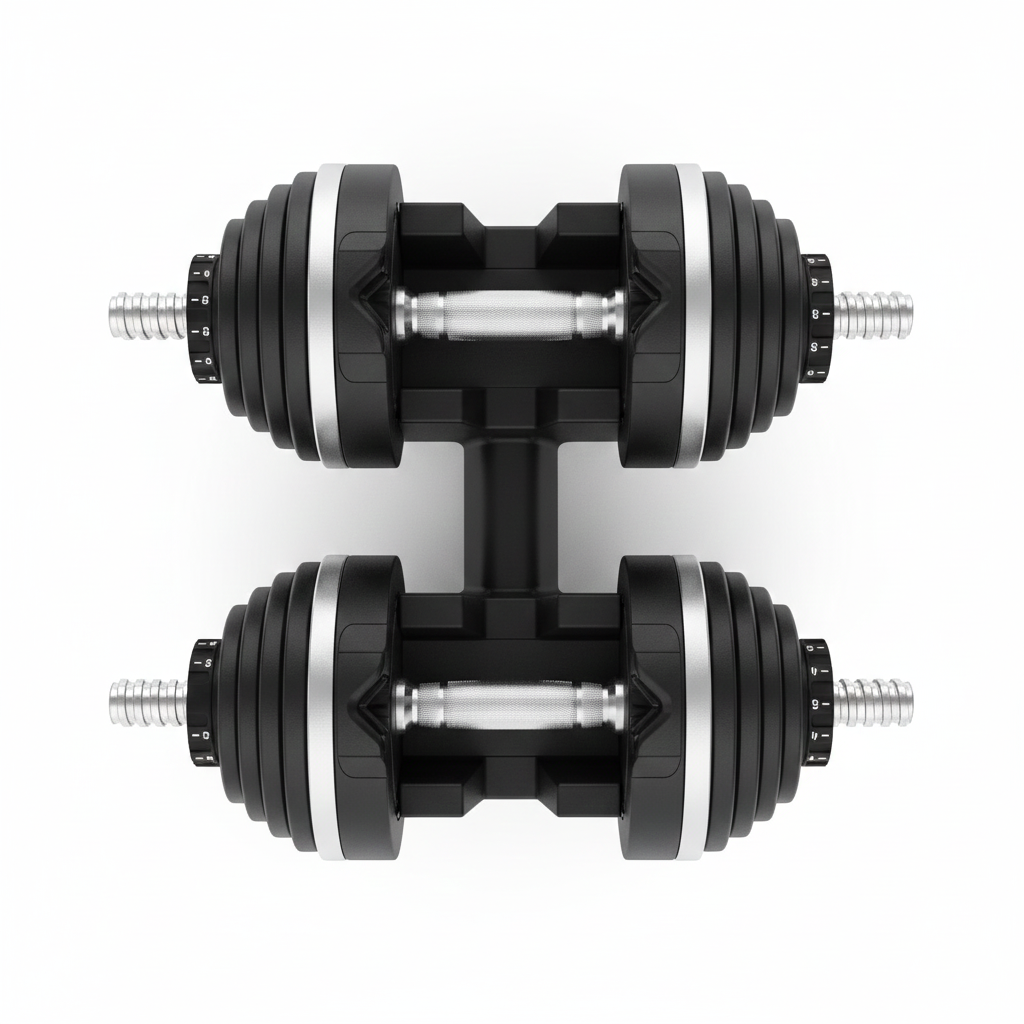
**The York 20kg Cast Iron Spinlock Dumbbell Set** is the workhorse. Two bars, cast iron plates, spinlock collars: adjust each dumbbell from light to 10kg a hand and you have goblet squats, presses, rows, lunges, curls and carries covered. Spinlock adjustment is slower than the fancy dial systems, and for a first month that honestly does not matter; what matters is iron in your hands on day one from a brand that has been making exactly this since your parents were training. When you outgrow 10kg a hand, and if you train consistently you will, that is a lovely problem and my adjustable dumbbells guide covers the dial-adjusted upgrades.
**The Amazon Basics 10kg Cast Iron Kettlebell** adds the conditioning half. Swings, goblet holds, single-arm carries and snatches turn short sessions into genuinely hard ones, which matters in January when time pressure is the next excuse in the queue after distance. A single mid-weight bell is enough; collectors can collect later.
**The ARKMat Heavy Duty Rubber Mats** are the unglamorous piece people skip and regret. Twelve-millimetre rubber protects the floor from dropped iron, stops dumbbells rolling, deadens noise for the people below you, and marks out the gym's territory, which is a real psychological line: once a corner of the room is visibly The Gym, training there stops being a decision and starts being a default.
That trio plus a doorway and a bit of floor is a complete month-one gym. Follow any sensible beginner dumbbell programme, train three times a week, and let the sessions stack up.
What does the first month actually look like?
Three sessions a week, each around thirty minutes, rotating two simple workouts; that is the whole programme, and its simplicity is load-bearing, because a plan you can remember is a plan you cannot use the planning of as an excuse. Call them Session A and Session B and alternate: train Monday, Wednesday, Friday and you will do A twice one week and B twice the next, which is exactly as sophisticated as month one needs to be.
Session A is the push day: goblet squats, floor presses, and single-arm overhead presses with the dumbbells, finished with two or three hard sets of kettlebell swings. Session B is the pull day: Romanian deadlifts and bent-over rows with the dumbbells, lunges or step-ups for the legs, and a loaded carry up and down the hallway with the kettlebell to finish. Three or four sets of eight to twelve controlled reps on each movement, starting lighter than your ego suggests, adding a little load or a rep or two each week. That steady weekly adding, not any single heroic session, is what progress is made of.
Two rules carry the month. First, a shortened session always beats a skipped one: on the days life collapses the half hour down to fifteen minutes, do the first two movements hard and call it done, because the session count is the metric that matters in January. Second, log it somewhere, even a note on your phone: week four's motivation comes from reading week one's numbers and realising the version of you who strained under them has already been replaced.
None of this needs the bench, the bar or the rack, which is precisely the point. The month-one programme is designed to extract everything the starter trio holds, so that when the equipment upgrades arrive they are answering real demands from your training rather than decorating a corner.
Wave two: the bench moment
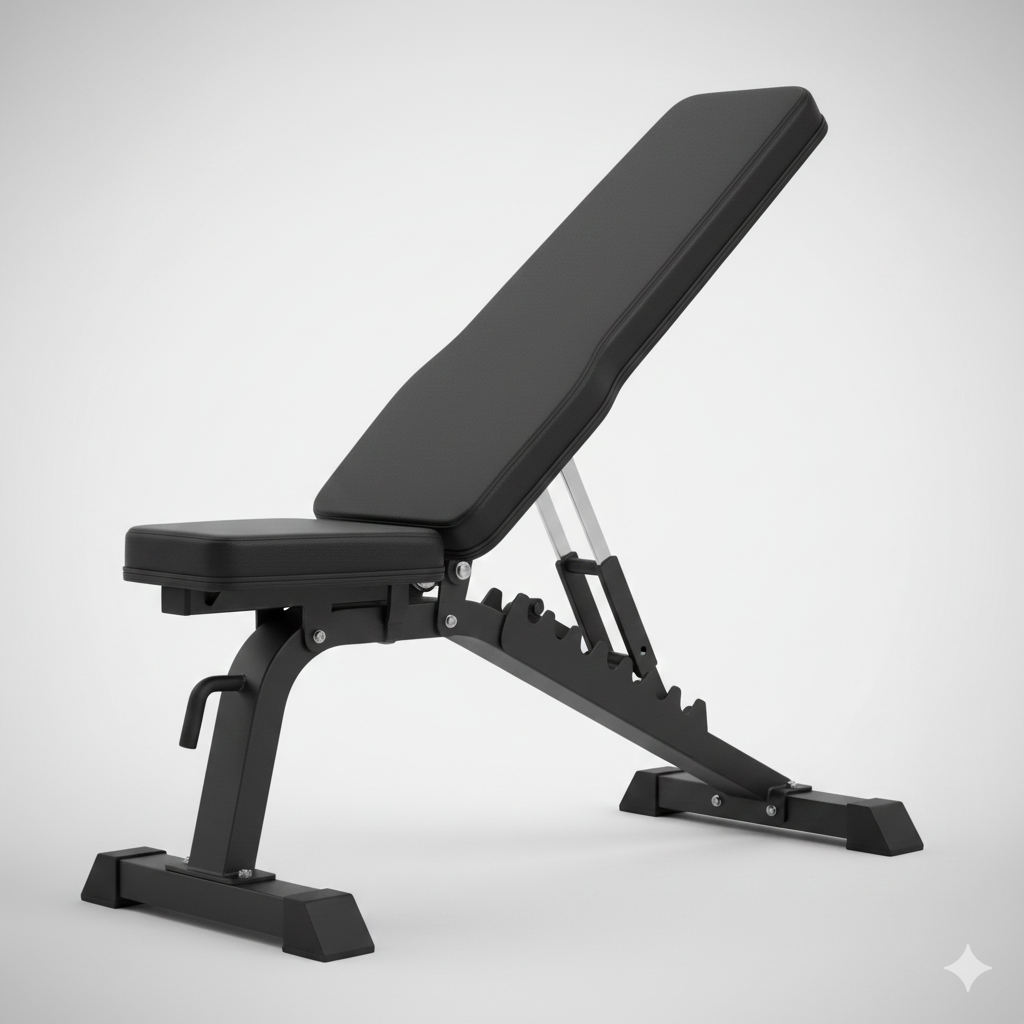
Somewhere around week four or five, consistent trainees hit the same wall: floor presses feel limiting, incline work is impossible, and rows want support. That is the bench moment, and the answer is the Mirafit M150 Adjustable Weight Bench, the same bench I name the best buy for most UK home gyms in my full bench guide. Heavy steel frame, a 260kg total load rating, six backrest positions from flat to upright: it turns your dumbbells into a complete pressing toolkit, and it is the piece of this entire plan you will still be using in ten years. If you find yourself eyeing the decline-capable step-up instead, my Mirafit M150 vs M160 comparison settles that choice.
Wave two's second item is a HAKENO multi-grip doorway pull-up bar, because a month of pressing and squatting leaves vertical pulling as the obvious hole, and nothing fills it as cheaply as a bar in a door frame. If you cannot do a pull-up yet, the bar is still the right buy: dead hangs and jumping negatives are the path, and they need the same bar. My pull-up bar guide covers the doorway-versus-wall-mounted question properly.
Wave three: the rack decision
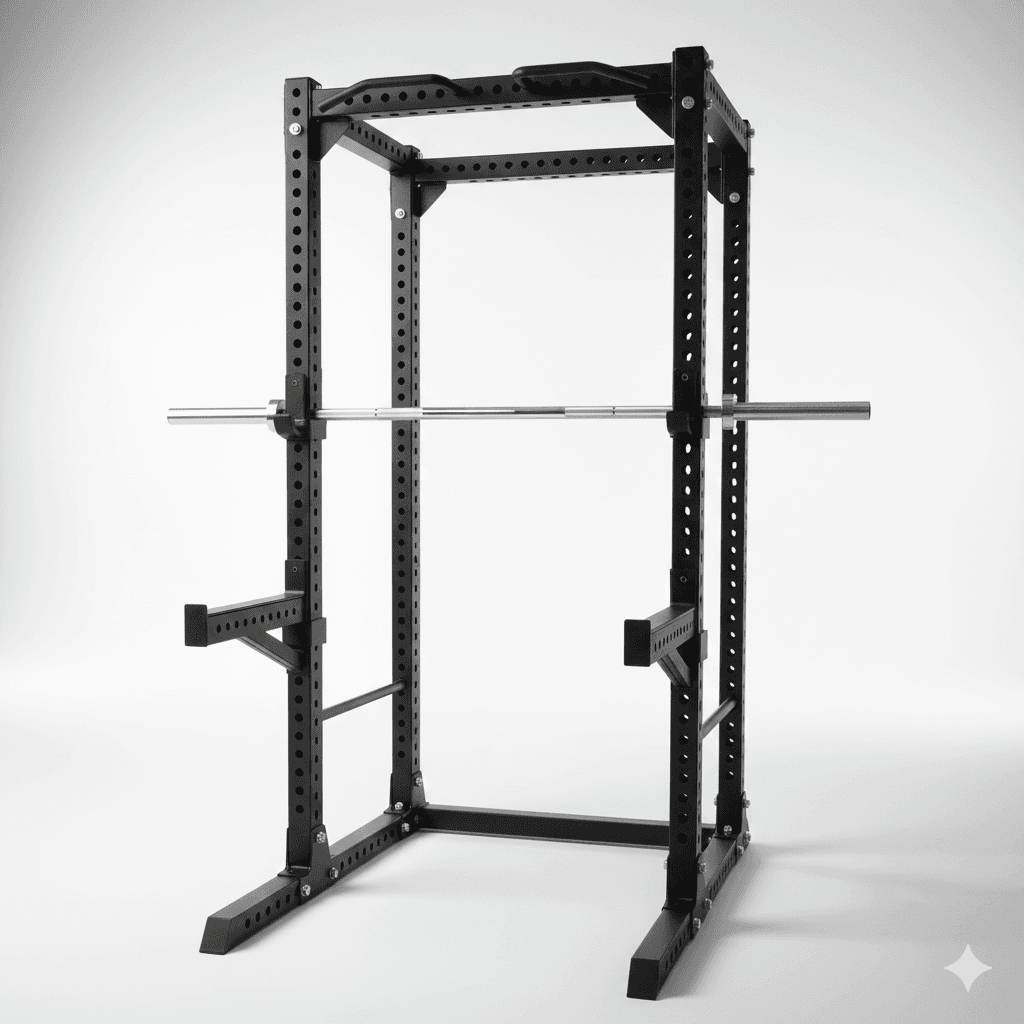
Two or three months in, you will know which kind of trainee you are, and wave three splits accordingly. If dumbbell training is serving you well, wave three is simply heavier dumbbells, and the dial-adjusted sets in my adjustable dumbbells guide replace a whole rack of fixed weights in one footprint. If the barbell is calling, the centrepiece is a rack with safety bars, and the Mirafit M130 squat and bench rack is where I point most people first: spotter catchers for safe solo training, dip handles, and a footprint a garage or large spare room can absorb. The full field, including what to check about ceiling height and flooring first, is in my power rack guide.
Do not buy wave three in January. That is the whole point of the plan. The rack bought in month three gets used for years; the rack bought on January 2nd is the one in the classifieds by summer, and the secondhand listings every spring prove it.
When should you order for a January start?
Order wave one in mid-to-late December, for one practical reason and one psychological one. Practically, the window between Christmas and New Year is the busiest delivery season of the year and dates stretch, so ordering ahead of the rush means the kit is waiting before the first of January rather than arriving mid-month, after the motivation it was supposed to catch has started to cool. A gym that exists on day one captures the New Year energy; a gym that arrives on the 14th of January has already missed two weeks of it.
Psychologically, buying in December is a commitment device. The kit sitting in the corner over the holidays is a promise you have already paid for, and on the first dark Tuesday of January it is easier to keep a promise than to make one. Set the mats down before New Year's Eve. Make the corner exist. Then the first session of the year is a walk across a room.
Where should the gym live?
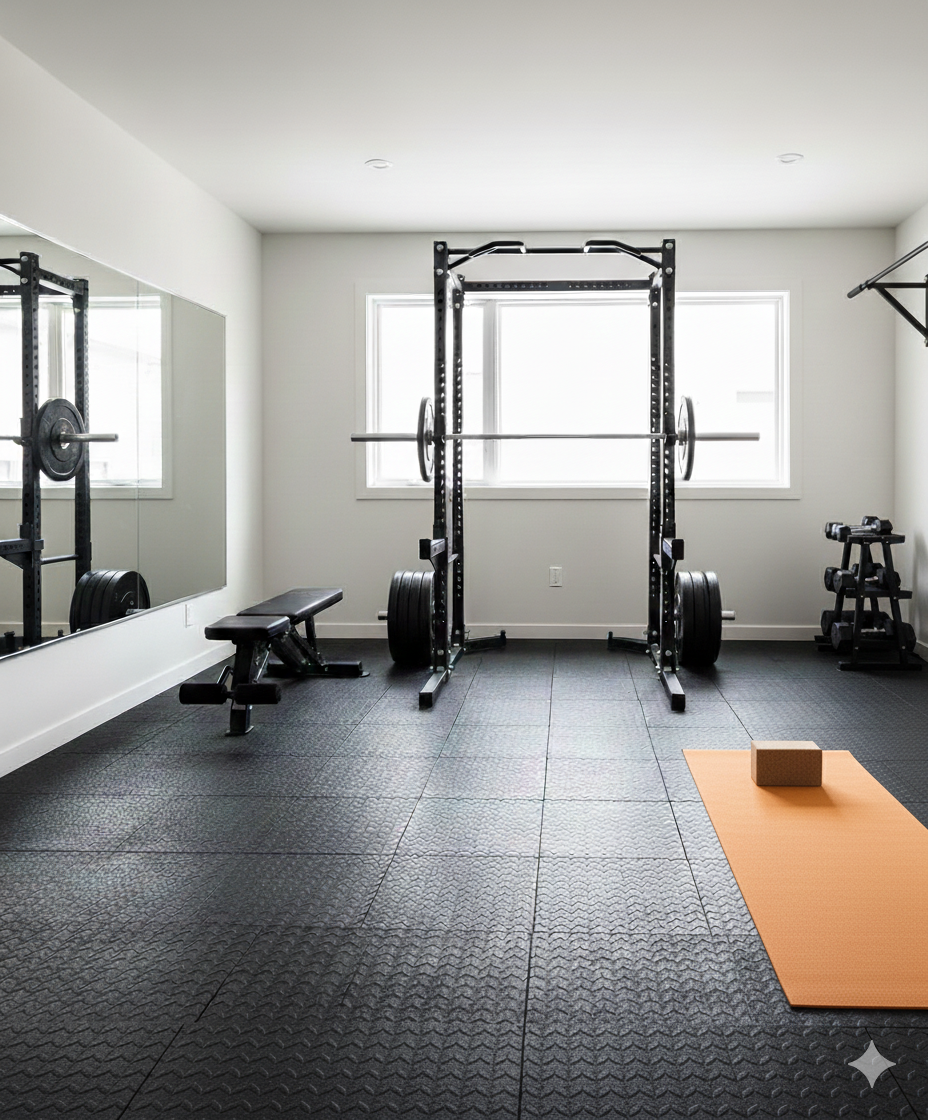
Pick the spot you walk past every day, not the most spacious one, because for habit-building, visibility beats square footage. A dumbbell corner in the spare room you see from the landing outtrains a beautifully equipped garage you have to be cold to enter in January. The starter trio needs roughly a two-metre square of clear floor when training and almost nothing when stored, so nearly any UK home can host wave one. By the time the rack conversation happens, you will be committed enough to earn the garage, and my garage gym setup guide covers insulation, flooring and layout when that day comes. Tight on space at every stage? The small space guide solves gyms for flats.
Where does cardio fit in a January setup?
For month one, your cardio is kettlebell swings, loaded carries and walking, and that is a deliberate choice rather than a compromise. Swings performed hard in sets are brutally effective conditioning, carries work the heart alongside the grip and trunk, and a daily walk costs nothing while the strength habit beds in. Buying a big cardio machine in January means placing the two most abandonment-prone bets, the new habit and the expensive machine, on the same dark month, and the spring classifieds are full of how that tends to go.
If, by March, conditioning has become the part of training you genuinely love, buy the machine then, deliberately, with three months of self-knowledge behind the decision: the exercise bike guide and rowing machine guide are the places to start, and a rower in particular pairs beautifully with a strength habit. Cardio equipment rewards the committed magnificently. It just should not be asked to create the commitment.
What to avoid in January
The single-weekend full build. The all-at-once gym is the signature January mistake: maximum outlay at minimum information, purchased by the most motivated version of you to be used by the least. Stage the spending behind the sessions.
Equipment as motivation. If the plan is that spending money will make you train, the plan is already broken. The trio is cheap on purpose: the sessions create the commitment, and the equipment then rewards it.
The treadmill reflex. January's default purchase is big cardio, and it is also January's most abandoned purchase. If cardio is genuinely your goal, pick it deliberately through my exercise bike or rowing machine guides rather than defaulting to the heaviest, most expensive habit bet in the shop.
No-name marketplace iron. January is peak season for anonymous listings with spectacular claims. Weights and the things that hold them are safety equipment; buy from brands with reputations, which is exactly what every pick above is.
FAQ
What home gym equipment should a beginner buy first in the New Year? Start with adjustable dumbbells, one kettlebell and rubber floor mats. That trio covers squats, presses, rows, lunges, swings and carries, which is every pattern a beginner programme needs, for less than a year of gym membership. Add a bench and a pull-up bar after the first month of consistent training, and only consider a rack once the habit is proven.
Is January a good time to set up a home gym? It is the best time, provided you stage the spending. The New Year energy is real fuel, and a home gym removes the commute and queue excuses that kill resolutions. The trap is spending three months of budget on day one; build in waves and January motivation converts into a gym that is still used in June.
How much space does a New Year home gym need? About a two-metre square of clear floor for the first wave, which almost any UK spare room, garage corner or living room can offer. The equipment itself stores in a corner or a cupboard. Space only becomes a real constraint at the rack stage, months in, by which point you will know whether the gym has earned a bigger footprint.
Should I buy a rack and barbell in January? Only if you are returning to barbell training rather than starting fresh. For new trainees the rack bought in January is the classic abandoned purchase; prove the habit with dumbbells for two to three months first, then buy the rack as an informed upgrade rather than a motivated guess.
What I'd Buy Today
For a January start, my order is the York 20kg spinlock set, the Amazon Basics kettlebell and the ARKMat rubber mats, delivered before the year turns. It is a modest pile of kit that carries a whole transformation inside it: every session you would have skipped for the commute, done in the time the drive used to take, in a corner of your own home that slowly becomes the most valuable square metre in the house.
Start the year by walking across a room. The iron will take care of the rest.
Get the York 20kg Dumbbell Set on Amazon
As an Amazon Associate, we earn from qualifying purchases.
Products Mentioned in This Guide
Frequently Asked Questions
Related Guides
Find Your Perfect Equipment
Expert guides for racks, barbells, plates, benches, and more. Build your home gym the right way.
Browse All Guides