Garage Gym Setup: Complete UK Guide

Thirty years of training at home. Built multiple home gyms from bare garages to proper setups. I know what equipment lasts, what breaks, and what becomes an expensive clothes rack.
Just so you know, some links on this page are affiliate links. If you buy something via them, we get a small kickback. You don't pay more, but it helps toward the next bit of kit.
Looking for more equipment recommendations?
Browse All GuidesBuilding my garage gym took 6 months of planning and one weekend of actual work. The planning was essential. we've seen people waste thousands on equipment that doesn't fit, flooring they regret, and heating they never solved.
The essentials: Start with rubber flooring tiles and a Mirafit M130 squat rack. Those two get you lifting safely for under £300. The rest of this guide covers everything else.
The Quick Numbers
| Setup Level | Budget | Space Needed |
|---|---|---|
| Basic | £1,500-2,500 | 2.5m x 2.5m |
| Mid-range | £3,000-5,000 | 4m x 4m |
| Premium | £8,000+ | 5m x 6m |
Standard UK single garage: approximately 5m x 2.5m = just enough for basic setup with careful planning.
Standard UK double garage: roughly 5m x 5m = plenty for mid-range setup.
Step 1: Measure Everything (Twice)
Most garage gym regrets start with bad measurements.
Floor space: Walk through your garage with a tape measure. Mark where the car goes (if keeping it), where storage lives, where you'll walk.
Ceiling height: Power racks need 2.2m minimum. Pull-ups need your height + 30cm + bar thickness. Standard UK garages are around 2.4m, which is tight but workable.
Door clearance: Can a rower fit through? Will the rack clear when you roll it in?
My mistake: I assumed a 7ft Olympic bar (2.2m) would fit across my 2.5m wide garage. It does, but with 15cm each side. Loading plates is awkward. Should have bought a 6ft bar.
Step 2: Flooring First
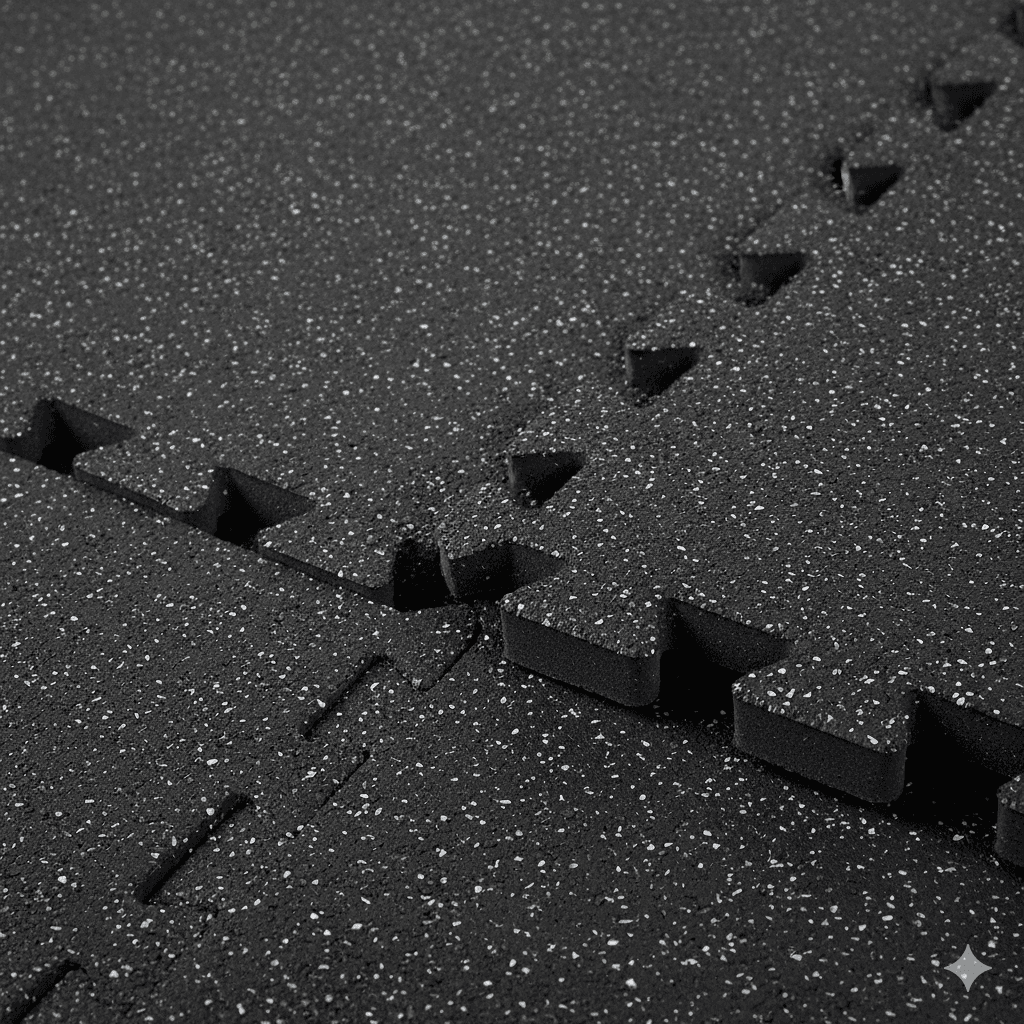
Lay flooring before anything else. Moving equipment later is miserable.
The Options
| Type | Cost (per m²) | Thickness | Notes |
|---|---|---|---|
| Horse stall mats | roughly £30 | 15-20mm | Best value, heavy, may smell initially |
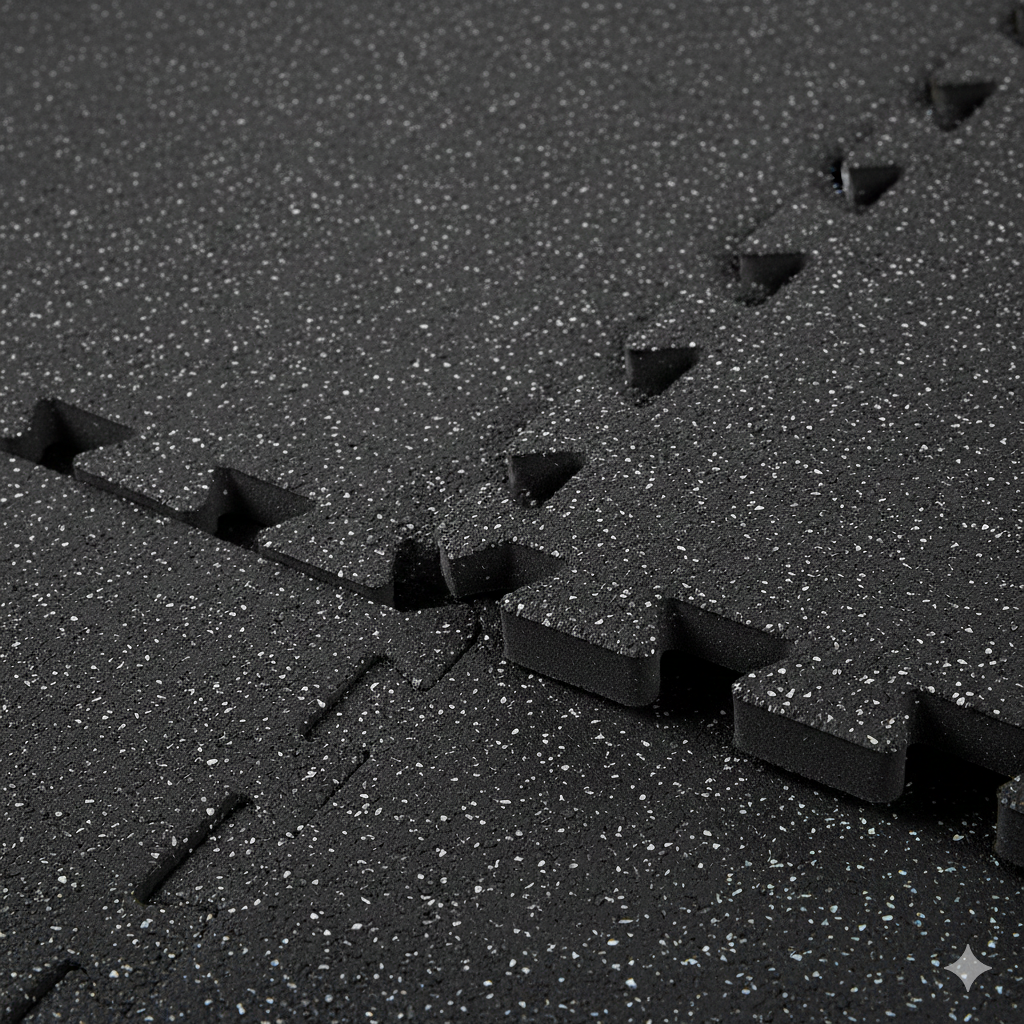
| Rubber gym tiles | roughly £40-60 | 15-25mm | Purpose-made, interlock, no smell |
| Puzzle mats | roughly £20 | 10-15mm | Cheap, but wear out, not for dropping |
Our recommendation: Arkmat Rubber Flooring for interlocking tiles that handle dropped weights. Or horse stall mats from agricultural suppliers if you're on a budget. Same thing, less marketing. *(Price when reviewed: approximately £100 | Check Price on Amazon)*
Cover the whole floor. Patchy flooring looks bad and you'll regret it when you want to add equipment later.
Step 3: Core Equipment
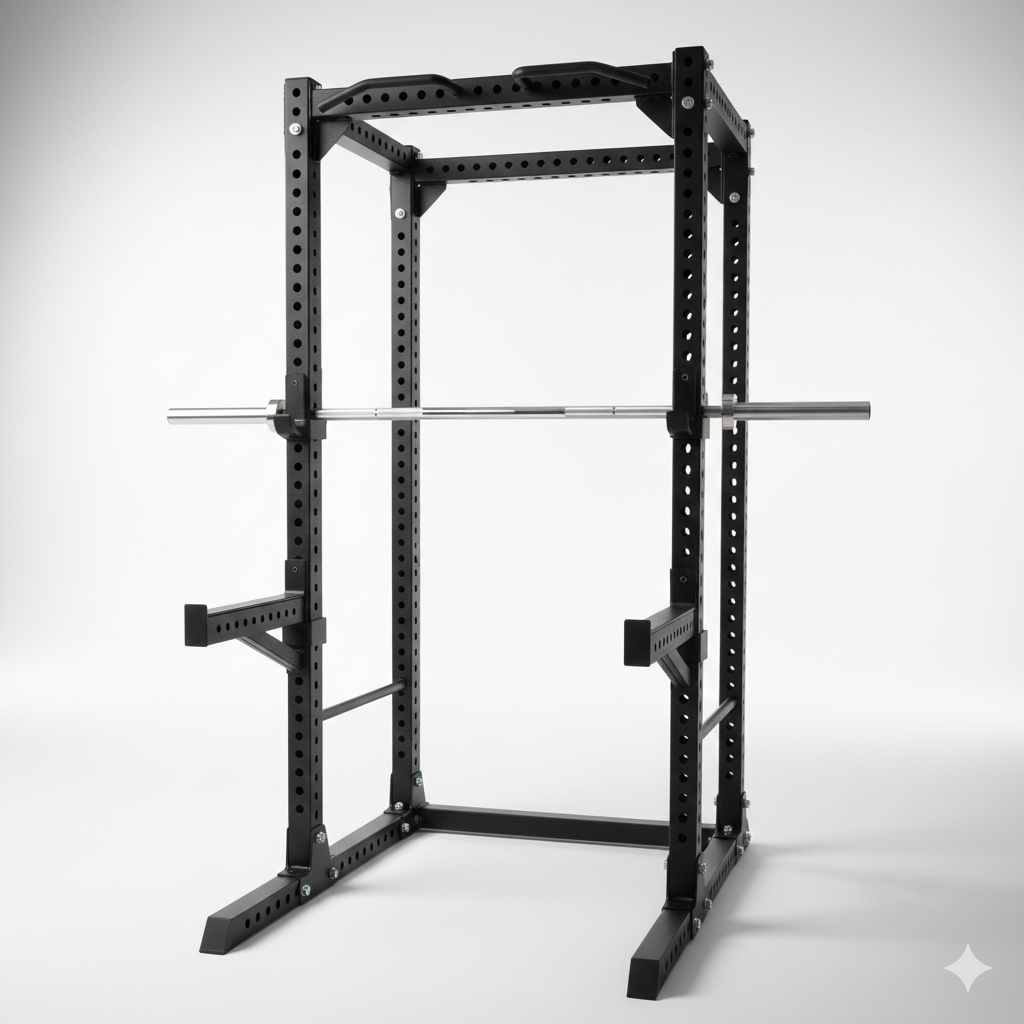
Power Rack
The centrepiece. Get this right.
| Option | Capacity | Notes |
|---|---|---|
| Mirafit M130 | 250kg | Dip bars included, great value |
| GORILLA SPORTS | 300kg | More capacity, adjustable width |
Either handles 99% of home lifters. Full cages are sturdier but cost more and need more space.
Barbell and Plates
Strongway Olympic 50KG Set includes a 20kg Olympic bar and 30kg of plates. Good starting point. *(Price when reviewed: roughly £200 | Check Price on Amazon)*
Plates hold value. Buy more as you progress. Check Facebook Marketplace - used plates sell at 80% of new prices and work identically.
Bench
The Mirafit M150 fits inside most rack widths and handles heavy loads. Six angles, solid construction. *(Price when reviewed: around £150 | Check Price on Amazon)*
Cardio (If Space Allows)
| Option | Space (in use) | Storage |
|---|---|---|
| Concept2 RowErg | 2.5m x 0.6m | Folds upright |
| JLL IC300 PRO bike | 1.2m x 0.5m | Transport wheels |
The Concept2 is the gold standard if budget allows. The JLL is perfectly fine if it doesn't.
Step 4: Climate Control
UK garages are freezing in winter and occasionally brutal in summer.
Heating
Portable electric heaters: Work for most garages. Run one for 10 minutes before training, turn off during. approximately £30-50.
Infrared panels: Heat you directly, not the air. Efficient for large spaces with poor insulation. roughly £100-200.
The real fix: insulate the garage door. Most heat escapes through the door. Insulation kits cost around £50 and make more difference than any heater.
Cooling
Open the door. A standing fan for still days. That's it for the UK.
Step 5: Lighting
Most garages have one sad bulb. You need more.
LED shop lights are cheap (£20-30 each) and bright. Mount 2-3 across the ceiling for even coverage.
Colour temperature: 5000K or higher (cool white). Warmer light is for bedrooms, not gyms.
Placement matters: Light directly above the rack creates shadows that make it hard to see the bar path in a mirror. Position lights slightly forward of the rack, angled back. Two lights flanking the rack width work better than one centred above it.
Step 6: Making It a Space You Want to Use
The difference between a garage gym you use five days a week and one you abandon by February is atmosphere. Practical additions that cost very little:
Sound system. A waterproof Bluetooth speaker (20-40 pounds) mounted on a shelf. Music changes the energy of a session completely. Wired speakers are cheaper but limit placement. Bluetooth lets you control everything from your phone.
Mirror. A 1.5m x 0.6m mirror on the wall opposite the rack (50-80 pounds from Ikea or a local glass merchant). Functional for form checking on squats and presses. Also makes the space feel larger and more intentional.
Whiteboard or clipboard. Write your programme where you can see it. Not on your phone (you'll get distracted). A 3-pound whiteboard on the wall with your current week's sessions saves time between sets and keeps focus on the training rather than scrolling.
Flooring colour. Black rubber tiles look professional and hide chalk marks. Grey tiles show dust more but make the space feel brighter. This is purely aesthetic but affects whether the garage feels like a gym or a storage unit with weights in it.
Personal touches. A flag, a poster, a photo of a goal. Something that makes the space yours rather than just functional. These cost nothing and change how the room feels when you walk in. The garage gym is the one room in the house that's entirely built around what you want to do. Make it feel that way.
Full Budget Breakdown
Basic Setup (approximately £1,800)
| Item | Cost |
|---|---|
| Power rack | £150 |
| Barbell + 50kg plates | £200 |
| Additional plates (50kg) | £150 |
| Adjustable bench | £150 |
| Rubber flooring (10m²) | £400 |
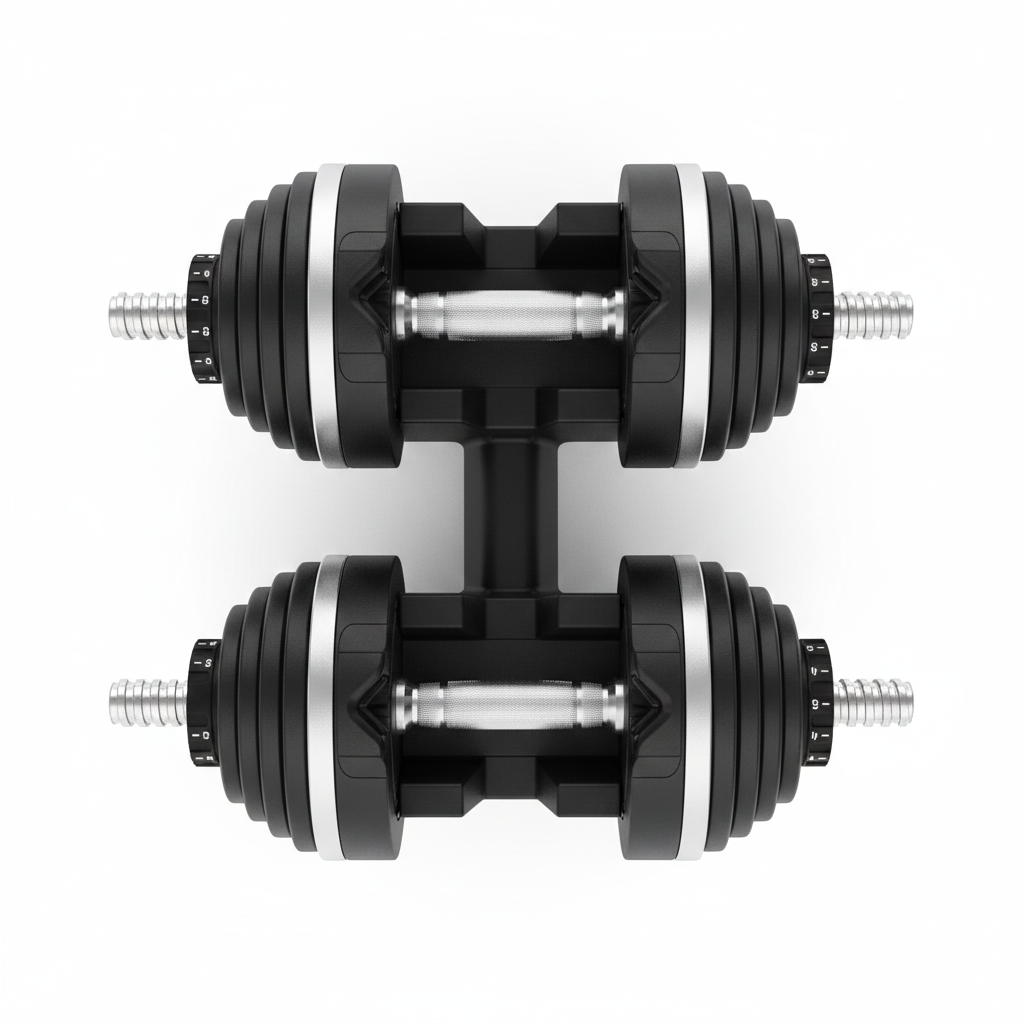
| Dumbbells (adjustable) | £200 |
| Accessories (mat, bands, chalk) | £50 |
| Heater | £50 |
| Lighting | £50 |
| Total | roughly £1,400 |
Mid-Range Setup (roughly £3,500)
Add to basic: - Quality cardio (Concept2 or bike): £500-1,000 - More plates: £200 - Mirrors: £100 - Better lighting: £100 - Sound system: £100
Common Mistakes
Buying before measuring. Equipment that doesn't fit is useless.
Forgetting ceiling height. Can't do overhead press if your bar hits the ceiling.
Skipping flooring. You'll regret it within a month. The concrete is brutal.
Starting with machines. Free weights first. Machines later, if ever.
No plate storage plan. Plates on the floor are trip hazards and look terrible.
Ignoring climate. A frozen garage kills motivation. Solve heating before winter.
My Setup
- Mirafit M3 power rack - 7ft Olympic bar + 150kg plates - Mirafit M150 bench - 20mm rubber flooring throughout - Adjustable dumbbells (2-32kg) - Concept2 rower - 16kg and 24kg kettlebells - Pull-up bar, rings, bands
Total invested over 2 years: around £2,800. Would cost approximately £5,000+ at today's prices (inflation hit gym equipment hard).
Worth every penny. We train more consistently than I ever did with a gym membership. The difference isn't just convenience. It's ownership. Every piece of equipment was chosen deliberately, placed where it works best, and maintained because it's ours. The session starts when I walk through the door, not when I find parking. The music is what I want, the temperature is what I've set, and nobody is curling in the squat rack.
If you're weighing up whether a garage gym is worth the investment, the answer from everyone who's built one is the same: the only regret is not doing it sooner.
Phase Your Build: Don't Try to Do It All at Once
Most people make the mistake of trying to complete their garage gym in one weekend. Better approach: build in three phases over 6-12 months.
Phase 1 - The Functional Foundation (roughly £700-900): - Flooring (entire space) - Power rack - Barbell + 50-60kg plates - Basic lighting
This gets you training. Bench press, squats, deadlifts, overhead press. Everything else is refinement.
Phase 2 - Increase Variety (around £600-800): - Adjustable bench - Adjustable dumbbells - More plates (add 40-60kg) - Pull-up bar or rings
Now you have a complete strength setup. Free weights, dumbbells, rings. No machine can replace what this covers.
Phase 3 - Quality of Life (approximately £500-1,200): - Cardio equipment (rower or bike) - Mirror(s) - Sound system - Better heating/insulation - Plate storage / J-hook upgrades
Phase 3 is about making the space enjoyable. The training was complete after Phase 2.
Plate Storage: Plan This Upfront
Plates on the floor are a trip hazard and genuinely annoying. Sort storage before your first serious session.
Vertical plate rack: roughly £50. Keeps plates upright and accessible. Takes up 0.5m x 0.3m floor space. Worth it.
Wall-mounted storage: Most power racks have storage pegs included. Use them. Horizontal storage wastes floor space.
Weight tree: Separate free-standing unit, around £40. Convenient if your rack is in a tight space.
Don't buy equipment before you have somewhere to store it.
Garage Floor: What to Do About the Drain
Most UK garages have a central drain or sloped floor. This matters for:
Equipment stability: A level surface is essential for barbell work. Shim under rack feet if needed - rubber wedges or wooden boards work fine.
Flooring cuts: Rubber tiles need to fit around the drain. Leave it accessible (you might need it if the car still parks there occasionally).
Water ingress: If your garage floods in heavy rain, elevated platform options exist - bolt-together wooden platform covered with rubber. More work, but essential in flood-prone areas.
The Garage vs Spare Room Question
If you're choosing between garage and spare room, here's the honest breakdown:
| Factor | Garage | Spare Room |
|---|---|---|
| Noise (dropping weights) | Fine | Disturbs household |
| Climate control | Challenging | Easy |
| Smell/mess | Stays contained | In living space |
| Space | Usually more | Usually less |
| Bar loading clearance | Rarely an issue | Often an issue |
Garages win for serious lifting. Spare rooms work better for dumbbell-focused or quiet training.
Year-Round Use in the UK
The reason most UK garage gyms see seasonal abandonment isn't the equipment or the layout. It's the temperature. A garage that works perfectly in September becomes genuinely unpleasant by December and often unusable by January without intervention.
Winter (October-March): The garage door is the main heat loss surface. An insulation kit (40-60 pounds, foam panels that stick to the inside of the door) reduces heat loss by roughly 40%. This single upgrade makes more difference than any heater.
After insulating the door, a 2kW fan heater running for 15 minutes before your session brings most single garages to a workable temperature. Switch it off once you start training, as your body heat and the insulated space will maintain enough warmth. Total electricity cost per session: roughly 15-20 pence.
For serious cold (below zero), consider a propane cabinet heater. These produce more heat than electric options and don't need a power socket. Budget 60-80 pounds for the heater and 15 pounds per gas bottle (each lasts roughly 20-30 sessions). Keep a carbon monoxide detector in the garage if using gas heating. Non-negotiable.
Summer (June-August): Open the main door for airflow. A large standing fan (30-40 pounds) pointed at your training area handles most UK summer temperatures. The garage stays cooler than outdoor training because of the roof shade.
On genuinely hot days (above 28 degrees), train early morning or after 7pm. These sessions often become the best of the year because the evening light through an open garage door is one of the small pleasures of a home gym.
The damp problem: UK garages are naturally damp. Temperature swings between day and night cause condensation on metal surfaces. Without management, a brand-new barbell develops surface rust within 3-4 months. A basic dehumidifier (40-60 pounds) running on a timer for 2-3 hours after your session keeps humidity below 60% and prevents almost all rust damage.
Security Considerations
A garage full of gym equipment is an attractive target. A mid-range setup represents 2,000-4,000 pounds of easily portable steel and iron.
Lock upgrades. Standard UK garage locks are weak. A ground anchor with a padlock (30-50 pounds) is the minimum. Defender locks that cover the handle mechanism add another layer. If your garage has a side door, fit a deadbolt.
Lighting. A motion-sensor light above the garage door (20 pounds) deters casual opportunists. Solar-powered options need no wiring.
Insurance. Check your home contents insurance covers garage contents. Many standard policies exclude garages or cap the value at 500-1,000 pounds. A phone call to your insurer and a small premium increase (typically 20-40 pounds per year) can cover the full replacement value. Photograph and list your equipment with serial numbers for the claim record.
Visibility. If your garage door has windows, consider frosted film (10 pounds per sheet). Out of sight, out of mind. The most common garage theft in the UK is opportunistic, not planned. Someone walking past who can't see what's inside is unlikely to try the door.
Rust Prevention and Equipment Care
UK garage environments are hard on metal equipment. The combination of cold, damp air and sweat creates perfect conditions for rust. A few simple habits prevent most damage.
After every session: Wipe down barbell knurling and sleeves with a dry cloth. Sweat is corrosive. This takes 30 seconds and is the single most effective maintenance habit.
Monthly: Apply a thin coat of 3-in-1 oil to barbell sleeves and spin them to work it into the bearings. Wipe excess off. Check cast iron plates for surface rust and hit any spots with a wire brush and WD-40 before they spread.
Seasonally: Tighten all rack bolts (they loosen with temperature cycling). Check bench upholstery for tears that let moisture into the padding. Inspect cables and pulleys on any cable equipment for fraying.
Environmental controls: Run a dehumidifier on a timer (2-3 hours after your last session). Keep rubber flooring clean and dry underneath. A small thermometer and hygrometer (10 pounds) lets you track conditions and respond before rust takes hold. Target: below 60% relative humidity.
Common Setup Mistakes
Buying equipment before sorting the floor. A rubber gym mat is not optional for a garage gym. Concrete is hard, cold, and unforgiving for dropped weights. Even a single dropped dumbbell leaves a chip mark that becomes the first in a long line. Lay rubber tiles or a horse stall mat before anything else arrives.
Not accounting for UK winter temperatures. A garage gym that's 2 degrees in January is a gym you won't use in January. This is the primary reason UK garage gyms go unused for 3-4 months a year. A wall-mounted propane heater (60-80 pounds) with an automatic shut-off is the single most important comfort upgrade for a year-round UK garage gym.
Buying a rack before confirming ceiling height. Most power cages are 2.1-2.3 metres tall. Most UK residential garages have 2.1-2.4 metre ceilings after the floor mat adds height. Measure before ordering.
Frequently Asked Questions
How much does it cost to set up a home garage gym in the UK?
A functional garage gym with enough equipment for serious training costs 600-1,200 pounds depending on new vs used. Rough breakdown: rubber floor tiles (80-120 pounds), barbell and 60-80kg of plates second-hand (100-150 pounds), squat stands or half rack (200-350 pounds), adjustable dumbbells or kettlebell set (80-120 pounds), pull-up bar (20-40 pounds), bench (80-120 pounds). Total: 560-900 pounds. Premium versions with a full power cage run 1,200-2,000 pounds.
Is a garage gym worth it compared to a gym membership?
For people who train 4-plus times per week, almost certainly yes within 18 months. At 40 pounds per month for a typical UK gym, annual cost is 480 pounds. A 900-pound garage gym setup breaks even in under two years. After that, training is essentially free. The freedom to train at any hour without travel, use equipment without waiting, and train at your own volume makes many people train more frequently once they have a home setup.
What equipment should I prioritise for a garage gym?
In order of versatility per pound: (1) barbell and weight plates -- the most movement variety for the cost; (2) pull-up bar or rig attachment -- adds pulling movements the barbell can't cover; (3) adjustable bench -- unlocks pressing, rowing, and incline work; (4) kettlebells -- adds conditioning and movements dumbbells don't replicate. A squat rack is transformative but expensive; start with safety strippers or a spotter setup if budget is tight.
Do I need to tell my insurer about a garage gym?
Yes. Most standard home contents policies either exclude garage contents or set a low sub-limit (typically 500-1,000 pounds). Adding specified items or increasing the garage contents limit costs 20-40 pounds per year and means your 2,000-pound setup is actually covered if something happens. Keep a list of equipment with approximate values and photographs. Without this, a claim will be difficult even with the right policy.
How do I keep a UK garage gym dry?
UK garage gyms face two moisture issues: condensation from temperature swings and direct water ingress from old garage doors and walls. Rubber flooring helps with condensation damage to the floor. A dehumidifier running a few hours after sessions prevents equipment rust. Wipe down barbells and weight plates after use and apply a light coat of 3-in-1 oil every few months to the barbell sleeve bearings. Cast iron plates rust faster than chrome or rubber-coated options -- factor that in when buying.
The Result of Getting It Right
A garage gym that works -- properly floored, adequately heated, organised so equipment is accessible rather than piled -- becomes genuinely more useful than most commercial gyms for regular training. No peak-hour queuing. No drive. No time slot. The ability to train at 11pm or 5:30am without anyone caring.
The upfront effort of building it properly pays off for years. Every session in a functional garage gym is better than its equivalent at a facility you have to commute to. Get the basics right and the space pays for itself in training that would never have happened otherwise.
The first time you finish a session at midnight because the day got away from you, or at 6am because you woke up early and felt like it, you'll understand why people build these things. The gym is yours. It's always open. Nobody is waiting for the rack. The barbell is where you left it, loaded to where you left off. That removes the last excuse between you and the session.
As an Amazon Associate, we earn from qualifying purchases.
Products Mentioned in This Guide
Frequently Asked Questions
Related Guides
Find Your Perfect Equipment
Expert guides for racks, barbells, plates, benches, and more. Build your home gym the right way.
Browse All Guides