Treadmill vs Elliptical: Which is Better for Home Gyms?

Thirty years of training at home. Built multiple home gyms from bare garages to proper setups. I know what equipment lasts, what breaks, and what becomes an expensive clothes rack.
Just so you know, some links on this page are affiliate links. If you buy something via them, we get a small kickback. You don't pay more, but it helps toward the next bit of kit.
Looking for more equipment recommendations?
Browse All GuidesBoth sit in the same aisle at the gym. Both get used for cardio. Both cost similar amounts for home gym versions. Yet they are meaningfully different machines for meaningfully different people, and picking the wrong one is one of the most common expensive home gym mistakes.
This guide cuts through the noise. I'll tell you exactly who should buy which.
Quick Picks
| Category | Top Pick | Best For | |
|---|---|---|---|
| Treadmill | JLL Pegasus | Running at home | Check Price on Amazon |
| Budget Treadmill | ProForm Carbon TLX | Folding, incline | Check Price on Amazon |
| Elliptical | JLL CT300 | Low-impact cardio | Check Price on Amazon |
| Premium Elliptical | Reebok GX50 | Gym-quality at home | Check Price on Amazon |
Prices shown are approximate at time of review. Click "Check Price on Amazon" for current pricing.
The Short Answer
Get a treadmill if: you run or walk as your primary exercise, you want an indoor equivalent of outdoor running, or you need incline training for weight loss.
Get an elliptical if: you have joint concerns, you want low-impact full-body cardio, you live in a flat (quieter), or you want a machine the whole household can use regardless of fitness level.
Get both if: you have the budget and space - they complement each other rather than duplicate.
The Key Differences
| Treadmill | Elliptical | |
|---|---|---|
| Joint impact | High (running = 2-3x body weight per stride) | Zero (feet never leave the pedals) |
| Muscles worked | Primarily lower body | Upper and lower body simultaneously |
| Calorie burn (30 min moderate) | roughly 300-400 kcal | roughly 270-370 kcal |
| Noise | High - impact transmitted through floors | Low - magnetic resistance, no impact |
| Space required | Roughly equal (roughly 180cm x 70cm) | Roughly equal (roughly 175cm x 65cm) |
| Skill required | None | None |
| Learning curve | None | Minimal (stride feels slightly unfamiliar at first) |
Joint Impact: The Biggest Difference
This is where the machines diverge most dramatically, and it is the most important factor for the majority of home gym buyers.
Running on a treadmill creates impact forces of two to three times your body weight on your knees, hips, and ankles with every single stride. Do that 5,000 times in a 30-minute session and you understand why running injuries are so common. The treadmill does nothing to reduce this - it is simply running indoors.
An elliptical produces zero impact. Your feet stay in contact with the pedals throughout the entire stride cycle. There is no footstrike, no landing force, no jarring. For anyone with existing joint concerns - knees, hips, ankles, lower back - this is not a minor benefit. It is the difference between being able to train and not being able to train.
The practical implication: If you are over 40, have any history of joint problems, or simply want a cardio machine you can use daily without accumulating wear on your joints, the elliptical is the safer long-term choice. The slightly lower calorie burn is irrelevant if the treadmill eventually forces you off it with an injury.
Calorie Burn: Closer Than You Think
Treadmills have a modest calorie burn advantage - roughly 10-15% at matched effort for most people. Running burns slightly more because you are carrying your full body weight against gravity rather than being supported by the pedals.
In practice, this gap closes significantly because: - Elliptical users can often train longer per session (less joint fatigue) - The upper body engagement on an elliptical adds meaningful additional calorie burn - At walking pace on a treadmill, the elliptical advantage essentially disappears
A 75kg person running at moderate intensity burns around 350-400 kcal in 30 minutes on a treadmill. The same person on an elliptical at matched perceived effort burns around 300-360 kcal. For most people training for general health and fitness, this difference is negligible.
Muscle Engagement
Treadmills work the legs and engage the core for stabilisation. The arms swing naturally but are not loaded.
Ellipticals with moving arm handles, which includes all three machines in the best elliptical UK guide - actively work the shoulders, arms, and upper back in addition to the legs. The push-pull motion is light but cumulative over a 30-minute session.
This makes the elliptical a more genuinely full-body cardio tool. Whether that matters to you depends on your training goals. If you do separate strength work and just want pure leg and cardiovascular conditioning, the treadmill is fine. If you want cardio that contributes to overall muscle endurance and burns more total calories through upper body involvement, the elliptical has an edge.
Noise and Apartment Suitability
This matters enormously in UK homes, particularly flats.
A treadmill is loud. Each footstrike creates impact noise that transmits through the floor to whoever is below you. Even "quiet" treadmills create a rhythmic thumping at running pace that is clearly audible through ceilings. Running at 6am in a flat is genuinely inconsiderate.
An elliptical on magnetic resistance is nearly silent. The pedal motion produces no impact noise. The only sound is a gentle whirring from the flywheel. Training at 6am in a flat is entirely reasonable.
If you live in a flat, or have young children in the house, or share walls with neighbours: this single factor may make the decision for you.
Space: A Draw
Both machines occupy roughly similar floor space - around 175-180cm long by 65-70cm wide. Folding treadmills like the JLL Pegasus reduce their footprint when stored. Most ellipticals do not fold.
If space is very limited, a folding treadmill has the edge in storage. If space is not an issue, they are essentially equivalent.
Price Comparison
At equivalent quality levels, prices are comparable.
| Budget | Treadmill | Elliptical |
|---|---|---|
| Entry | roughly £499 (JLL Pegasus) | roughly £259 (JLL CT300) |
| Mid | roughly £699 (NordicTrack EXP 7i) | roughly £349 (Marcy C80) |
| Upper mid | roughly £999 (Sole F63) | roughly £549 (Reebok GX50) |
Ellipticals are consistently cheaper than treadmills at equivalent quality levels. A £350 elliptical delivers a genuinely usable training machine. A £350 treadmill is a compromise that many people regret.
Who Should Buy a Treadmill
- You run regularly outdoors and want a weather-independent indoor option - Walking is your primary exercise method - You use incline walking for weight loss (the 12-3-30 method and similar) - You are training for a running event and need consistent indoor miles - You do not have joint concerns
See the best treadmill UK guide for specific recommendations.
Who Should Buy an Elliptical
- You have knee, hip, ankle, or lower back concerns - You live in a flat or have neighbours below you - You want full-body cardio that engages arms and shoulders - You want a machine your whole household will actually use - You want an entry point to regular cardio without running impact - You find running on a treadmill boring and want a different motion
See the best elliptical cross trainer UK guide for specific recommendations.
The Most Common Mistake
People buy treadmills because treadmills feel like "real" exercise. Running is intuitive, measurable, and familiar. The elliptical feels slightly alien at first - the gliding motion takes a session or two to feel natural.
The result: plenty of people buy treadmills, find the impact too punishing after a few weeks, and stop using them. The treadmill becomes a clothes rack. They would have trained consistently on an elliptical.
Be honest about your body and your history. If you have had knee pain, back pain, or hip issues, or if you are in the 40+ age bracket where joint wear starts to accumulate - the elliptical is not the "easier" option. It is the smarter option that keeps you training long-term.
My Recommendation
If you are genuinely unsure: start with an elliptical. The lower joint impact means you are far less likely to injure yourself out of using it. The JLL CT300 is a low-risk entry point. If you discover you hate the elliptical motion, you have not lost much. If you love it, upgrade.
If you already run and want to run indoors: get a treadmill. The elliptical is not a running substitute for runners - it is a different movement pattern entirely.
If you have joint concerns of any kind: get an elliptical. This is not a close call.
Training Differences in Practice
The choice between machines affects not just muscles but how you actually train day to day.
Treadmill training patterns: Incline walking (the 12-3-30 method and similar protocols), interval running alternating hard and easy minutes, long steady runs for event preparation, and programme-based training using built-in workout options. Treadmills reward people who enjoy the simplicity and familiarity of walking or running as a movement.
Elliptical training patterns: Steady-state at moderate resistance for 40-minute sessions, HIIT intervals with 30 seconds maximum effort followed by 90 seconds recovery, resistance ladders that increase and decrease load over a session, and upper-body focused sessions where the arms do more of the pushing and pulling work. Ellipticals reward people who want variety in their cardio stimulus and engagement.
The key day-to-day experience difference: treadmills feel like exercise you already know. Ellipticals feel slightly novel. Some people find this novelty keeps them more consistently engaged. Others find the familiarity of walking or running keeps them more motivated. Be honest about which describes you before deciding.
When the Choice Is Already Made For You
Sometimes the decision is not really a decision at all.
You manage a knee, hip, or ankle condition. The elliptical. A treadmill at running pace loads the joint through repetitive impact. Most physiotherapists recommend ellipticals specifically as safe return-to-exercise options for knee and hip conditions. The zero-impact motion is not a minor benefit here. It is the difference between being able to train and not being able to train.
You live in a first-floor flat. Almost certainly the elliptical. Treadmill impact noise travels through floors regardless of how expensive the machine is. A magnetic elliptical is near-silent and appropriate for early morning training without disturbing neighbours below.
Budget is under £300. A £259 elliptical (JLL CT300) is a genuinely usable machine. A £300 treadmill is barely adequate and unlikely to handle sustained jogging reliably. At equal budgets below £400, the elliptical is consistently the better purchase.
You already run outdoors three or more times weekly. The treadmill makes more sense as a direct indoor complement. An elliptical adds less value when you are already getting your running stimulus outdoors. The treadmill keeps you in the specific movement pattern you are training.
You are completely new to cardio exercise. Either machine works. The elliptical has a slight edge because lower joint load means you can train through the initial fitness-building period without the discomfort that early running often brings.
The Hybrid Approach
Some home gym owners run both machines, and this is a sensible strategy where budget and space allow.
The machines complement rather than duplicate each other. Treadmill for runs, walks, and incline sessions. Elliptical for HIIT, early morning sessions when noise matters to neighbours or housemates, and recovery days when joint load should be minimal. This combination covers every realistic cardio training need.
Practical floor space required for both: around four to five square metres. Achievable in a medium-sized spare bedroom or a properly set up garage gym.
Frequently Asked Questions
Can I use an elliptical as my only cardio machine? Yes, without reservation. An elliptical covers every cardio training goal: fat loss, cardiovascular fitness, HIIT training, endurance work. The only thing it does not replicate is the specific neuromuscular pattern of running. If you are not training for a running event, this does not matter.
Will a treadmill help me train for outdoor running? Yes, with one practical note. Use 1% incline to compensate for the absence of air resistance. Treadmill running transfers well to outdoor performance for general fitness and base mileage building. Specific race preparation still benefits from some outdoor running in actual conditions.
Is an elliptical good for bad knees? It is one of the best options available. Ellipticals produce zero footstrike impact. There is no landing force transmitted to the knee joint with each stride. Many physiotherapists recommend them specifically as return-to-exercise options after knee procedures. Always confirm with your GP or physiotherapist if you have a specific diagnosed condition before starting.
How long should I use my machine each session? 30-45 minutes at moderate intensity is a well-established protocol for cardiovascular health and fat loss. HIIT sessions of 20-25 minutes produce equivalent cardiovascular improvements in less time when work intervals are genuinely high intensity. You do not need long sessions to see real results. You need consistent sessions.
Can I lose weight using just a treadmill or elliptical without changing diet? Exercise alone produces modest weight loss. A 30-minute moderate session burns 250-400 calories, roughly equivalent to one sandwich. For meaningful fat loss, diet is the primary lever. Cardio accelerates the calorie deficit and delivers cardiovascular health benefits independently of the scales, which matters long-term regardless of weight outcomes.
The Numbers Side by Side
For buyers who want to see the key metrics in one place before deciding.
Calorie burn comparison (75kg person, 30 minutes moderate effort): - Treadmill running (8 km/h): approximately 340-380 kcal - Treadmill walking (5 km/h, 5% incline): approximately 220-260 kcal - Elliptical moderate resistance: approximately 290-340 kcal
The gap between treadmill running and elliptical is real but modest. At walking pace with incline, the elliptical actually edges ahead.
Impact force comparison: - Treadmill running: 2-3x body weight per stride - Treadmill walking: 1-1.5x body weight per stride - Elliptical: zero impact
This is not an abstract difference. It is the difference between a workout that accumulates joint stress over months and years versus one that does not.
Noise comparison: - Treadmill running: 75-85 decibels at the machine (comparable to a washing machine) - Treadmill walking: 60-70 decibels - Magnetic elliptical: 45-55 decibels (comparable to normal conversation)
Price at comparable quality: - Entry treadmill (JLL Pegasus): £499 - Entry elliptical (JLL CT300): £259
Ellipticals are consistently £100-200 cheaper than treadmills at equivalent quality levels across all price tiers. This is partly because treadmills require motors while ellipticals use passive magnetic resistance.
What to Avoid
Buying either machine without testing your stride pattern. Elliptical stride lengths vary from 35cm to 55cm between models. A stride length that does not match your natural gait creates hip discomfort within 15 minutes. Treadmill running surfaces shorter than 120cm force stride shortening at speed. Test both before committing, or buy from a retailer with a returns policy that covers comfort issues.
Choosing based on calorie burn claims alone. Treadmill calorie estimates are roughly accurate because running is a well-studied activity. Elliptical calorie readings are typically 15-30% overstated because the machine cannot account for momentum and reduced weight-bearing. If weight loss is the goal, both machines work. Choose the one you will actually use five days a week, not the one with the higher number on the display.
My Honest Recommendation
Most people asking this question should buy an elliptical.
Here is why: the majority of people who buy treadmills for home use are not serious runners. They want general cardiovascular fitness, weight management, and a machine that the whole household will actually use. For these goals, the elliptical is the better tool. It is lower-impact, quieter, cheaper, and more likely to stay in use long-term because it does not cause the knee and hip fatigue that often limits treadmill sessions.
If you are a runner, or you specifically enjoy running as a movement, get a treadmill. The elliptical does not replicate running and should not try to. But if you are asking the question "treadmill or elliptical?" without strong prior experience of running, the elliptical is almost certainly the right answer.
See the best elliptical cross trainer UK guide for specific recommendations at every budget.
What You'll Need With It

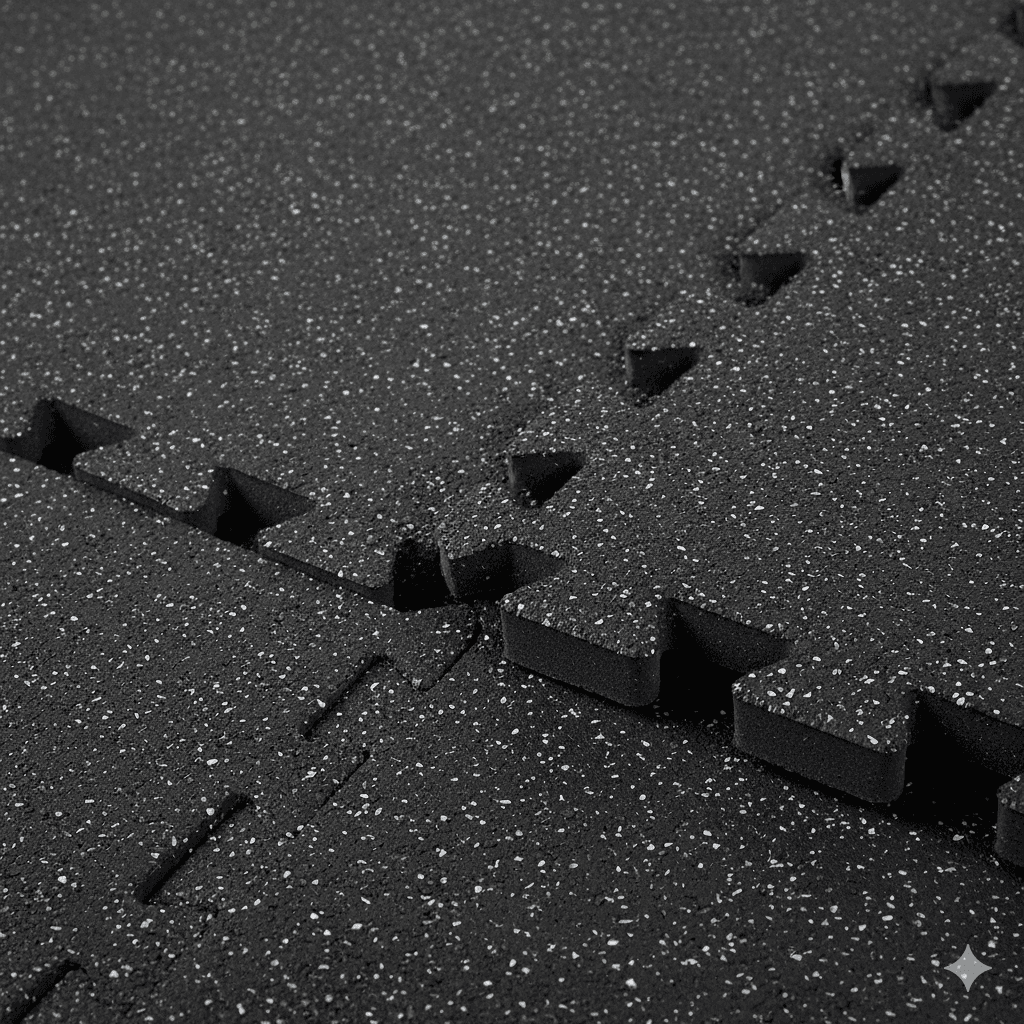
Heavy-duty rubber gym mats with excellent shock absorption. Popular choice on Amazon UK for home gyms with weights. Can handle equipment and moderate drops.
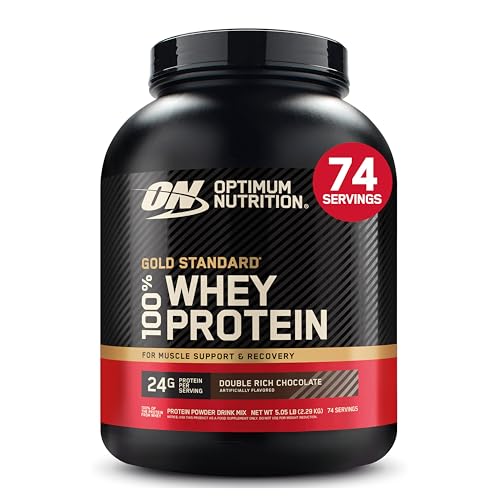
Industry-standard protein powder with premium quality and excellent mixability. The benchmark against which other proteins are measured. Great taste and trusted by athletes worldwide.
As an Amazon Associate, we earn from qualifying purchases.
Products Mentioned in This Guide
Frequently Asked Questions
Related Guides
Find Your Perfect Equipment
Expert guides for racks, barbells, plates, benches, and more. Build your home gym the right way.
Browse All Guides