Best Elliptical Cross Trainers UK 2026

Thirty years of training at home. Built multiple home gyms from bare garages to proper setups. I know what equipment lasts, what breaks, and what becomes an expensive clothes rack.
Just so you know, some links on this page are affiliate links. If you buy something via them, we get a small kickback. You don't pay more, but it helps toward the next bit of kit.
Looking for more equipment recommendations?
Browse All GuidesAn elliptical cross trainer is the most underrated piece of home gym cardio equipment. Zero impact on joints, upper and lower body working together, effective enough to be the only cardio machine you ever need - yet most people default to bikes or treadmills and never seriously consider one.
My recommendation for most UK buyers: start with the JLL CT300. If you want a step up in quality and genuine elliptical motion, go Marcy C80. For serious training with Bluetooth and 32 resistance levels, the Reebok GX50 is the best under-£600 option.
Quick Picks
| Category | Top Pick | Best For |
|---|---|---|
| Budget | JLL CT300 | Most beginners and casual users |
| Mid-range | Marcy C80 | Genuine elliptical motion, better build |
| Best under £600 | Reebok GX50 | Bluetooth, 32 resistance levels |
Prices shown are approximate at time of review. Click to check current pricing.
Who a Cross Trainer Makes Sense For
Cross trainers are not the right choice for everyone. Here is an honest look at who actually benefits.
Good fit: - You want low-impact cardio that doesn't stress your knees, hips, or ankles - You're returning from injury or managing joint pain - You want a machine the whole household can use without skill or fitness level mattering - You live in a flat - ellipticals are significantly quieter than treadmills (no impact noise through floors) - You want something that works upper body as well as lower body simultaneously
Consider alternatives: - Space is your main constraint - an exercise bike takes less floor space at the same price - You enjoy running and want to replicate it indoors - a treadmill is the closer match - You want maximum calorie burn in minimum time - a rowing machine is harder to beat - Budget is under £200 - quality at that price point is not good enough for regular use
Budget Pick: JLL CT300
The JLL CT300 is my starting recommendation for anyone new to cross trainers or training on a tight budget. JLL is a UK brand with genuine customer support - a real advantage when you need a part or have a setup question. *(Price when reviewed: roughly £259 | Check Price on Amazon)*
Key specs: - 5.5kg flywheel - 8 resistance levels (magnetic) - Two-way motion (forward and reverse) - Heart rate sensors on handlebars - Tablet holder - Built-in transport wheels
The two-way flywheel is a genuinely useful feature at this price. Running the pedals in reverse changes muscle activation slightly - more emphasis on hamstrings and glutes going backwards versus quads going forwards. It adds real training variety without adding cost.
Eight resistance levels is adequate for beginners through early-intermediate training. You will run out of challenge eventually if you train consistently - that is the honest limitation of budget machines. But for someone building a habit and testing whether they enjoy cross trainer training, this is the right entry point.
The honest negative: The 5.5kg flywheel is noticeably lighter than mid-range models. The stride feels less smooth, especially at lower resistance. If you have used a gym cross trainer before, this will feel different, not bad, but clearly budget-grade. Still a usable, functional machine that earns its price.
Mid-Range: Marcy Onyx C80
The Marcy C80 is the pick when you want genuine elliptical motion rather than the simplified oval path of budget machines. *(Price when reviewed: around £349 | Check Price on Amazon)*
Key specs: - Genuine elliptical stride (true elliptical motion, not basic oval) - 8 resistance levels (magnetic) - Heart rate sensors on handlebars - Foldable for storage - Tablet holder - Steel frame construction
The stride quality is the key difference. Budget machines cut corners on the pivot arm geometry, creating a stride that traces a rough oval. The C80 uses a proper mechanical design - the foot path is genuinely elliptical and feels natural. You do not realise how much this matters until you train on both back to back.
The fold-for-storage feature is genuinely useful in UK homes where rooms serve multiple purposes. The folded footprint is roughly half the in-use depth. Think "compact storage" rather than "portable."
The honest negative: Still no Bluetooth, still no incline adjustment, still a basic monitor. The step up from the JLL is in mechanical quality and stride feel, not features. If features matter more to you than motion quality, the JLL plus savings toward another piece of equipment might be the better call.
Best Under £600: Reebok GX50
The Reebok GX50 is where the feature set starts to feel like a proper training machine rather than a home fitness toy. *(Price when reviewed: approximately £549 | Check Price on Amazon)*
Key specs: - 32 digital resistance levels - 6kg flywheel - Bluetooth connectivity (app compatible) - Both moving and static handlebars - Console with heart rate monitoring - Reebok brand warranty
Thirty-two resistance levels changes how you train. With 8 levels, increments are coarse - a noticeable jump between settings. With 32, you make tiny adjustments to keep your heart rate exactly where you want it. Training feels more precise and more controlled. For anyone following structured heart rate zones, this is the difference between guessing and targeting.
Bluetooth connectivity links to fitness apps, not a full smart-machine integration, but functional for workout logging. If you train with a heart rate monitor or track sessions in an app, this works cleanly.
The 6kg flywheel is a step up from the 5.5kg JLL. The stride is perceptibly smoother.
The honest negative: The GX50 is a larger machine than the budget options. Budget around 175cm x 65cm of floor space. Not suitable for very small rooms. Reebok's customer service for fitness equipment can also be slower than JLL's UK-based operation - worth knowing if after-sales support matters.
Full Comparison
| Model | Flywheel | Resistance Levels | Bluetooth | Folds |
|---|---|---|---|---|
| JLL CT300 | 5.5kg | 8 | No | No |
| Marcy C80 | Not listed | 8 | No | Yes |
| Reebok GX50 | 6kg | 32 | Yes | No |
What to Avoid
Avoid anything under £150. At this price point, the machine wobbles at resistance levels above 3-4, frame tolerances are loose, and the stride motion is a rough approximation. These machines put people off cross training permanently. They are not a good introduction.
Avoid machines with only 4-6 resistance levels. You will outgrow them immediately. Ten or more levels is the realistic minimum. Ideally 20+.
Avoid cross trainers that do not list flywheel weight. Flywheel weight is the primary indicator of stride smoothness. If a manufacturer does not publish it, it is usually under 4kg - too light for comfortable training.
Avoid unbranded machines. The UK market has many generic cross trainers sold under Amazon-only brands. Some work fine for 6-12 months. Many develop creaks, wobbles, and mechanical failures within the first year. Stick to JLL, Reebok, Marcy, Schwinn, or NordicTrack - brands with UK spare parts stock and actual customer support.
The Specs That Actually Matter
Flywheel Weight
The flywheel stores rotational energy and releases it through the stride cycle. A heavier flywheel produces smoother, more consistent motion - particularly noticeable at the start and end of each stride where budget machines feel clunky or jerky.
Entry level: 5-6kg - adequate, not smooth Mid-range: 8-12kg - noticeably better Good: 12kg+ - genuinely smooth, gym-like feel
At the prices in this guide, 5.5-6kg is what you get. It works. Just do not expect commercial gym smoothness.
Stride Length
Most UK home cross trainers have a stride length of around 40-46cm (16-18 inches). This suits most people up to around 183cm comfortably. If you are taller, check user reviews from tall buyers specifically or try before buying if possible.
Resistance Type
All three recommended machines use magnetic resistance: completely silent, consistent feel, zero maintenance. This is what you want. Avoid older electromagnetic models and anything with air resistance at the home gym price point - they are louder and less precise.
Space Requirements
Cross trainers require more room than their footprint suggests. Account for clearance on all sides and the stride extension at the front.
| Model | Approx. Floor Space | Notes |
|---|---|---|
| JLL CT300 | roughly 160cm x 55cm | Compact, good for small rooms |
| Marcy C80 | roughly 160cm x 60cm | Folds to roughly half depth |
| Reebok GX50 | roughly 175cm x 65cm | Larger - needs a dedicated corner |
Ceiling height rarely causes issues with cross trainers at this price point - the pedal height stays low throughout the stride.
Cross Trainer vs Exercise Bike: How to Choose
Both are quiet, low-impact, and suitable for home use. The key differences:
Choose a cross trainer if: - You want upper and lower body workout simultaneously - You want more calorie burn per session - You prefer a standing workout
Choose an exercise bike if: - You have balance concerns or prefer seated exercise - Space is very tight (bikes are narrower) - You want to read or use a tablet comfortably during cardio - You are recovering from a lower back issue
Both options are covered in the best exercise bike UK guide.
Cross Trainer vs Treadmill: The Short Version
A cross trainer is quieter, kinder on joints, and works more of your body per stride. A treadmill is more familiar if you run outdoors and is the more natural indoor running substitute.
For most people training for general fitness in a home environment, especially in a flat or with family members who train at different times - the cross trainer is the more practical choice. Full comparison in the treadmill vs elliptical guide.
My Recommendation
For most UK buyers starting out: the JLL CT300. It is a proper machine from a UK brand at the right price. Train on it consistently for 6-12 months. If you are still using it, you will know exactly what you want from a step-up.
The Marcy C80 makes sense if you have used a gym cross trainer before and care about stride quality. The mechanical improvement over the JLL is real.
The Reebok GX50 makes sense if you train consistently and want 32 resistance levels plus Bluetooth. It is a machine you will not outgrow.
The worst decision is buying a £99 machine, using it twice, and concluding that cross trainers do not work. The machine does not work, not you. Spend at least £250 and you get a machine that does what it is supposed to.
Training Programmes for Your Cross Trainer
A cross trainer rewards structured use. Here are three approaches that produce real results rather than aimless pedalling.
Steady-State (Fat Loss and Base Fitness) Duration: 40 minutes. Resistance: noticeably working but conversational pace. For the JLL CT300, this is usually levels 4-6. For the Reebok GX50, levels 14-18. Heart rate target: 65-75% of maximum, roughly 130-150 bpm for a 40-year-old. Consistent four to five times weekly is the most sustainable fat-loss protocol on a home cardio machine.
HIIT (Maximum Efficiency) Duration: 22 minutes total. Warm-up: 3 minutes easy. Main set: 8 rounds of 30 seconds maximum effort (highest resistance you can maintain the stride through) followed by 90 seconds easy recovery. Cool-down: 3 minutes easy. Around 220-250 calories in 22 minutes, with continued afterburn for hours afterwards. The elliptical is ideal for HIIT because zero impact means you can push hard without the injury risk that comes with high-intensity running.
Resistance Ladders (Endurance and Leg Strength) Duration: 30 minutes. Start at resistance level 3. Increase by one level every 3 minutes until you reach the highest level you can sustain. Hold for 3 minutes. Descend one level every 3 minutes back down to the start. Harder than it sounds, and produces significant lower body muscular endurance improvements over weeks of consistent practice.
Assembly: What to Expect
UK deliveries typically arrive kerbside. The courier leaves the box at your door. Budget planning around moving a heavy box yourself.
JLL CT300: Arrives in one box. Assembly takes 45-60 minutes solo, 30-40 minutes with a helper. JLL includes clear instructions and UK customer support is responsive. The most common assembly mistake is not fully tightening the pedal arm bolts before first use. Loose bolts here cause a clicking noise on every stride.
Marcy C80: Similar timeline to the JLL. Marcy instructions are adequate but less polished. Check the folding mechanism works smoothly before first use because occasionally the locking pin needs slight adjustment straight from the box.
Reebok GX50: More complex. Budget 75-90 minutes. The Bluetooth pairing to the Reebok app is a separate step after physical assembly. Do this immediately to confirm connectivity is working before the return window closes.
Placement: Position the machine on rubber tiles or a gym mat rather than directly on carpet. This protects carpet fibres from the stabiliser feet, reduces any vibration to the floor below, and makes cleaning easier. Basic rubber tiles cost £20-30 on Amazon.
Maintenance
After every session: Wipe down the handlebars and pedals with a dry or slightly damp cloth. Sweat accumulation over weeks damages metal surfaces.
Monthly: Check that all bolts remain tight. Creaking during use almost always indicates a loose bolt rather than a mechanical fault. Work through the machine systematically starting at the pedal arm connections.
Every 6 months: Apply a small amount of silicone spray or light machine oil to the pivot points and stride arm joints. Use sparingly and wipe away any excess. This keeps the motion smooth and prevents squeaking as the machine ages.
Never: Use chemical spray cleaners on the console or plastic components. Damp cloth only. Keep moisture away from the resistance mechanism and any electronics.
Warranty and After-Sales
| Model | Frame | Parts | Notes |
|---|---|---|---|
| JLL CT300 | 1 year | 1 year | UK-based support, generally responsive |
| Marcy C80 | 1 year | 1 year | US parent company, UK support variable |
| Reebok GX50 | 2 years | 1 year | Best warranty at this price point |
The Reebok GX50's two-year frame warranty reflects the higher build quality. JLL's UK presence means faster practical support even with a shorter warranty period. Register your machine warranty immediately after purchase. JLL and Reebok both require registration for full warranty access and it takes two minutes.
Resale Value
Good cross trainers hold value reasonably well on the UK used market. A JLL CT300 in good condition sells for £80-120 on Facebook Marketplace after two years. The Reebok GX50 retains value better - expect £200-280 after two years with normal use.
The actual cost of ownership is lower than the purchase price suggests. If you decide after 18 months that a cross trainer is not for you, you will recover a meaningful portion of your investment through resale.
What Keeps People Training Long-Term
The machine is accessible. A cross trainer in a room you walk through daily gets used. One stored in a locked garage does not. Reducing friction to training matters more than optimising any training variable.
Progression room exists. Eight resistance levels caps out quickly for consistent trainers. The Reebok GX50's 32 levels means years of genuine progression. Even the JLL CT300's 8 levels takes most beginners 6-12 months to genuinely outgrow.
The machine does not break. Budget machines failing within a year destroy the training habit and motivation together. Every machine in this guide is chosen specifically for reliability at its price point.
You track something. Whether resting heart rate, session duration, or resistance level progression, tracking anything keeps training purposeful. The Reebok GX50's Bluetooth makes this easy. On the JLL and Marcy, a phone timer and a note works just as well.
A cross trainer at the right quality level should still be your primary cardio machine three to five years from today. Buy it once, maintain it minimally, and it becomes part of the furniture rather than another failed fitness experiment.
Common Buying Mistakes
Choosing on price alone below £200. At this price point, frames wobble at resistance levels above 3-4, the stride motion is imprecise, and mechanical failures arrive within a year. These machines damage the habit of training, not just the budget.
Not measuring the space first. A 175cm x 65cm machine sounds manageable until it is blocking a doorway or making a room unusable. Measure twice, order once. Account for clearance on all sides.
Ignoring the flywheel weight. This is the single best predictor of stride quality. A machine that does not list its flywheel weight is hiding a low number. Five kilograms or below produces a noticeably clunky stride. Six kilograms and above is acceptable.
Buying without checking the return policy. Cross trainers are heavy and expensive to return. Most retailers charge restocking fees or return shipping on large items. Know the terms before purchasing.
Expecting results without a plan. A machine in the corner does not improve fitness. Twenty minutes of structured use twice a week beats the most expensive machine used inconsistently. Use the training programmes above, track your sessions, and treat the machine as infrastructure for a habit.
Who Each Machine Is For: Final Summary
JLL CT300: You are new to cross training, or your budget is limited, or you want to test whether you enjoy elliptical training before investing more. A UK brand with proper support. The right entry point.
Marcy C80: You have used a gym cross trainer before and care about stride quality. The genuine elliptical motion is tangibly better than budget machines and justifies the extra £90.
Reebok GX50: You train consistently, want 32 resistance levels for genuine long-term progression, and value Bluetooth connectivity for app integration. A machine you will not outgrow in two to three years of regular use.
The wrong choice is a £99 machine that feels unstable, has inadequate resistance, and breaks within a year. The right choice at any of the three price points above will still be serving you in five years.
Bottom Line
For most UK buyers reading this guide, the JLL CT300 is the right starting point. It is a proper machine from a UK brand with real customer support, 8 resistance levels that will keep you challenged through the initial habit-building phase, and a price point that makes the decision easy. If you train consistently for six to twelve months and find yourself maxing out the resistance regularly, the Reebok GX50 is the obvious step up. Start where the value is and invest more only when the training justifies it.
What You'll Need With It

Heavy-duty rubber gym mats with excellent shock absorption. Popular choice on Amazon UK for home gyms with weights. Can handle equipment and moderate drops.
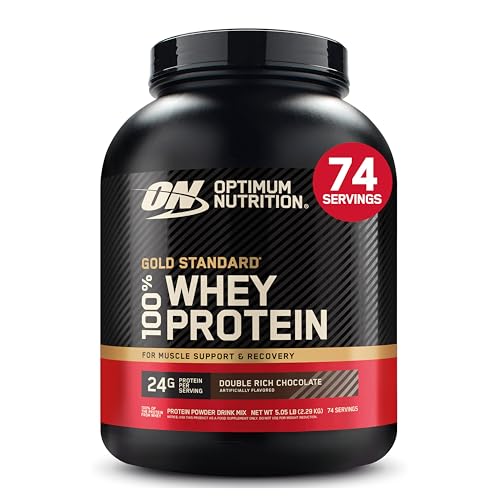
Industry-standard protein powder with premium quality and excellent mixability. The benchmark against which other proteins are measured. Great taste and trusted by athletes worldwide.
As an Amazon Associate, we earn from qualifying purchases.
Products Mentioned in This Guide
Frequently Asked Questions
Related Guides
Find Your Perfect Equipment
Expert guides for racks, barbells, plates, benches, and more. Build your home gym the right way.
Browse All Guides