Best Treadmills UK 2026

Thirty years of training at home. Built multiple home gyms from bare garages to proper setups. I know what equipment lasts, what breaks, and what becomes an expensive clothes rack.
Just so you know, some links on this page are affiliate links. If you buy something via them, we get a small kickback. You don't pay more, but it helps toward the next bit of kit.
Looking for more equipment recommendations?
Browse All GuidesA treadmill is the most searched piece of home gym cardio equipment in the UK. It's also the most returned and the most regretted.
The issue isn't quality - it's mismatched expectations. Someone buys a £200 walking pad for running intervals, or a £1,000 commercial machine for 20-minute walks. The right treadmill depends entirely on how you'll actually use it.
Quick Picks
| Category | Top Pick | Best For |
|---|---|---|
| Budget | JLL Pegasus | Walking and jogging, folds flat, free app |
| Mid-range | NordicTrack EXP 7i | Smart workouts, iFIT integration |
| Mid-range alt | ProForm Carbon TLX | Reliable brand, folds neatly |
| Premium | Sole F63 | Serious runners, no subscription |
Prices shown are approximate at time of review. Click to check current pricing.
Who Actually Needs a Treadmill?
Before spending anything, be honest about your use case.
Good fit for a treadmill: - You want to run indoors regardless of UK weather - You walk daily for health and want to do it year-round - You have joint issues that make outdoor running on hard pavement uncomfortable - You prefer treadmill intervals to outdoor running (some people genuinely do)
Probably not worth it: - You want cardio but hate running. Get a rowing machine or bike instead - you'll use it more. - You live in a flat and need silent equipment. Even magnetic treadmills transmit more vibration than bikes or rowers. - Budget is under £300. Sub-£300 treadmills are walking pads. Fine for walking, unreliable for jogging.
Budget Under £500: JLL Pegasus
The JLL Pegasus is JLL's current Amazon-available folding treadmill and one of the most popular budget picks in the UK. *(Price when reviewed: around £499 | Check Price on Amazon)*
Specs that matter: - Motor: 2.5HP peak - Max speed: 12km/h (0.6-7.5mph) - covers walking through to a steady jog - Incline: 3-level manual - Belt width: 51cm - Connectivity: backlit LCD plus the free SunnyFit app (Bluetooth) - 1,000+ trainer-led sessions, no subscription - Max user weight: 120kg
The free SunnyFit app is the standout. Most budget treadmills give you a basic LCD and nothing else; the Pegasus streams guided workouts and AI-built plans to a tablet on the built-in holder with no monthly fee. JLL is a UK brand (Birmingham, est. 2012) with accessible parts and support, and backs it with their standard warranty - check the current term on the listing, as it varies by model.
Who it's right for: Walkers and joggers who want a genuinely compact machine. It folds flat to around 15cm and slides under a bed or sofa, and the wide 51cm belt is comfortable for most strides at walking and jogging pace.
Honest limitations: The 12km/h (7.5mph) top speed handles walking and steady jogging but not flat-out running - faster runners logging real mileage should look at the Sole F63 below. The incline is a 3-level manual setting, not motorised.
Mid-Range £500-£1,000: NordicTrack EXP 7i
If you want smart features - trainer-led sessions, auto-adjusting incline during workouts, a proper screen - the NordicTrack EXP 7i is the obvious mid-range choice in the UK. *(Price when reviewed: around £699 | Check Price on Amazon)*
Specs that matter: - Motor: 2.6 CHP - Max speed: 16km/h - Incline: 12% digital - Belt width: 50cm - Screen: 7-inch HD touchscreen - Includes: 30-day iFIT trial
The iFIT integration is what you're paying for. Sessions automatically adjust incline and speed to match the terrain in the workout. Running a trail in the Scottish Highlands while watching the actual footage is more motivating than staring at a white wall.
The subscription caveat: iFIT costs £39/month after the free trial. If you'd use trainer-led sessions 3-4x weekly, it's worth it. If you'd run to Spotify and skip the guided content, it isn't.
Mid-Range Alternative: ProForm Carbon TLX
The ProForm Carbon TLX is the sensible alternative if you want ProForm's build quality at a similar price. *(Price when reviewed: approximately £799 | Check Price on Amazon)*
Slightly more expensive than the EXP 7i but from an established brand with a similar feature set. Worth considering if the NordicTrack is out of stock or if you've had good experiences with ProForm equipment before.
Premium £1,000+: Sole F63
The Sole F63 is where serious home runners go when they've outgrown budget machines. *(Price when reviewed: roughly £999 | Check Price on Amazon)*
Specs that matter: - Motor: 3.0 CHP continuous (real continuous rating, not a peak figure) - Max speed: 20km/h - Incline: 0-20% - Belt width: 56cm - No subscription required
The 3.0 CHP continuous motor is the key number. Budget motors list peak HP figures that sound impressive but don't reflect sustained running power. The Sole F63's continuous rating means it handles 45+ minute runs without the motor straining.
The 56cm belt width is genuinely different. If you've ever felt cramped on a budget treadmill during a faster session, the wider belt solves it. Taller runners, longer strides, lateral movement during warmups - all more comfortable.
No subscription requirement. Unlike NordicTrack and ProForm machines, the Sole F63 doesn't push you toward an ongoing subscription. Basic console with Bluetooth so you can run your own music. For people who have no interest in interactive workouts, this is a genuine differentiator.
The Full Comparison
| Model | Belt Width | Max Speed | Incline | Screen | Subscription? |
|---|---|---|---|---|---|
| JLL Pegasus | 51cm | 12km/h | 3-level manual | LCD + app | No |
| NordicTrack EXP 7i | 50cm | 16km/h | 12% | 7" HD | Optional £39/mo |
| ProForm Carbon TLX | 50cm | 16km/h | 10% | Basic | Optional |
| Sole F63 | 56cm | 20km/h | 20% | Basic | No |
The Features That Actually Matter
Motor: Continuous HP vs Peak HP
Every budget brand lists peak HP because it sounds better. A "4.5HP" motor often means 2.5 CHP with a peak burst. For walking and light jogging, this is fine. For sustained running sessions, a continuous motor rating matters more. Look for 2.5+ CHP for jogging, 3.0+ CHP for regular running.
Belt Width: 40cm vs 50cm vs 56cm
40-42cm: walking and gentle jogging. Starts to feel narrow at running pace. 50cm: comfortable for most runners up to 6'2". 56cm: proper running width. What commercial gym treadmills use.
Folding Mechanism
All four recommended treadmills fold. The JLL and NordicTrack use a hydraulic piston that holds the deck vertical. The Sole F63's EasyLift Assist uses a spring-loaded mechanism - easier to unfold with one hand. Not a dealbreaker either way, but worth knowing if you'll fold and unfold it frequently.
Noise and Flat Compatibility
Treadmills transmit more vibration than bikes or rowers because of foot impact. For ground floor or detached properties: not an issue. For flats or upstairs rooms: think carefully.
Reduces noise: - Thick rubber mat under the treadmill (20mm minimum, around £60-80) - Slower speeds (walking vs running) - Magnetic resistance models
Doesn't help: - Purchasing a "quiet" motor. The motor isn't the noise issue - impact is.
Space Requirements
| Model | In Use (L x W) | Folded (H x W) |
|---|---|---|
| JLL Pegasus | 119cm x 51cm (deck) | ~15cm flat (under-bed) |
| NordicTrack EXP 7i | 177cm x 84cm | 188cm x 84cm (stands upright) |
| Sole F63 | 188cm x 84cm | roughly 90cm x 84cm (horizontal fold) |
Standard UK single garage: handles any of these with room to spare. Spare bedroom (3m x 3m): fits, but leaves limited floor space. Flat/small room: challenging. A folding bike or walking pad might be better.
What to Skip
Walking pads (under-desk treadmills): Designed for walking at 1-6km/h. Won't handle jogging. Belt motors overheat under sustained faster use. Don't buy one expecting to run on it.
Treadmills under £200: Belt quality, motor durability, and frame stability all suffer. The cheap ones get returned. The JLL Pegasus at around £499 is the minimum for a machine that will last 3+ years with regular use.
Incline-only treadmills: High-incline walking at 0.5-4km/h is a legitimate training modality (the "12-3-30" protocol). Machines designed specifically for this are fine, but a regular treadmill with incline covers the same use case with more versatility.
Our Recommendation
Under £500: JLL Pegasus. Compact flat-fold, free SunnyFit app, handles walking to a steady jog.
£500-£800: NordicTrack EXP 7i if you'll use iFIT. ProForm Carbon TLX if you don't want a subscription but want a step up in build quality.
£800+: Sole F63. The serious home running machine. No subscription games, wider belt, stronger motor.
The JLL Pegasus for most people. The Sole F63 if you run seriously and want it to last a decade. Either way, the right treadmill is the one that suits how you actually train, not how you imagine you might train once you have it.
Common Treadmill Mistakes to Avoid
Overestimating how much you'll use it. Every treadmill review contains a version of this story: the machine gets used enthusiastically for three weeks, then becomes an expensive clothes rack. Be honest before buying. If you hate running, a treadmill won't fix that. A rower or bike might suit you better.
Buying for aspirational use. You don't run now but plan to start running intervals. Buy for what you'll actually do in month one, not what you hope to do by month six. The JLL Pegasus handles walking-to-jogging progression. You don't need a commercial-grade machine for a habit that hasn't formed yet.
Ignoring running space in front. The machine dimensions don't tell you you'll need another 50cm in front for emergency dismount space. A 188cm treadmill in a 230cm room is a problem waiting to happen.
Buying the cheapest folding pad. Walking pads under 150 pounds are built for 3km/h. The motors overheat above that. Dozens of UK buyers have reported them burning out under sustained jogging. The JLL Pegasus at around £499 is the minimum for actual jogging.
Frequently Asked Questions
How much should I spend on a home treadmill in the UK?
For genuine jogging use, budget at least 350-400 pounds. Under that figure you're buying a walking pad, not a running machine. The motors and frames below 350 pounds struggle with sustained higher-speed use. For occasional jogging and daily walking, 400-600 pounds covers it comfortably. Serious runners who log 30-plus miles a week should look at 800-1,000 pounds for a machine that'll last a decade.
Is a treadmill or rowing machine better for a home gym?
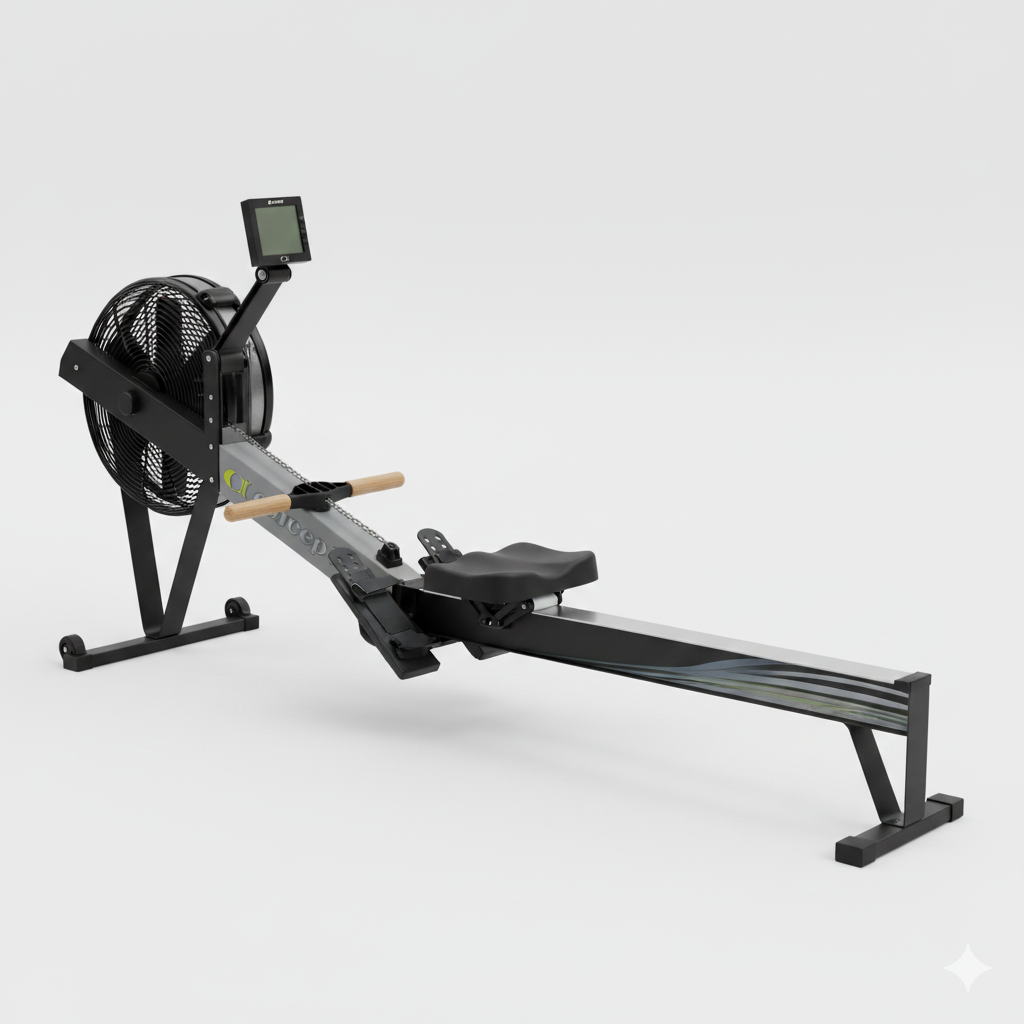
Depends entirely on what you'll actually do. Treadmills are better if you want to maintain your running training indoors. Rowing machines are better if you want efficient full-body conditioning with lower joint impact. The rower tends to get more use because it's less monotonous and more adaptable to HIIT formats. If you genuinely enjoy running, the treadmill is irreplaceable. If you just want cardio fitness, the rower probably beats it.
Do I need a gym membership if I have a treadmill at home?
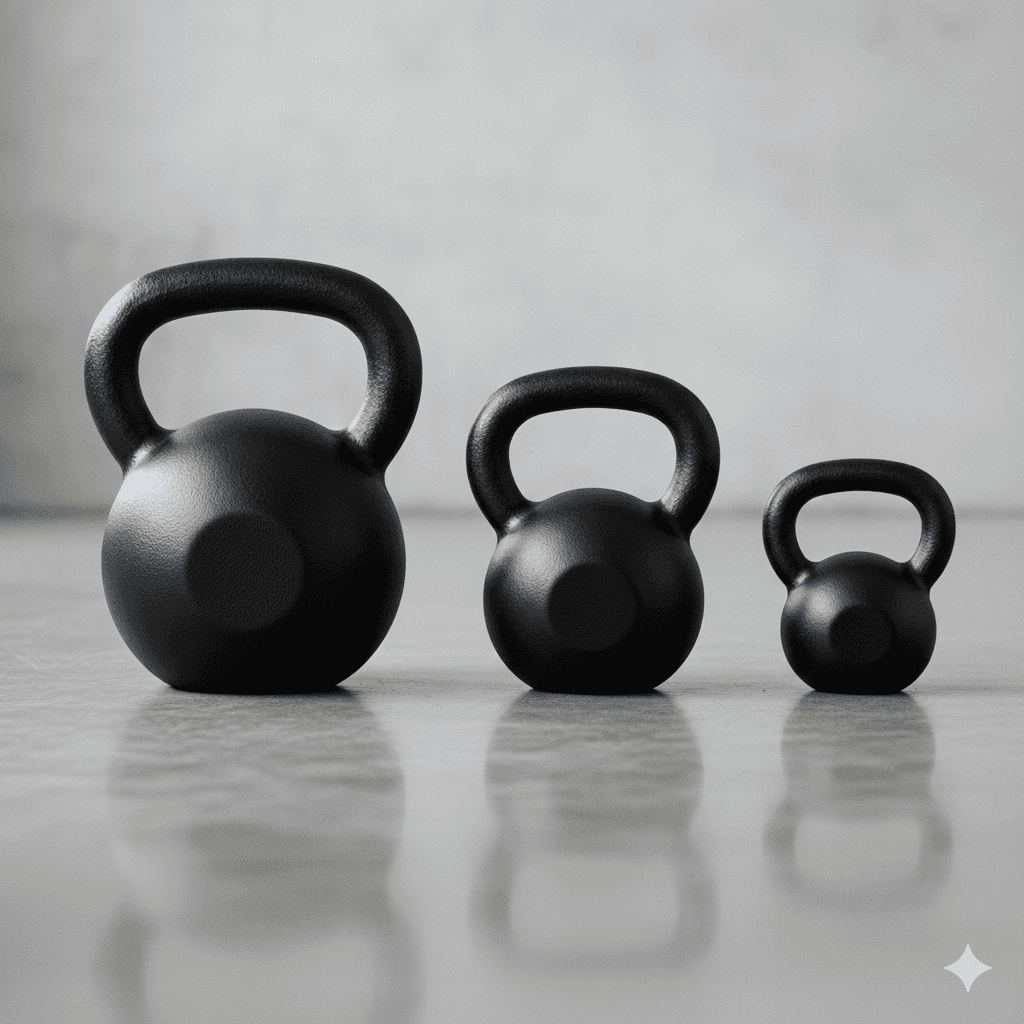
For most people, no. Combined with a set of dumbbells or kettlebells, a treadmill covers cardio while free weights cover strength. That combination handles 90% of typical fitness goals. You'd only miss a gym membership for Olympic lifting, specific machines, swimming, or the social environment. If none of those apply, the home setup wins on convenience alone.
What's the best treadmill for a flat or apartment?
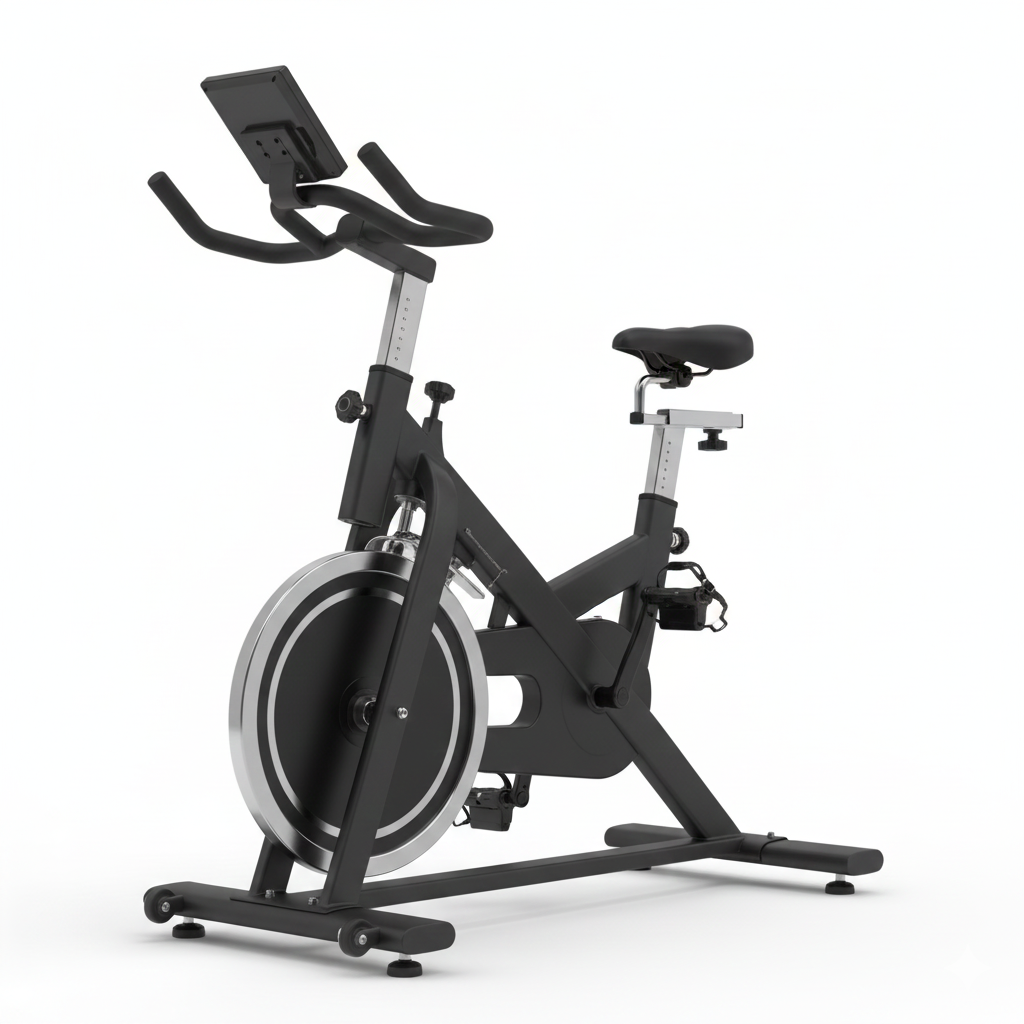
The honest answer is to think carefully before buying any treadmill for a flat. Impact noise travels through floors and is very difficult to suppress. A thick gym mat helps but doesn't eliminate it. A magnetic resistance exercise bike is far quieter and more neighbour-friendly. If you're committed to running, lighter walking pads transmit less impact than full treadmills, but they won't handle proper running pace.
How long do home treadmills last?
Budget models (sub-500 pounds) typically last 3-5 years with regular use. Mid-range machines (500-1,000 pounds) can run 7-10 years. Premium models from Sole or Life Fitness often last 15-plus years with proper maintenance. The motor warranty is the best indicator of manufacturer confidence. A 5-year motor warranty signals a machine built to last. Lubricate the belt every 3-6 months and replace it every 3-5 years to extend life considerably.
Second-Hand Treadmill Buying Guide
The used treadmill market in the UK is enormous. Most treadmills sold second-hand are under 2 years old with minimal actual use. The typical pattern: bought in January, used until March, stored until the following January when it is sold to make room.
What to check before buying used: Run the treadmill at maximum speed for 2 minutes. Listen for motor strain, belt slip, or unusual vibration. Check the belt edges for fraying. Check the deck for soft spots by pressing firmly along the running surface. Inspect the console for dead pixels or unresponsive buttons. Ask about usage history and whether the belt has been lubricated.
Incline Walking: The Underrated Alternative
Incline walking at 12-15% gradient on a treadmill burns comparable calories to running at 5 miles per hour. The difference: walking impact forces are roughly 1.5 times body weight versus 2.5-3 times for running. For anyone with joint concerns, recovering from injury, or living in a flat where impact noise is a problem, incline walking delivers cardiovascular benefits without the downsides.
Buying a Treadmill: What to Check In Person
If possible, test a treadmill before buying. Most specialist fitness retailers in the UK allow this. John Lewis, Argos, and Decathlon stock selected models for in-store testing.
Test at your running speed. Walking on a treadmill in a showroom tells you nothing useful. Ask to run at your normal pace for at least two minutes. Listen for motor strain, feel for belt slip, and check for lateral stability.
Motor noise is impossible to judge online. Reviews describe noise subjectively. Two minutes on the actual machine tells you whether the motor hum will bother you at 6am.
Belt cushioning varies dramatically between models. Some feel like running on a cloud. Others feel like running on concrete with a thin carpet over it. Personal preference here is strong. Test if you can.
Running Surface and Joint Impact
The running surface is the most overlooked specification on any treadmill. Cheap treadmills use thin, hard decks that transmit every footfall straight through your knees and hips. Better treadmills use cushioned decks that absorb 15-30% of impact force compared to road running.
The NordicTrack and ProForm models in this guide use adjustable cushioning systems. Softer settings reduce joint stress for recovery runs. Firmer settings simulate road feel for speed work. This is not a gimmick. Runners who switch from road to cushioned treadmill consistently report less knee pain after the transition period.
Deck thickness matters for durability. A 16mm deck lasts 3-5 years of regular use. A 20mm deck lasts 7-10 years. Budget treadmills often use 14mm decks that develop soft spots within two years, especially in the landing zone. Replacement decks cost around £80-120 and require professional fitting.
Belt width: 45cm is minimum for walking. 50cm is minimum for running. 55cm is comfortable for running. Anything narrower than 50cm and you will clip the edge rails during natural arm swing at higher speeds.
Noise, Vibration, and Neighbour Relations
Every treadmill makes noise. The question is how much and what kind.
Motor noise varies from a low hum (DC motors in premium models) to a whine (cheaper AC motors at high speeds). DC motors are quieter below 10kph. AC motors are more durable long-term but louder at every speed.
Impact noise is the bigger issue. A 75kg runner at 10kph produces roughly 300 footfalls per minute, each generating 2-3 times body weight in force. That force travels through the treadmill frame, through the floor, and into the room below. In a house with solid concrete floors, the noise is manageable. In a flat with wooden joists, the person downstairs will hear every step.
Solutions: A treadmill isolation mat (around £30-50) reduces vibration transmission by 30-40%. Thicker mats reduce more. Running at lower speeds creates less impact. Incline walking at 12-15% gradient burns similar calories to running at 8kph with dramatically less noise because walking impact forces are 60% lower than running impact forces.
Maintenance That Extends Treadmill Life
Treadmill maintenance takes five minutes per month and doubles the lifespan of the machine.
Belt lubrication is the single most important maintenance task. The running belt slides over the deck on a thin film of silicone lubricant. When this dries out, friction increases, the motor works harder, the belt wears faster, and the machine draws more power. Most treadmills need lubrication every 3-6 months depending on use. The procedure: lift the belt edge, apply silicone lubricant (around £8 per bottle, lasts a year), run the belt at low speed for two minutes to distribute.
Belt alignment drifts over time. If the belt starts tracking to one side, adjust the rear roller bolts a quarter turn at a time. The manual for every treadmill in this guide explains this process with diagrams. Ignoring belt drift leads to edge fraying and eventual belt replacement (around £60-100).
What to Avoid
Treadmills under 1.5 HP continuous duty motor. Marketing materials quote "peak" horsepower, which is meaningless. Continuous duty (CHP) is the number that matters for sustained running. Below 1.5 CHP, the motor strains at speeds above 8 km/h, overheats, and burns out within 12-18 months of regular use. For running (not just walking), 2.0 CHP is the practical minimum.
Running decks shorter than 120cm. Your stride lengthens as speed increases. At 10 km/h, most adults need 110-120cm of running surface. A 100cm deck forces you to shorten your stride, which changes your gait mechanics and causes knee and hip problems over time. If you are over 180cm tall, look for 130cm minimum.
Folding treadmills with lightweight frames. A folding mechanism adds convenience but introduces flex at the hinge point. Cheap folding treadmills (under 50kg total weight) bounce and wobble at higher speeds. The machine itself becomes a safety hazard. If you need folding, budget for a model that weighs at least 60kg assembled, which means the frame has enough steel to remain rigid during use.
Incline-only machines without decline. Some budget treadmills advertise "15-level incline" but the belt sits level at minimum. Flat running on a truly level surface is different from running on a belt with a slight upward angle. Check that 0% incline really means level, not 1-2% built-in grade. This is not a dealbreaker, but worth knowing before you buy.
The Bottom Line
Home treadmills are one of those purchases that either transform your routine or gather dust depending on whether running is actually your thing. The JLL Pegasus is the honest starting point for most UK buyers -- proven JLL build, free app-guided workouts, and it handles everything from daily walking to steady jog sessions.
If running is already a habit and you just want to move it indoors, the Sole F63 is worth the extra spend. The wider belt and stronger motor make longer sessions genuinely comfortable, and the lack of subscription pressure means no ongoing cost beyond electricity.
Pick the machine that matches what you actually do. Then commit to the first two weeks consistently. After that, the habit usually takes care of itself.
The treadmill that gets used four times a week beats the premium model that sits idle. Every serious home gym owner who regrets a treadmill purchase bought for aspirational use rather than actual use. Be honest about your running habits, buy accordingly, and the machine will earn its space in your home many times over. The convenience of training whenever suits your schedule, regardless of weather or daylight, is worth more than most people expect until they experience it.
What You'll Need With It

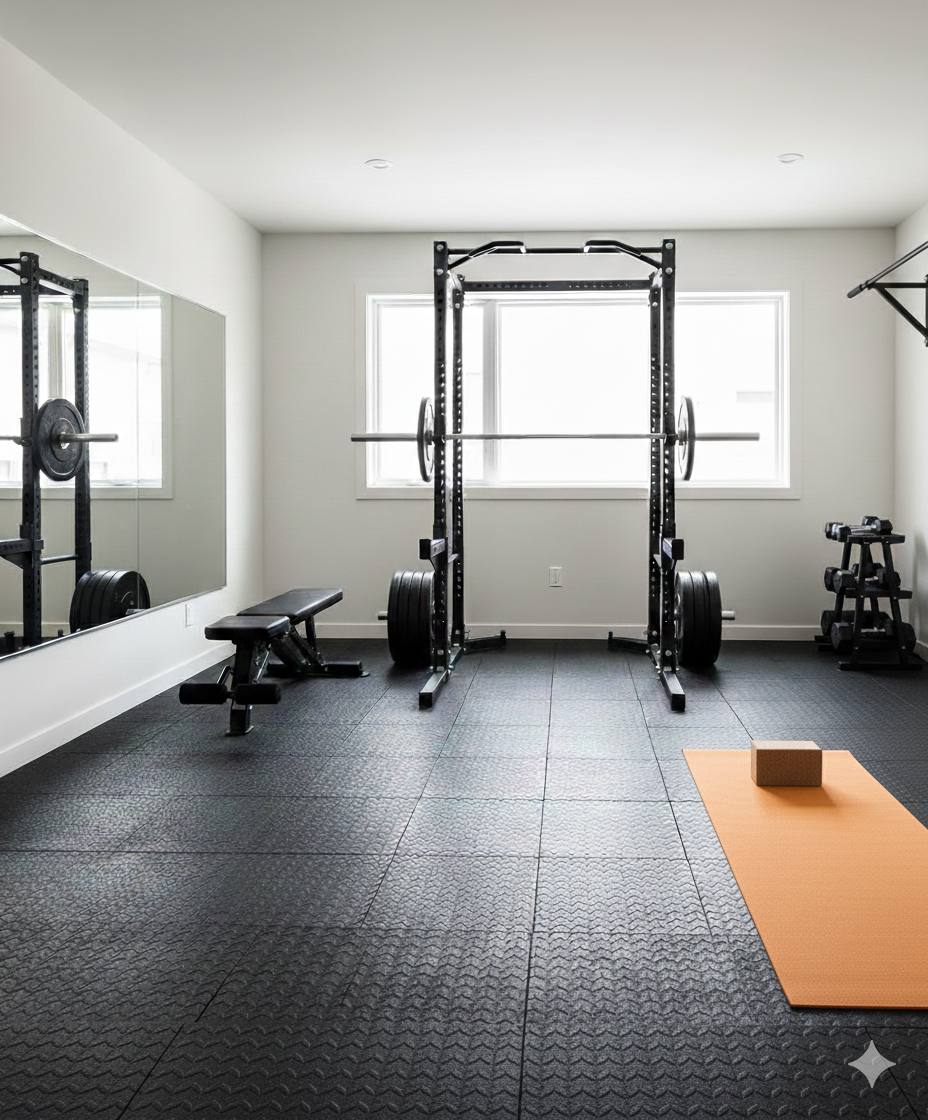
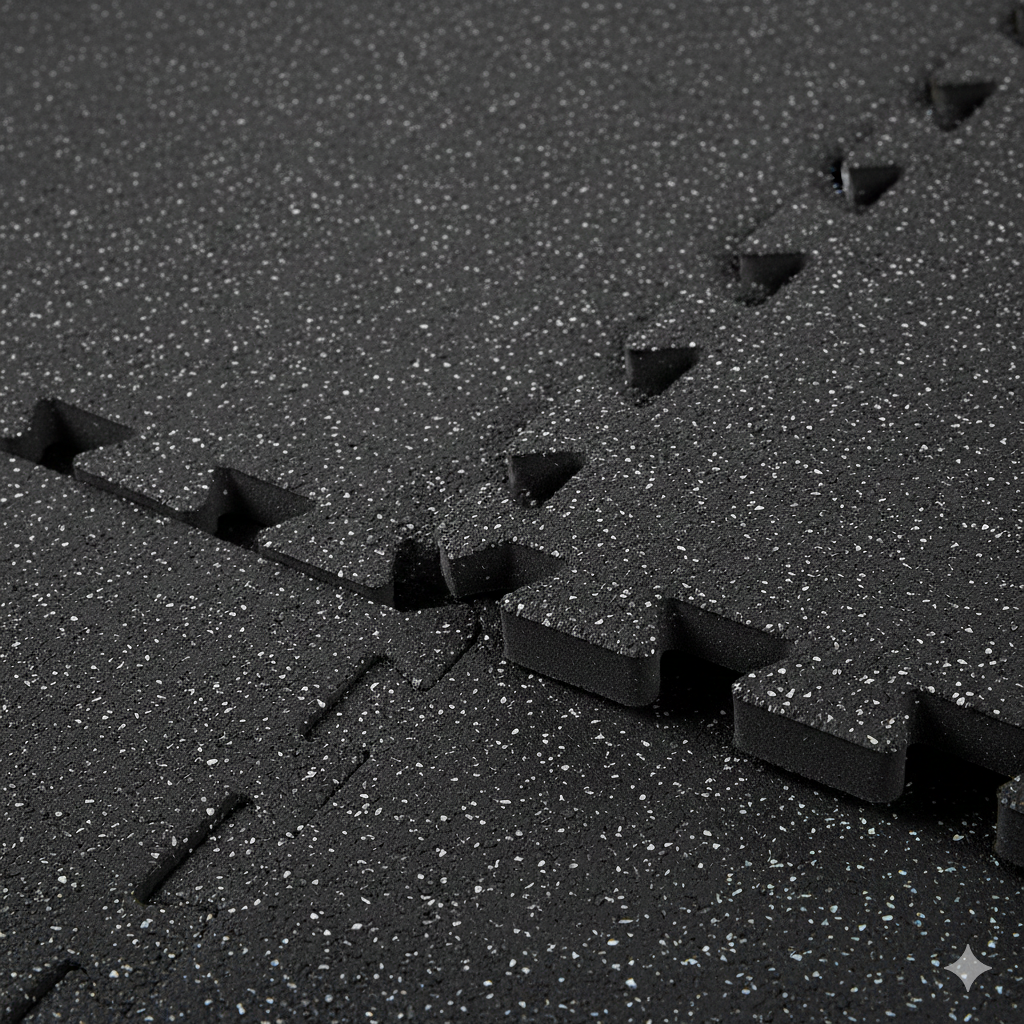
Heavy-duty rubber gym mats with excellent shock absorption. Popular choice on Amazon UK for home gyms with weights. Can handle equipment and moderate drops.
As an Amazon Associate, we earn from qualifying purchases.
Products Mentioned in This Guide
Frequently Asked Questions
Related Guides
Find Your Perfect Equipment
Expert guides for racks, barbells, plates, benches, and more. Build your home gym the right way.
Browse All Guides