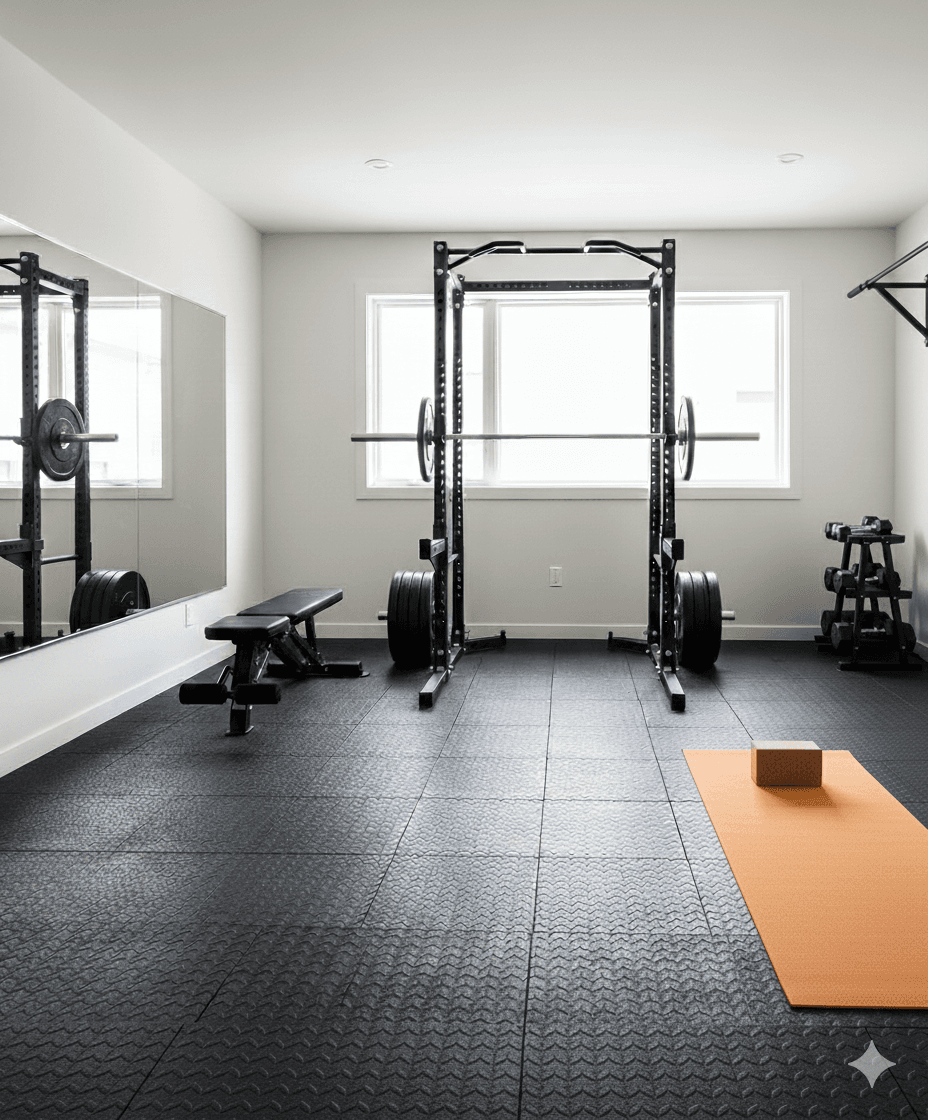
Home Gym vs Gym Membership: UK Cost Analysis

Thirty years of training at home. Built multiple home gyms from bare garages to proper setups. I know what equipment lasts, what breaks, and what becomes an expensive clothes rack.
Just so you know, some links on this page are affiliate links. If you buy something via them, we get a small kickback. You don't pay more, but it helps toward the next bit of kit.
Looking for more equipment recommendations?
Browse All GuidesI did the maths before building my home gym. The numbers aren't even close.
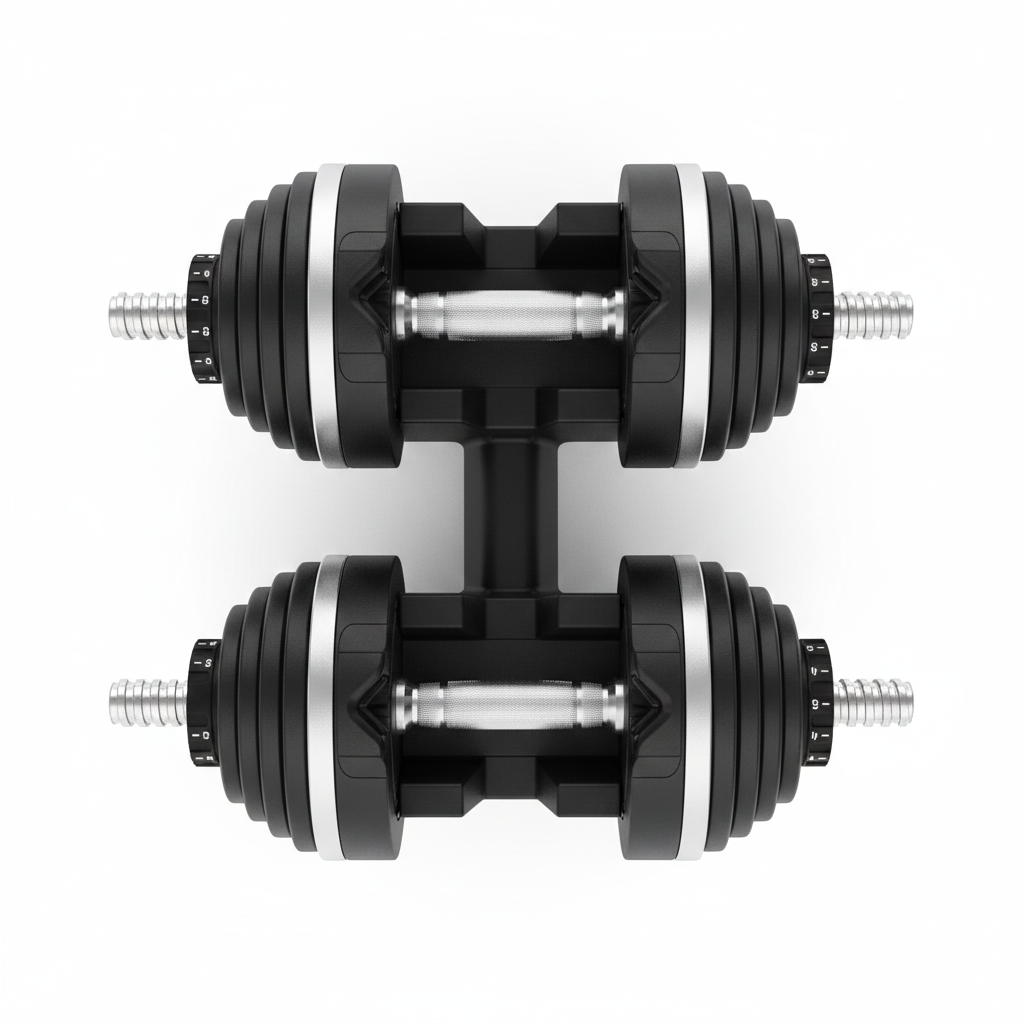
Already decided on home gym? A pair of MuscleSquad adjustable dumbbells and a foldable bench gets you started for under £300. Below is the full cost comparison.
My old gym membership was £45/month. Add £15/week petrol and 4 hours weekly commuting. That's £1,320/year before the random protein shake and the joining fee we'd forgotten about.
My home gym paid for itself in 16 months. That was 3 years ago. Every workout since has been free.
Quick Picks: Which Is Right for You?
| Your Situation | Best For | Payback |
|---|---|---|
| Training 3+ times weekly, settled 2+ years | Home gym | 12-24 months |
| New to training, unsure you'll stick | Gym membership | Lower risk |
| Training before 6am or after 9pm | Home gym | Always open |
| City flat with no spare room | Gym membership | No space for equipment |
| Rural or suburban, gym 20+ min away | Home gym | Pays back in under 12 months |
| Young family, logistics difficult | Home gym | Train in nap time, no commute |
| Going to gym 5+ times per week | Home gym | Fastest payback |
| Work in multiple cities | Hybrid or gym chain | Flexibility matters more |
The short answer: if you train consistently and have any space at all, the financial case for a home gym is overwhelming after 18-24 months. The only reason to stay with a gym is if you genuinely need the environment, equipment variety, or social motivation a commercial gym delivers, and those are real reasons for some people.
The Real Cost Comparison
Commercial Gym: True Annual Cost
| Cost | Low Estimate | High Estimate |
|---|---|---|
| Membership | £360 (budget) | £720 (mid-range) |
| Travel (petrol/bus) | £260 | £780 |
| Parking (if city) | £0 | £500 |
| Time value (5hrs/week @ £15/hr) | - | £3,900 |
| Joining fees (amortised) | £10 | £30 |
| Annual "maintenance" fees | £20 | £50 |
| Gym cafe/supplements | £50 | £300 |
Total: £700-6,280/year (excluding time value: £700-2,380)
Most people land around £1,000-1,500/year all-in.
Home Gym: Setup + Running Costs
Budget setup: - Adjustable dumbbells: around £200 - Adjustable bench: approximately £150 - Pull-up bar: roughly £50 - Resistance bands: around £15 - Mat: approximately £50 - Miscellaneous: roughly £35
Mid-range setup: - Above, plus: - Power rack: around £350 - Barbell + plates: approximately £300 - Exercise bike or rower: roughly £350
Annual running cost: £20-50 (replacement bands, maintenance)
Break-Even Analysis
| Home Gym Cost | Break-Even vs £50/month Gym |
|---|---|
| £500 | 10 months |
| £1,000 | 20 months |
| £1,500 | 30 months |
| £2,500 | 50 months |
After break-even, every workout is essentially free. Equipment lasts 10-20 years with basic care.
When Commercial Gyms Win
Be honest about these:
Equipment you can't replicate: Leg press, cable crossover, full dumbbell rack to 50kg+, swimming pool, sauna. If these are core to your training, a home gym won't satisfy you.
Social motivation: Some people genuinely train harder with others around. If you skip home workouts but never miss gym sessions, the membership is worth it.
Travel: Work in different cities? Gym chains with multiple locations make sense.
Renting short-term: Moving in 6 months? Don't buy 200kg of iron.
When Home Gyms Win
Time matters: My commute was 25 minutes each way. That's 4+ hours weekly just travelling. Now I walk 10 seconds to the garage.
You train early or late: 5am workout? 11pm session? Your home gym is always open. No waiting for equipment, no rush to beat closing time.
You value consistency: The biggest predictor of results isn't the perfect programme. It's showing up. When the gym is 10 steps away, you show up more.
You have space: A 2m x 2m corner handles 90% of training. A single-car garage handles everything.
You're settled: If you'll be in your home 2+ years, the maths clearly favour home equipment.
The Hybrid Approach
We know several people who run both: - Home gym for strength training (dumbbells, bench, rack) - £20/month PureGym for cardio machines, swimming, and variety
Total cost: around £25/month + home equipment. Best of both worlds if budget allows.
The Hidden Gym Costs Nobody Talks About
The headline membership price is always the lowest number. Here's what actually gets you:
Joining fees. Most gyms charge £15-50 to join. Some waive it, then reinstate it the next year.
Annual admin fees. Read the small print. Many gyms charge £12-25/year for "facility maintenance" on top of monthly dues.
Minimum contract. Lock-in periods of 3-12 months mean you keep paying if you stop going. Home gym equipment doesn't charge you for months you don't use it.
Travel adds up fast. 3 gym sessions weekly, 30 minutes round trip by car: that's 78 hours/year. Value your time even modestly and that's real money you never see.
Mental overhead. Packing a gym bag. Remembering headphones. Waiting for a machine. Changing in shared changing rooms. These are real friction costs, and friction kills consistency.
Real Scenarios
The shift worker: A 4-on-2-off rota means training at odd hours. Most gyms close by 10pm. Your home gym is open at 5am after a night shift or midnight before an early start. No compromise on schedule.
The young family: Gym time requires childcare coordination. Home training happens in nap time, after bedtime, or with a toddler watching. Saves 2+ hours of logistics per session.
The city office worker: If your gym is on the commute route and you go before or after work, membership often wins on convenience. The commute is happening anyway.
The rural/suburban person: Nearest gym is 20 minutes away. That's 40 minutes of dead time per session. Home gym pays back in 6 months.
Resale Value: The Underrated Factor
Gym memberships are entirely sunk costs. Home gym equipment has resale value.
A power rack holds 60-70% of purchase price after 5 years. Plates hold value almost indefinitely because iron doesn't wear out. Adjustable dumbbells resell quickly on Facebook Marketplace.
If you move house, sell the lot and buy again locally. You might break even. No gym contract does that.
My Verdict
If you have space and plan to train consistently for 2+ years, build a home gym. The maths are undeniable, and the convenience compounds into results.
If you're new to training and unsure you'll stick with it, a gym membership is lower risk. You can always build the home gym later.
What you shouldn't do: pay for a gym you don't use. The average UK member goes 4.8 times per month. That's over £10 per visit at a standard gym. Brutal value.
Gym Types: Not All Memberships Are Equal
If you decide a gym membership is the right call, not all are created equal.
Budget gyms (£20-30/month): PureGym, Anytime Fitness, The Gym Group. 24-hour access, basic equipment, no frills. Fine for cardio and standard free-weight training. Usually crowded 5-7pm weekdays. If you train off-peak, these are excellent value.
Mid-range chains (£35-55/month): David Lloyd lite, Nuffield, JD Gyms. Better equipment, more space, sometimes pools or classes. Higher price, but often worth it if you use the additional facilities.
Premium gyms (£60-150/month): Virgin Active, David Lloyd, Equinox. Full facilities, pools, spas, group training. Genuinely different experience. Only justifiable if you use the pool, classes, or social environment consistently.
The trap: People sign up for premium gyms "because the facilities are better" then use them exactly as they'd use a budget gym - treadmill, dumbbells, home. Budget gym at £20/month will pay for your squat rack in 18 months. Premium gym at £80/month stretches payback to over 5 years.
Pick the gym type that matches how you actually train, not the one you aspire to train at.
Building Your First Home Gym: Where to Start
If the maths have convinced you, here's what to actually buy, and in what order.
Foundation (£250-350):
| Priority | Equipment | Why It Earns Its Place | |
|---|---|---|---|
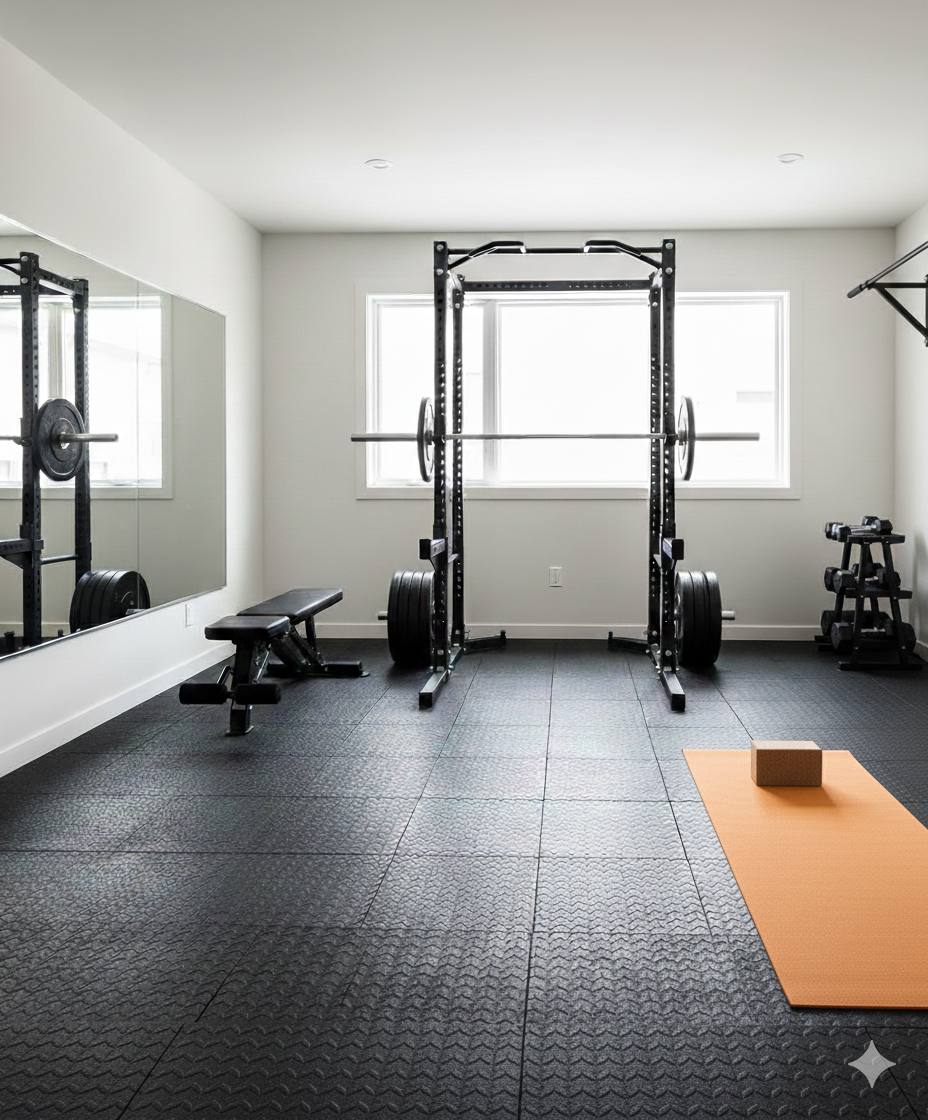
| Buy first | MuscleSquad Adjustable Dumbbells | Replaces 15 pairs of fixed weights | Check Price on Amazon |
| Buy second | Mirafit Foldable Bench | Folds flat, unlocks all pressing angles | Check Price on Amazon |
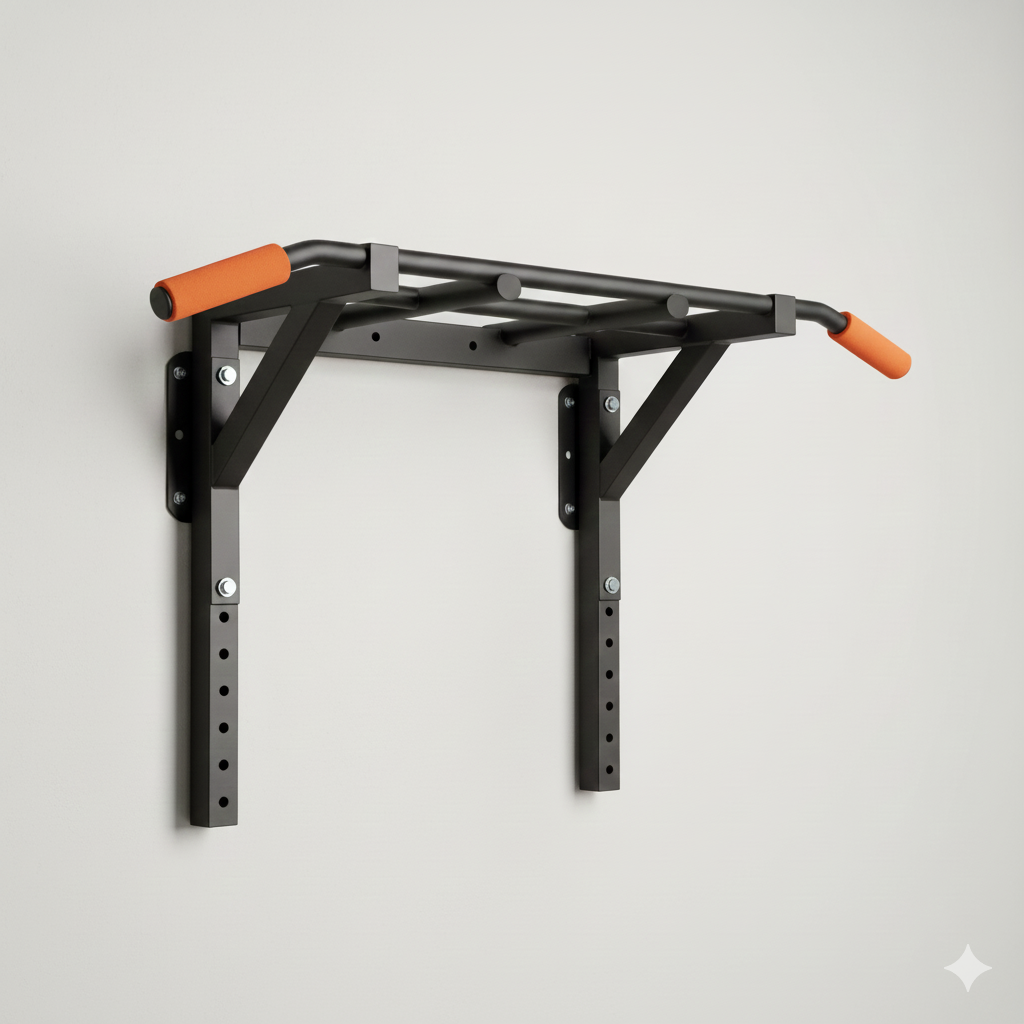
| Buy third | Pull-Up Bar | Back, biceps, core - zero floor space | Check Price on Amazon |
Total foundation: approximately £340. At a £45/month gym, that breaks even in under 8 months.
Mid-range expansion (£700-1,000):
A power rack and barbell opens up squat, deadlift, and bench press - the compound movements that drive the most strength adaptation. If you have garage or spare room space, this is where results compound significantly. A rack with a 7ft barbell and 100kg of plates covers serious strength training for most people. Full breakdown in our power rack guide and home gym equipment guide.
What to Avoid
Paying for a gym membership you barely use. The average UK gym member attends 4.8 times per month. If you're attending less than three times a week consistently, you're paying £10+ per visit. Track your actual attendance for one month before you renew. The number is usually worse than you think.
Building a half-finished home gym. A £100 set of fixed dumbbells and a folding table won't replace a gym. Either invest properly - £300-500 minimum for a functional foundation, or keep the membership until you're ready to do it properly. Cheap equipment that doesn't meet your training needs sits unused, which teaches you the wrong lesson about home training.
Buying equipment before proving your habit. If you've never trained consistently, start with one month of gym sessions at a budget gym (PureGym, Anytime Fitness). Three sessions a week, four weeks. If you go every time, you have a training habit and home equipment will serve you. If you skip regularly, you've saved yourself from expensive clutter.
Ignoring the secondhand market. Facebook Marketplace and Gumtree are full of barely-used gym equipment from people whose enthusiasm outlasted their commitment. Power racks, adjustable dumbbells, rowing machines - often at 40-60% off retail. Never pay full price for your first setup. Buy secondhand, train for six months, then invest in new equipment from an informed position.
Underestimating the space requirement. A barbell needs 2.4m width minimum to load plates on both ends. A power rack footprint is 1.2m x 1m plus working space around it. Measure before you buy. Too many people buy a full rack and discover it won't fit through the garage door or blocks access to their car.
The Space Reclamation Problem
The practical reality of a home gym: it permanently occupies space. A spare bedroom gym means one fewer bedroom. A garage gym means no car inside. A garden shed gym requires planning permission if over 2.5 metres tall.
The Depreciation Reality
Insurance and Liability
Home gym insurance is rarely considered but worth understanding. Standard UK home contents insurance covers gym equipment as personal possessions. However, heavy equipment (racks, barbells, plates) may exceed single-item limits on basic policies. Check your policy and declare high-value items if needed.
The Social and Motivation Factor
The biggest argument against home gyms has nothing to do with equipment. It is motivation.
Commercial gyms provide environmental cues that trigger training behaviour. Walking through the door, seeing other people lifting, hearing gym music, and following an established routine all reduce the mental effort required to start training. At home, the couch is five metres away. The fridge is closer. Nobody is watching.
Solutions that work: A dedicated training space (even a 2x2 metre corner) that looks and feels like a gym. A written programme pinned to the wall. A training log that tracks every session. A timer that makes sessions structured rather than open-ended. A training partner (even remotely via video call) adds accountability that solo training lacks.
Solutions that do not work: Relying on motivation alone. Motivation is unreliable. Systems, habits, and environment design are reliable. The people who successfully train at home long-term all report the same thing: they removed friction from the process. Equipment is always set up. The programme is written. They train at the same time each day. The decision to train was made once, not remade every morning.
Frequently Asked Questions
Does a home gym add value to a property? Possibly. A proper rubber-floored gym room is a selling point for fitness-minded buyers. Equipment won't appear in your home valuation, but a dedicated gym space often does.
What if I need motivation from other people? Some people genuinely train harder in a gym environment. If that's you, get a budget membership alongside a minimal home gym. £20/month PureGym for hard days; home gear for easy sessions when you can't face the commute.
Can I write off home gym equipment as a business expense? Only if you use it exclusively for business purposes - essentially impossible. A self-employed personal trainer might claim equipment used for client sessions, but a home gym for personal use isn't tax-deductible.
What's the minimum viable home gym? Adjustable dumbbells (£150-200) and a mat. That covers 80% of exercises and breaks even against a budget gym membership in under 18 months.
The numbers make the decision easy. The only thing left is deciding when to stop paying for a gym you commute to and start training in the time you save.
One more thing: the most common objection to building a home gym is "I don't have space." For most people, this is false. A 2m x 2m corner - smaller than a double bed - handles adjustable dumbbells, a foldable bench, and a pull-up bar. That's 90% of effective training. A single-car garage handles everything, including a power rack and a cardio machine. Measure the space you have before you rule it out. See our small space home gym guide for a full breakdown of what fits where. The constraint is usually imagination, not square footage. Five years from now, the people training consistently will mostly be doing it at home.
Frequently Asked Questions
Related Guides
Find Your Perfect Equipment
Expert guides for racks, barbells, plates, benches, and more. Build your home gym the right way.
Browse All Guides