Best Resistance Bands 2026

Thirty years of training at home. Built multiple home gyms from bare garages to proper setups. I know what equipment lasts, what breaks, and what becomes an expensive clothes rack.
Just so you know, some links on this page are affiliate links. If you buy something via them, we get a small kickback. You don't pay more, but it helps toward the next bit of kit.
Looking for more equipment recommendations?
Browse All GuidesResistance bands are sold as a single product category. They're not - there are three main types, each suited to completely different training goals. Most people buy a cheap multi-pack, use the wrong band for the wrong exercise, and decide bands don't work.
They do work. You just need the right one for the job.
Quick Picks
| Band Type | Best Option | Best For |
|---|---|---|
| **Loop bands** | Fit Simplify 5-Pack | Warm-ups, mobility, beginners |
| **Tube bands + handles** | TheFitLife Set | Full-body strength training |
| **Fabric booty bands** | Tribe Lifting Set | Glutes, hip activation, squats |
---
The Types You Need to Know
Short loop bands: Closed latex loops, around 12 inches. Used around ankles and knees for lower body activation - clamshells, lateral walks, glute bridges. Won't work for upper body training.
Tube bands with handles: Rubber tubes with foam handles and a door anchor. The cable machine substitute for home gyms. Stack multiple bands for heavier resistance. Covers rows, curls, chest press, and shoulder work.
Fabric booty bands: Wide woven fabric loops that won't roll, snap, or dig in during squats and hip thrusts. Significantly better than latex for lower body activation work.
---
Loop Bands: Fit Simplify
The Fit Simplify set - five flat latex bands in progressive resistance levels - is consistently the best-reviewed entry-level resistance band set on Amazon US. Around $10, ships Prime, covers everything from very light shoulder warm-ups to heavier glute bridges.
These are small closed loops, which means they're designed for exercises where the band goes around your legs or ankles. Lateral walks, clamshells, monster walks, banded squats - these are the moves they're built for.
Don't try to use them for curls or rows. That's what tube bands are for.
Not for: Upper body training, pull-up assist (loops are too short), exercises that require a handle or anchor point.
---
Tube Bands with Handles: TheFitLife
If you want actual strength training with resistance bands, not just activation work - you need tube bands with handles. Short loop bands are the wrong tool for rows, curls, chest press, and shoulder work.
The TheFitLife set includes five stackable resistance tubes, foam handles, a door anchor, and ankle straps (which most cheaper sets skip). Stack multiple bands to increase resistance - light tubes for isolation like lateral raises, stack three or four for seated rows and lat pulldowns.
The door anchor is what makes tube bands practical for home training. Any door in your house becomes an anchor point for horizontal pulling movements. Attach it at head height for cable crossovers, mid-height for rows, low for standing curls. The ankle straps extend the set further for leg extensions and kickbacks.
Stack all five bands and you have around 150-170lb of combined resistance - enough for intermediate-level training across most upper body movements.
Best for: Anyone doing home workouts who wants upper body resistance training without a cable machine. The door anchor is the critical feature that makes the whole setup work.
---
Fabric Booty Bands: Tribe Lifting
The problem with cheap latex loop bands for lower body work: they roll. Do a set of hip thrusts with a thin latex band and it'll be around your waist before you finish the set.
Tribe Lifting's woven fabric construction eliminates this. The wider band surface distributes force more evenly, the fabric grips slightly rather than sliding, and three resistance levels (light, medium, heavy) cover activation work through loaded glute exercises.
Medium is the most-used level for most people - enough resistance to fire the glutes during warm-ups without restricting range of motion. Heavy is useful for hip thrusts and banded squats where you want real loading.
Best for: Glute activation before squats or deadlifts, hip thrust work, lateral band walks, any lower body exercise where a latex band rolls or snaps. The non-slip fabric makes a significant difference compared to latex.
---
Comparison
| Product | Upper Body? | Lower Body? | No-Roll? | Best For |
|---|---|---|---|---|
| Fit Simplify loops | No | Yes | No | Beginners, warm-ups |
| TheFitLife tube set | **Yes** | Partial | N/A | Full-body strength work |
| Tribe fabric bands | No | **Yes** | **Yes** | Glutes, hip activation |
Buy all three for around $55 and you have a complete band setup: loop bands for general warm-ups, tube bands for upper body strength work, and fabric bands for lower body activation.
---
What to Avoid
Cheap multi-packs under $8: Inconsistent latex quality, they snap, and no handle compatibility. The slight price saving isn't worth replacing them every few months.
Tube bands without ankle straps: Most sets don't include ankle straps, which limits what you can do for lower body work. TheFitLife includes them - this is part of why it's the pick.
Single resistance bands: Unless you specifically know the resistance level you need, a set gives you far more training flexibility.
---
Our Recommendation
Starting out: Fit Simplify loop bands for $10. Low commitment, covers basic activation work and warm-ups. If you stick with band training, add the TheFitLife tube set next.
Building a home gym: Get TheFitLife tube bands first - upper body work is harder to cover without equipment. Add Tribe fabric bands for lower body activation. That's $45 and covers most resistance band use cases.
Complete setup: All three types for around $55 total. You won't need anything more for resistance band training.
At $55 for all three types combined, a complete band setup costs less than a single month at most gyms. It's one of the few purchases in home training where the regret rate is effectively zero.
Building a Programme With Bands
The mistake most people make with resistance bands: treating them as a supplement to "real" training rather than a complete training tool.
Bands are fully capable of producing strength and muscle development results when used with progressive overload principles. The key is progression -- using thicker bands or combining bands to increase resistance over time, the same way you'd add weight to a barbell.
Upper body strength programme (tube bands with handles):
Horizontal pulling is the foundation. Seated rows with the anchor at floor height, 3 sets of 12. Band face pulls with anchor at head height for rear delt and upper back health. Lat pulldown simulation with overhead anchor for vertical pulling. Add curls and extensions for arm work. Chest press and chest fly with the anchor behind you for pushing movements.
A complete upper body workout with no other equipment. Takes 25 minutes.
Lower body activation (loop bands and fabric bands):
Banded squats, lateral walks, clamshells, glute bridges -- these activate the hip abductors and glutes in ways that dumbbells and barbells don't reach effectively. Serious strength athletes use these as pre-activation before heavy squats and deadlifts.
The fabric bands at 20 pounds are more effective than lighter latex options for this purpose -- enough resistance to feel the work without limiting range of motion.
Travel workout (full programme, both types):
Pack tube bands and one loop band. You have pressing, pulling, squatting, hinging, and isolation movements available anywhere with a door. Airports, hotel rooms, conference centres -- a 20-minute circuit is possible anywhere.
Why Cheap Multi-Packs Fail People
The $8 Amazon multi-packs that dominate search results have one fundamental problem: inconsistent latex quality.
Latex degrades unevenly in cheap production runs. Two bands labeled "medium resistance" may feel completely different. Snap rates are higher. The resistance ratings mean nothing without consistency.
More importantly: cheap tube bands typically don't include ankle straps, and the door anchors are flimsy. Without a proper door anchor, you're limited to exercises where you hold the band yourself. The anchor is what makes tube bands into a cable machine alternative.
TheFitLife includes both ankle straps and a reinforced door anchor. This isn't marketing -- it's what makes the difference between a band set you'll use regularly and a band set you'll find tangled in a drawer six months from now.
The Complete Band Setup Cost Breakdown
For $55-60 total, here's what you get:
Fit Simplify loop bands ($10): 5 resistance levels for lower body activation, warm-up circuits, and hip work. The most-used bands in your collection for anyone doing strength training.
TheFitLife tube bands with handles ($25): Door anchor, handles, ankle straps, 5 stackable resistance tubes. Your upper body training system. Stack 2 tubes for isolation work, 4-5 for compound movements.
Tribe Lifting fabric bands ($20): 3 resistance levels, non-slip woven fabric. For hip thrusts, squats, and any lower body work where latex bands roll or snap.
Three products. $55. No gym membership required. No assembly, no maintenance, no batteries.
Common Mistakes to Avoid
Using short loop bands for upper body work. They're designed for around your knees and ankles. Using them for rows or presses creates awkward mechanics and limited resistance. Tube bands with handles are the right tool for upper body work.
Anchoring the door attachment to the hinged side. The door attachment should go on the latch side (the side that doesn't move when the door opens). On the hinge side, movement in the door puts stress on the anchor. On the latch side, the door becomes a stable anchor point.
Storing bands in direct sunlight. UV radiation degrades latex faster than anything. Keep them in a bag or drawer. A $10 set lasts 2-3 years with proper storage; the same set left in a sunny window starts cracking in months.
Not progressing resistance. The most common way band training stalls: using the same resistance for months. When you can complete all reps of an exercise with good form, move to a thicker band or stack an additional tube. The progression principle applies to bands exactly as it does to weights.
Frequently Asked Questions
How much resistance do resistance bands actually provide?
Resistance varies by band type, thickness, and stretch level -- bands get harder as they stretch further. A light tube band might provide 10-15 lb at moderate stretch, stacking all five TheFitLife tubes gives approximately 150-170 lb at moderate extension. Fabric loop bands range from roughly 10 lb (light) to 35+ lb (heavy) at hip level for squats and bridges.
Can I build significant strength with resistance bands only?
Yes, with caveats. Band training produces real strength and muscle development when applied with progressive overload. The limitation compared to free weights: bands don't load the bottom of most movements (where muscles are strongest) -- they load the top (where muscles are often weakest). This actually makes bands complementary to free weights for addressing weak points, and fully adequate as a primary training tool for general fitness goals.
Are resistance bands good for losing weight?
Resistance bands contribute to fat loss the same way any resistance training does: building or maintaining muscle tissue increases resting metabolic rate. A 30-minute resistance band circuit (tube bands for upper body, loop bands for lower body activation) burns 200-300 calories and produces training stimulus for muscle development. Combined with appropriate nutrition, this produces fat loss. The bands aren't a special weight loss tool -- they're a complete training implement.
How do I know which resistance level to start with?
For loop bands: the medium band in any starter pack (typically red or green) works for most people. If you can do more than 20 lateral walks without fatigue, move to the next level.
For tube bands: start with 2 stacked tubes for compound pulling movements (rows), 1 tube for isolation (curls, lateral raises). Increase tubes when you can complete all reps with full control.
For fabric bands: the medium band is the most-used for most exercises.
Band-Only Training Programme
A band-only programme builds meaningful muscle for beginners and maintains it for intermediate trainees.
Band Color Coding
Bands use color coding for resistance levels, but there is no universal standard across brands. A red band from one brand may differ from another.
Combining Bands With Free Weights
Bands paired with dumbbells create training options neither achieves alone.
Banded bench press loops a band under the bench and over each dumbbell. Resistance increases as you press up, overloading the lockout phase where you are strongest. Effective for breaking through pressing plateaus.
Banded squats loop under both feet and over the dumbbell or barbell. The squat becomes harder as you stand, mimicking the resistance curve of a heavy barbell squat.
Band Exercises That Replace Expensive Equipment
Resistance bands replicate movements that normally require cable machines costing $500 or more.
Face pulls are the most important exercise for shoulder health. Anchor a band at head height, step back, pull toward your face with elbows high. This strengthens rear deltoids and external rotators that prevent the rounded-shoulder posture from bench pressing and desk work. Two sets of 15-20 reps three times per week measurably improves shoulder health.
Banded lat pulldowns need a door anchor at the top of the frame. Kneel facing the door, grip the band ends, pull down to your upper chest. This mimics the lat pulldown machine without needing a pull-up bar.
Banded chest flies anchor behind you at chest height, press forward with a hugging motion. Isolates the chest through a full range of motion in ways bench press cannot.
Accommodating resistance with free weights is a powerlifting technique: loop a band over a barbell during squats or bench press. Resistance increases at the top (where you are strongest) and decreases at the bottom (where you are weakest). This overloads the lockout and builds strength through the entire range.
Band Durability and Safety
Bands fail. Understanding why prevents injury.
Latex bands stretch to approximately 2.5 times resting length before failure. Operating within 2 times resting length is safe. Over-stretching accelerates micro-tears that eventually cause snapping. When a band snaps under load, it recoils at speed. Band snap injuries include welts, eye damage, and cuts.
Prevention: Inspect bands before every session. Look for tears, thin spots, or faded color (stretched latex). Replace bands showing any damage. Quality latex bands last 12-18 months with regular use. Budget bands from unknown brands last 3-6 months.
Fabric-covered bands (for hip and glute work) contain the elastic if it fails. These are inherently safer and recommended for any exercise near the face.
Door anchors need monthly checks. The foam pad compresses over time and can slip. Replace annually. Never use a door anchor on a door that opens toward you during the exercise.
Training Programmes With Bands Only
Bands alone can build meaningful muscle and strength for beginners and maintain it for intermediate trainees.
Full-body band workout (3x per week): Banded squats: 3 sets of 15. Banded push-ups (band across back): 3 sets of 12. Banded rows (anchor at waist height): 3 sets of 12. Banded overhead press: 3 sets of 12. Banded face pulls: 2 sets of 20. Banded bicep curls: 2 sets of 15.
Building a Band-Only Programme
Resistance bands can support a complete training programme for months. Here is what that looks like in practice.
Upper body pressing. Anchor the band at shoulder height or above in a closed door. Face away from the door, grab the bands, and press forward: this is a banded chest press. Adjust the angle for high, mid, and low cable fly variations. Press overhead from a standing position for shoulder press. The resistance increases through the range, which makes the lockout harder than the initial push -- the opposite of dumbbell pressing, and actually beneficial for building strength at end range.
Upper body pulling. Anchor the band above head height. Face the door and pull down: banded lat pulldown. Anchor at chest height and pull horizontally: seated row variation. Anchor low and pull toward your face with elbows high: face pull, which is the single most effective shoulder health movement available. None of these require anything beyond a door and a band.
Lower body. Loop a band around your thighs for squats and hip thrusts: adds abductor resistance that free weights do not replicate. Step on the band and deadlift: banded Romanian deadlift with progressive resistance at the hip hinge. Loop around ankles for lateral walks and clamshells: hip external rotation work that addresses the most commonly neglected movement pattern in lower body training.
The programming framework. Three sessions per week, alternating upper and lower body focus. Each session: 4-5 exercises, 3 sets of 12-15 reps, 45-60 seconds rest between sets. Progressive overload: increase band tension by moving anchor point or using a heavier band when 15 reps become easy. Eight weeks of this produces measurable strength and conditioning improvement.
Resistance Bands for Travel
Bands are the only resistance training tool that genuinely works for travel. No weight to check. No TSA concern. A full set of five bands and a door anchor fits in a toiletry bag.
The travel setup. Door anchor slides in the gap between the door and frame. Attach the band. Every major movement pattern available: press, pull, row, squat, hinge. The hotel door becomes a full-function cable machine in 30 seconds.
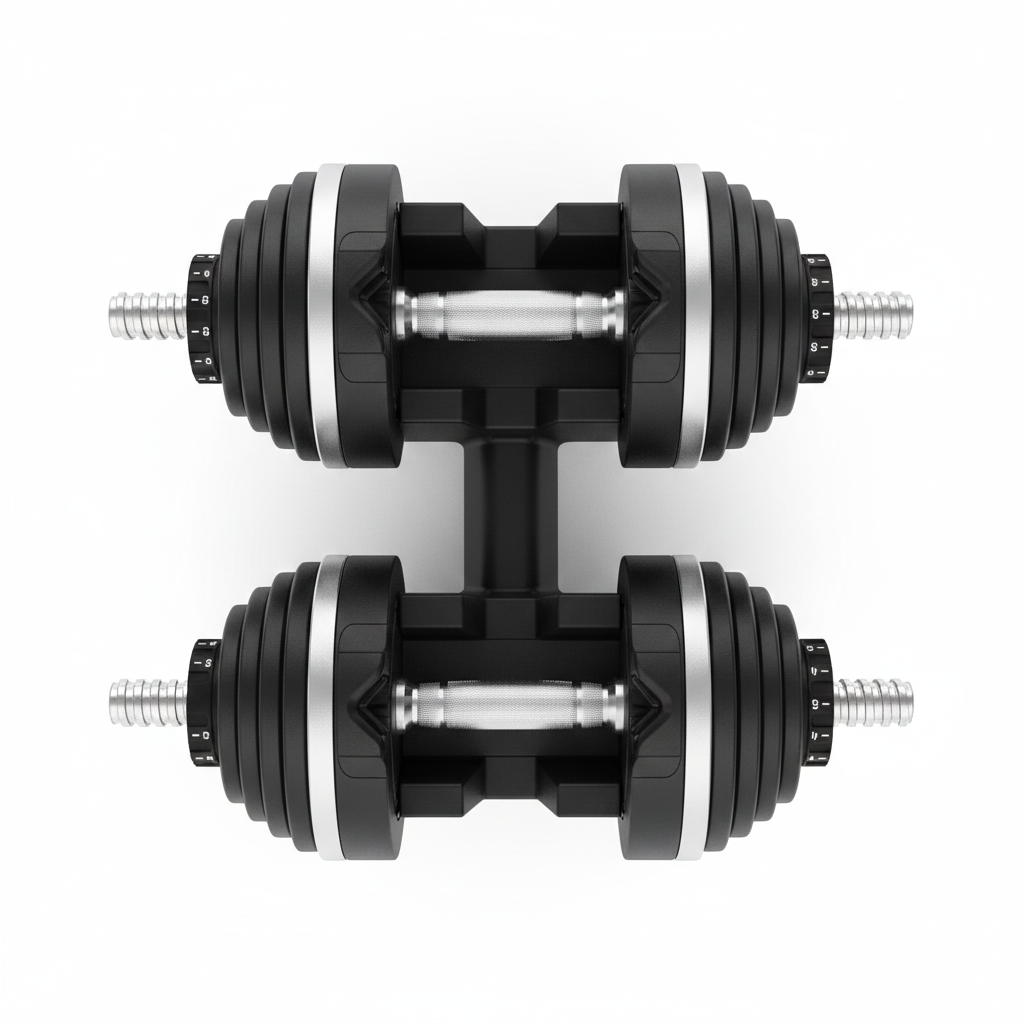
The limitation. Heavy compound movements at meaningful loads are not possible with bands alone. The upper end of resistance on a heavy band is roughly equivalent to 30-40 lb of dumbbell resistance, which is sufficient for maintenance and general conditioning but insufficient for serious strength progressions. For travel, bands cover 80% of what matters. For primary training at home, they work best combined with adjustable dumbbells for loading the compound movements properly.
For frequent travellers. A set of bands plus a door anchor is the most cost-effective, space-efficient solution for maintaining fitness on the road. Use them consistently for 6 months and you will arrive home stronger than if you had done nothing, regardless of what gyms were or were not available.
The $55 Complete Band Setup vs a Gym Membership
A gym membership costs $50-80 per month. The bands cost $55 once.
Month two of the gym membership costs $50-80. The bands cost $0.
After three years, the gym membership has cost $1,800-2,880. The bands have cost $55.
This math only works if you actually use the bands. But for anyone who wants resistance training accessible at home, in hotels, or anywhere else without ongoing cost, the band setup is the most cost-effective training purchase available.
What You'll Need With It

Doorframe pull-up bar with ergonomic multi-grip handles, alloy steel construction, 400 lb capacity, and foldable design for storage. Includes wrist straps and workout guide.
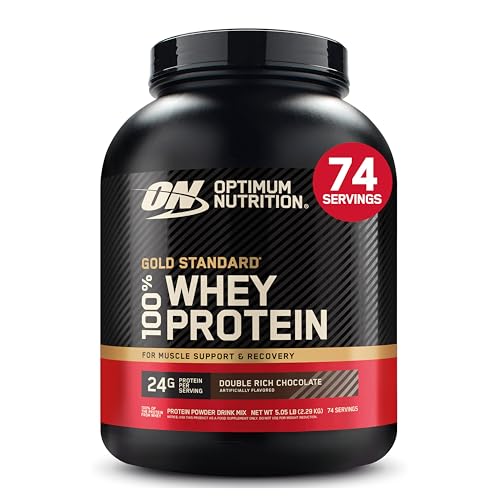
Industry-standard protein powder with premium quality and excellent mixability. The benchmark against which other proteins are measured. Great taste and trusted by athletes worldwide.
As an Amazon Associate, we earn from qualifying purchases.
Products Mentioned in This Guide
Frequently Asked Questions
Related Guides

Find Your Perfect Equipment
Expert guides for racks, barbells, plates, benches, and more. Build your home gym the right way.
Browse All Guides