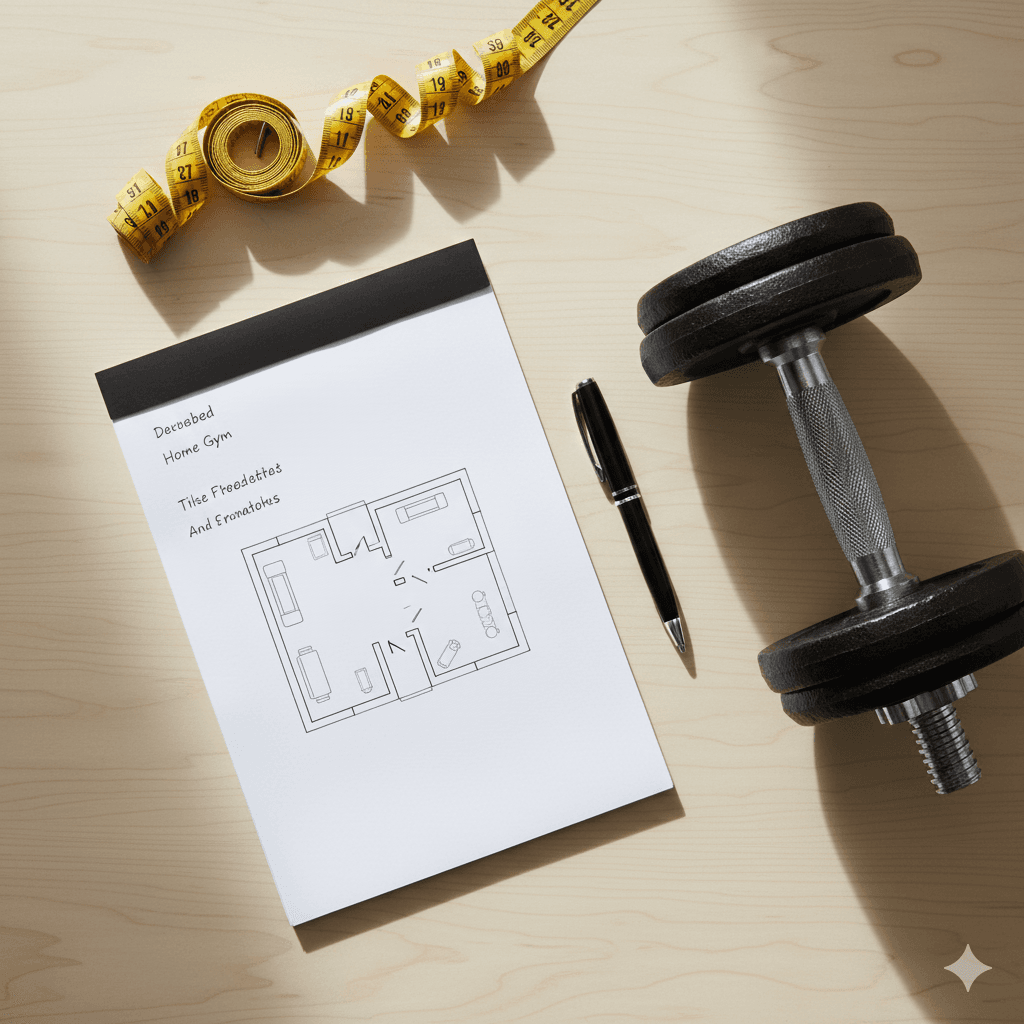
How Much Does a Home Gym Cost UK? (2026 Budget Guide)

Thirty years of training at home. Built multiple home gyms from bare garages to proper setups. I know what equipment lasts, what breaks, and what becomes an expensive clothes rack.
Just so you know, some links on this page are affiliate links. If you buy something via them, we get a small kickback. You don't pay more, but it helps toward the next bit of kit.
Looking for more equipment recommendations?
Browse All GuidesA home gym pays you back every single month you own it. Not just in money saved on memberships, but in time you never spend commuting, queuing for equipment, or working around someone else's schedule. The maths are so heavily stacked in your favour that the only real question is how much to spend upfront.
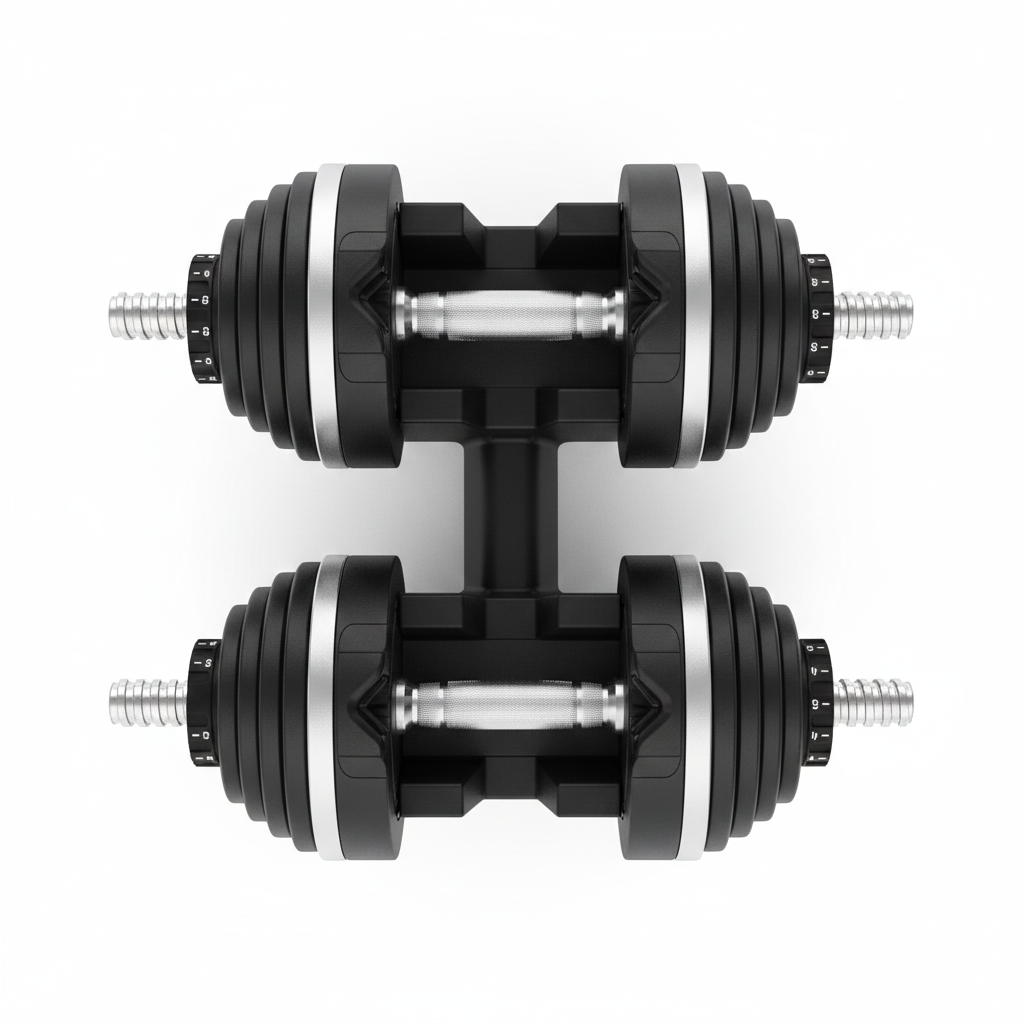
Best starter buy: MuscleSquad 25kg adjustable dumbbells at roughly £200 plus a Mirafit M150 bench at roughly £120. That £320 covers 90% of training needs.
The short answer: a genuinely useful home gym costs £250-350. A setup that rivals most commercial gyms runs £800-1,200. A serious garage gym with everything you could want is £2,000-3,500. Below is the full breakdown with real UK prices, hidden costs nobody warns you about, and the exact break-even point against a gym membership.
Quick Summary: Home Gym Cost by Budget
| Budget | Setup | What You Get | Break-Even vs Gym |
|---|---|---|---|
| £250-350 | Starter | Dumbbells, bench, pull-up bar | roughly 7 months |
| £500-700 | Solid | Above + kettlebell, bands, flooring | roughly 14 months |
| £800-1,200 | Mid-range | Above + cardio OR barbell setup | roughly 2 years |
| £1,500-2,500 | Full setup | Barbell, rack, plates, dumbbells, cardio | roughly 3.5 years |
| £2,500-3,500 | Garage gym | Complete multi-discipline setup | roughly 5 years |
Every tier above pays for itself. The only difference is how quickly.
---
Budget Breakdown: £250-350 Starter Setup
This is the setup I recommend to anyone who hasn't trained at home before. It covers 90% of upper body work and basic lower body, and it fits in a spare bedroom corner (roughly 2m x 1.5m).
| Item | Product |
|---|---|
| Adjustable dumbbells (2.5-25kg) | MuscleSquad 25kg adjustable |
| Flat/incline bench | Mirafit M150 |
| Doorframe pull-up bar | ONETWOFIT wall-mount |
| Total |
What you can train: Chest press, rows, shoulder press, curls, triceps, lunges, Romanian deadlifts, goblet squats, pull-ups, lateral raises. That is a complete programme for the first 6-12 months of serious training.
What's missing: Heavy barbell work for squats and deadlifts, dedicated cardio, and hip hinge loading beyond what dumbbells allow.
If you buy nothing else, this setup and a half-decent programme will get you stronger than most gym-goers who spend 45 minutes on their phone between sets. The MuscleSquad 25kg dumbbells adjust in 2.5kg increments up to 25kg per hand and store in a footprint smaller than a shoebox. If you need heavier, the 32.5kg version is about £250. The Mirafit M150 bench has a 260kg capacity and six back angles, which is more than enough for years of progression.
---
Solid Setup: £500-700
Build on the starter with accessories that fill the gaps.
| Item |
|---|
| Resistance bands set (light to heavy) |
| 16kg or 20kg kettlebell (cast iron) |
| Upgrade to heavier adjustable dumbbells |
| Gym mat / rubber flooring tiles (3m squared) |
| Additional cost on top of starter |
Resistance bands add face pulls, pull-aparts, and banded lower body work. These are not gimmicks. Face pulls are the single best exercise for shoulder health, and you cannot do them without a band or cable machine. A kettlebell adds swings, farmer's carries, and Turkish get-ups, which are brilliant for conditioning without needing a cardio machine.
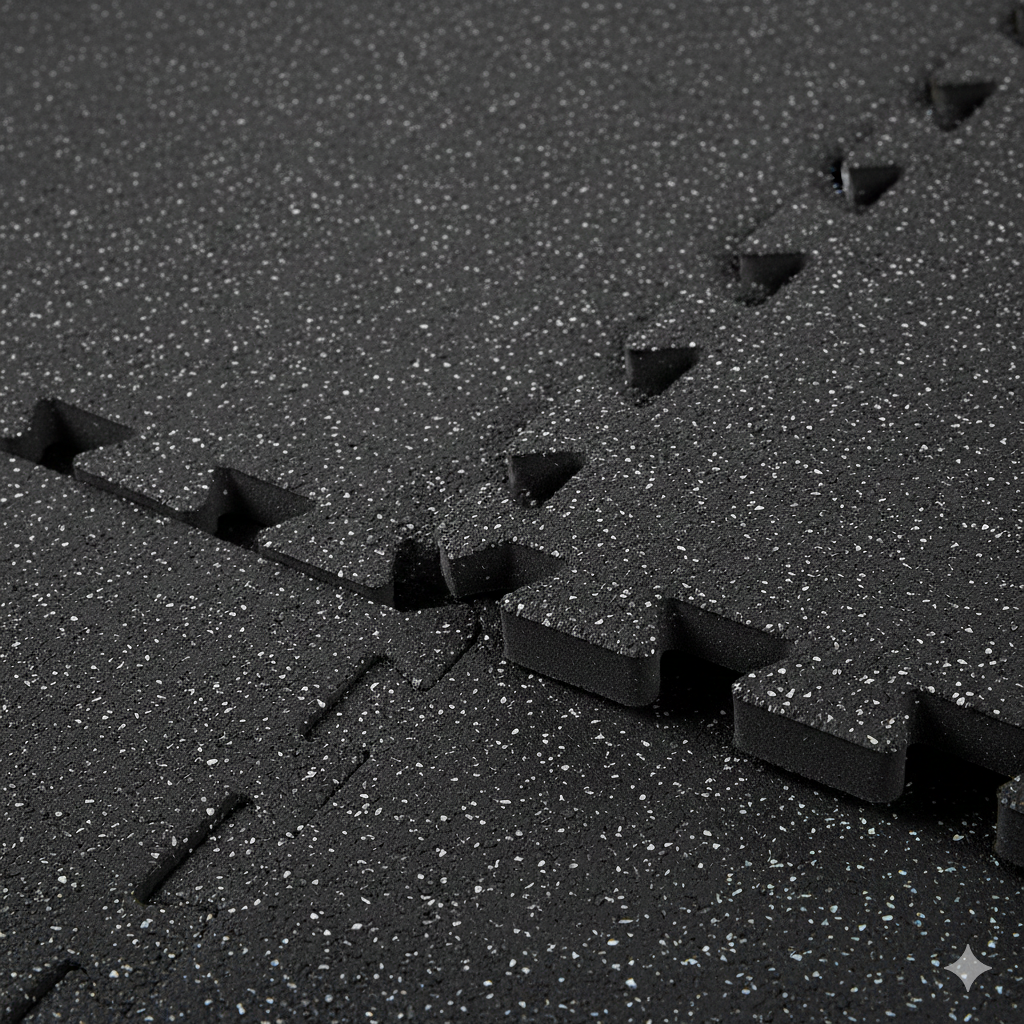
Flooring protects your actual floor and keeps the neighbours from hearing every rep. Even a thin layer of rubber tiles makes a meaningful difference to noise.
At this level, you have more exercise variety than most people ever use at a commercial gym. The limitation is load, not equipment.
---
Mid-Range Setup: £800-1,200
This is where you choose a direction based on your goals.
Option A: Add Cardio (£850-1,100 total)
| Item |
|---|
| Starter setup |
| Spin bike (JLL IC300 PRO or similar) |
| Bands + mat |
| Total |
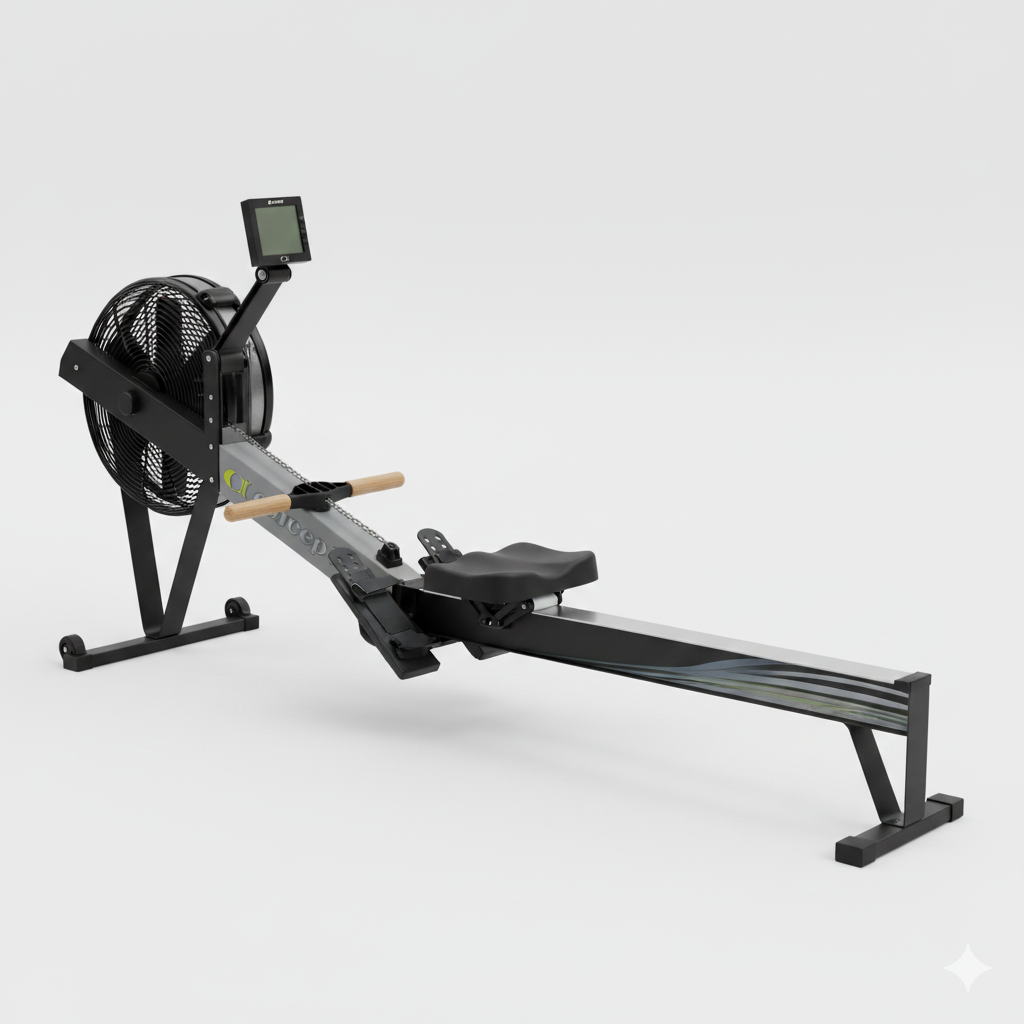
A spin bike covers cardio, HIIT, and lower body endurance in a footprint smaller than a coffee table. It is the most space-efficient cardio machine for UK homes where space is tight. If you prefer rowing, a Dripex magnetic rower runs about £250 and folds upright for storage.
Option B: Add Barbell Setup (£900-1,200 total)
| Item |
|---|
| Starter dumbbell setup |
| 7ft Olympic barbell |
| 100kg Olympic plate set |
| Half rack / squat stands |
| Gym flooring (6m squared) |
| Total |
This unlocks back squats, conventional deadlifts, barbell bench press, and barbell rows. If you are serious about building strength, this is the single biggest upgrade you can make. Dumbbells have a ceiling. A barbell does not. The Mirafit M3 half rack at around £250 has a 400kg capacity and takes up about 1.2m x 1.2m of floor space.
---
Full Setup: £1,500-2,500
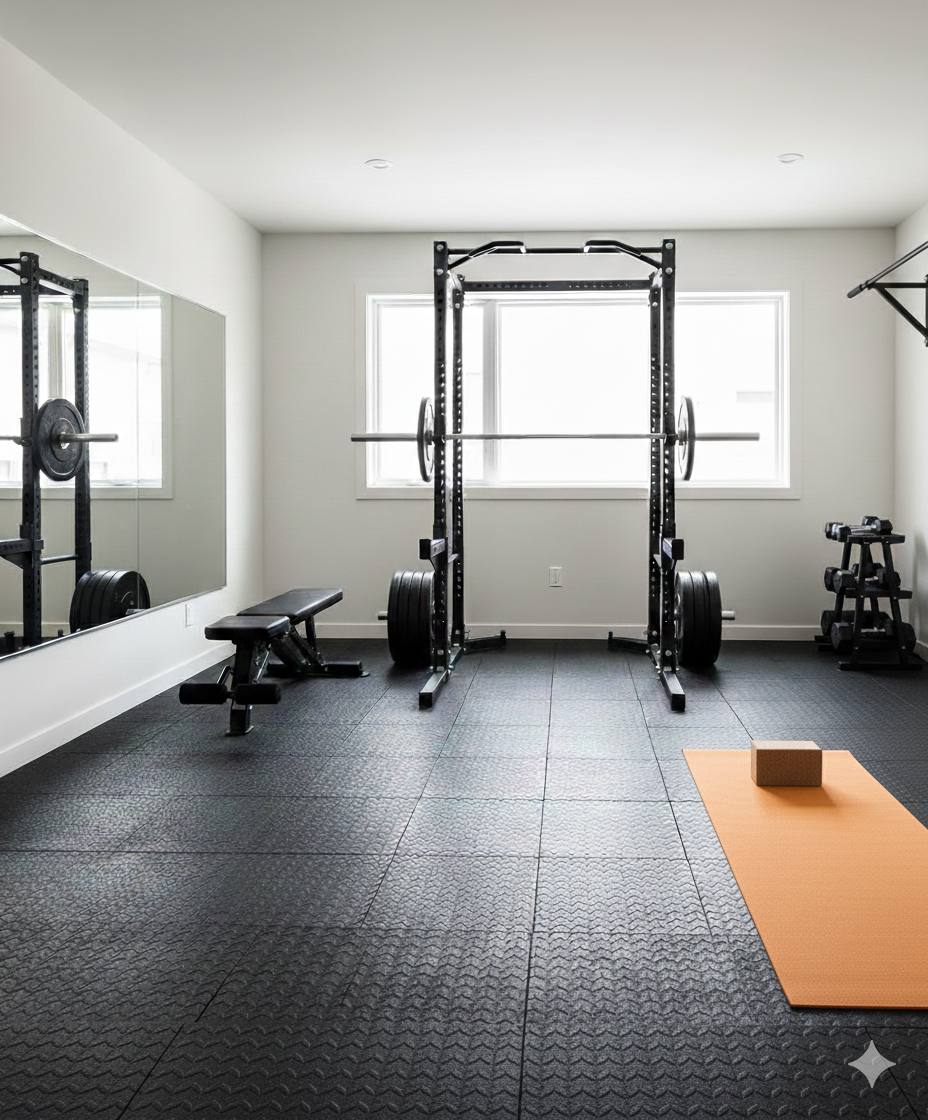
A complete home gym at this level covers strength, cardio, and accessory work. You will not need a commercial gym again.
| Item |
|---|
| PowerBlock or MuscleSquad adjustable dumbbells |
| Adjustable bench (flat/incline/decline) |
| 7ft Olympic barbell + 150kg plates |
| Power rack or half rack |
| Spin bike or rowing machine |
| Pull-up bar (wall-mounted or rack-integrated) |
| Gym flooring (10-15m squared) |
| Resistance bands + accessories |
| Total |
At this price, you have more capability than most commercial gym-goers ever touch. Compound lifts, isolation work, cardio conditioning, and core training are all covered without leaving the house. The only things a commercial gym still has over you are machines (leg press, cable crossover) and the social element. For most people, that trade-off is not even close.
---
Garage Gym: £2,500-3,500
A fully equipped garage gym adds the specialist kit that makes training at home feel permanent.
| Item |
|---|
| Full setup (above) |
| Full power cage (upgrade from half rack) |
| Bumper plates (for safely dropping deadlifts) |
| Wall mirror for form checking (4x6 ft) |
| Fan heater or oil radiator for winter |
| Additional flooring to cover garage floor |
| Total |
The mirror is not vanity. Watching your squat depth and deadlift back position from the side prevents injuries that no amount of "feeling it" can catch. A 4x6 ft mirror from a home improvement store costs £80-150 and is genuinely one of the most useful things in the room.
At this level, the only thing stopping you from training like a competitive powerlifter is the weight on the bar. Everything else is covered.
---
Hidden Costs Nobody Warns You About
Equipment is only part of the bill. These are the costs that catch people off guard.
Flooring
Skip flooring at your peril. Dropping a 20kg dumbbell on bare concrete cracks the floor. On laminate, it goes straight through.
Budget roughly £4-6 per square metre for interlocking rubber tiles. A 3m x 2.5m training area (starter setup) costs £30-50. A full garage floor (15-20m squared) runs £100-200. This is not optional if you are lifting anything heavier than a kettlebell.
UK buyers cannot get the American "horse stall mats" that every US home gym forum recommends. The closest equivalents are playground safety mats (Homebase stocks these) or 15mm rubber gym tiles from eBay or Amazon. Buy in bulk for the best price per tile.
Electricity
A treadmill draws 600-700 watts during use, roughly 8-10p per hour at current UK electricity rates. A spin bike with a screen uses 100-200 watts. An exercise bike without a screen uses almost nothing.
The real electricity cost is heating the space. Running a fan heater in a garage gym during a British winter adds £15-25 per month to your electricity bill. Insulating your garage door (£80-150 DIY with foil-backed insulation boards from Screwfix) cuts that roughly in half and pays for itself in two winters.
Climate Control
UK garages are freezing from November to March and can be uncomfortably hot in July and August. Budget for:
- Fan heater or oil radiator: £40-100 - Garage door insulation (DIY): £80-150 - A decent fan for summer: £20-40
A mini-split heat pump (£800-1,200 installed) is the premium solution if you train year-round in an uninsulated space. Most people manage fine with a £50 heater and insulation boards.
Delivery Fees
Heavy equipment has heavy delivery charges. A power rack can cost £30-80 for delivery. Olympic plates often attract a surcharge because of weight. Budget an extra £50-100 on top of equipment prices for items over 50kg. Some retailers (Mirafit, MuscleSquad) offer free delivery over a certain spend, so buying as a bundle instead of piece by piece can save you here.
Insurance
Check your home insurance policy before installing a garage gym. Standard home contents insurance usually covers gym equipment as part of your general contents. But if you train other people in your home, even friends informally, most policies explicitly exclude liability for injuries.
Equipment in a detached outbuilding (a separate garage or shed) may need to be declared separately on your policy. A quick phone call to your insurer costs nothing and avoids a nasty surprise if someone gets hurt.
Noise and Neighbours
If you live in a flat, terraced house, or semi-detached, noise travels. Dropping weights on a bare floor sends vibrations through the entire building.
Solutions and their costs: - Rubber flooring tiles (minimum): £30-50 - DIY deadlift platform (two layers of plywood + rubber matting): £50-80 - Silencer pads for barbell drops: £80-150 - Simply controlling the descent: free, and better for your joints anyway
If you are in a flat, stick to dumbbells and controlled movements. Heavy deadlifts from height are a detached-house or garage activity.
Floor Load Capacity
A standard UK upstairs floor supports roughly 150kg per square metre. A power rack loaded with 200kg of plates, plus your bodyweight, can approach 350-400kg concentrated in a small area.
Ground floor, garage, or basement: no concerns. Upstairs spare room: fine for dumbbells and a bench. Upstairs with a loaded power rack: get a structural engineer to check the joists first. A consultation costs £100-200 and could save you a floor replacement costing thousands.
---
The ROI Calculation
Average UK gym membership in 2026: £45-48 per month (£540-576 per year). London averages £76 per month. Budget chains like PureGym and The Gym run £16-25 per month. Most mid-range gyms with classes cost £35-50 per month.
Break-Even Timeline
| Home Gym Cost | vs Budget Gym (£20/mo) | vs Average Gym (£48/mo) | vs Premium (£80/mo) |
|---|---|---|---|
| £350 starter | 18 months | 7 months | 4 months |
| £700 solid | 3 years | 15 months | 9 months |
| £1,200 mid-range | 5 years | 25 months | 15 months |
| £2,000 full | 8 years | 3.5 years | 25 months |
| £3,000 garage | 12.5 years | 5.5 years | 3 years |
Against a budget gym, only the starter and solid setups make clear financial sense. Against an average or premium membership, every single tier pays for itself comfortably.
The 10-Year View
This is where home gyms become obviously superior.
| Scenario | 10-Year Cost | Cost Per Year |
|---|---|---|
| Average gym membership (£48/mo) | £5,760 | £576 |
| Premium gym membership (£80/mo) | £9,600 | £960 |
| £700 home gym (+ £300 maintenance) | £1,000 | £100 |
| £2,000 home gym (+ £500 maintenance) | £2,500 | £250 |
Over 10 years, a £2,000 home gym costs roughly a quarter of what you would spend on an average gym membership. Quality barbells, racks, and dumbbells last 20+ years with minimal maintenance. Benches need vinyl re-covering every 5-7 years (£30-50). Resistance bands need replacing annually for a negligible sum. That is the full maintenance bill.
Cost Per Workout
The per-session cost makes the value even clearer.
A typical gym membership over 5 years totals thousands of pounds. If you go three times a week (156 sessions per year, 780 total), that is £3.70 per workout. If you realistically go once a week (many people do), it is £11 per workout.
A home gym used three times a week for 5 years (780 sessions) works out to pennies per workout. After 5 years, the cost per session approaches zero because the equipment is already paid for and maintenance is minimal.
Time Savings
A 15-minute drive to the gym each way costs you 2.5 hours per week at three sessions. That is 130 hours per year, or over 5 full days spent exclusively in a car driving to and from a gym. Over 10 years, that is 1,300 hours. At home, you walk to your equipment in 30 seconds.
Add in time spent waiting for equipment during peak hours (6-8pm weekday evenings), and home training saves even more. There is no queue for your own squat rack.
---
How to Reduce Costs: Buy Second-Hand
Facebook Marketplace, Gumtree, and eBay are full of gym equipment. People buy gear in January and sell it by March. The quality sweet spot is 3-6 month old equipment from people who lost motivation but bought decent kit. Typical second-hand prices:
- Adjustable dumbbells: £80-150 (worth £200+ new) - Barbells and plates: £100-200 for sets worth £300+ - Spin bikes: £150-250 for bikes worth £400+ - Benches: £30-60 for benches worth £80-120 - Power racks: £150-300 for racks worth £400-600
What to inspect before buying: - Dumbbells: test the adjustment mechanism at every weight setting. Cracked handles or sticky selectors are a reject. - Barbells: sleeves must spin freely. Light surface rust is fine and comes off with a wire brush and some 3-in-1 oil. Deep pitting or a bent shaft is a reject. - Bikes: check the flywheel resistance works smoothly across the full range, no wobble at speed, seat and handlebar adjustments hold without slipping. - Racks: all J-hooks and safety pins must be present. Check welds for cracks, especially at the base joints. Missing safety pins are a deal-breaker.
Buying second-hand can halve your total spend. A mid-range setup bought used costs less than a starter setup bought new. The only equipment I would always buy new is resistance bands (wear is invisible but failure is sudden) and anything with moving parts you cannot inspect (cable systems, treadmill motors).
---
When to Buy: Seasonal Pricing
Gym equipment follows a predictable price cycle in the UK.
Best time to buy new: Black Friday (late November), Amazon Prime Day (July), and January sales. Discounts of 15-30% are common on major brands like Mirafit, JLL, and MuscleSquad. Mirafit often runs a Boxing Day sale that continues into early January.
Best time to buy second-hand: March and April. New Year's resolution buyers list barely-used equipment at steep discounts once they admit they are not going to use it. September is a secondary window as summer fitness enthusiasm fades.
Worst time to buy: Early January (peak demand, full prices on new stock) and early September (back-to-routine demand spike).
If you can wait for the right window, you will save 20-40% on the same equipment. A £1,500 setup bought strategically across Black Friday and March second-hand could cost £1,000-1,200.
---
What to Skip (False Economy)
Cheap multi-function machines (£150-400). Those cable crossover/Smith machine/lat pulldown combos at this price are flimsy, have thin cable that frays, and break within a year. The money goes further on free weights that last decades.
Fixed dumbbell sets. A full rack of fixed dumbbells from 2.5kg to 30kg costs £400-800 and takes up an entire wall. Adjustable dumbbells at £150-250 replace the whole set in a footprint smaller than a shoebox.
Cheap Olympic plates from unknown brands. They vary in actual weight by up to 10% and can crack when dropped. Spend slightly more on Mirafit, MuscleSquad, or Bodymax plates. Weight accuracy matters once you are tracking progressive overload week to week.
Benches under £60. They wobble, have narrow pads, and low weight ratings. A bench that shifts during a heavy press is genuinely dangerous. Spend £80-120 on something rated to 150kg or more.
Treadmills as your first cardio purchase. They are the most expensive cardio option (£400-1,200), the loudest (neighbours will hear it), the bulkiest (takes up permanent floor space), and statistically the most likely piece of gym equipment to become a clothes horse. A spin bike or skipping rope does the job for a fraction of the cost and space.
---
Financing: Spreading the Cost
Several UK retailers offer interest-free finance on gym equipment:
- Mirafit: 0% finance on orders over £300 - MuscleSquad: Klarna pay-in-3 available - Amazon: Monthly payment plans on selected fitness items - Wolverson Fitness: Klarna available on most items
A mid-range setup on 12-month 0% finance costs a modest amount per month. That is more than a gym membership during the finance period, but nothing after month 12. The gym membership continues forever.
One rule: avoid buy-now-pay-later options charging 20-30% APR. There is no urgency that justifies paying interest on dumbbells. If 0% is not available, save the money and buy outright.
---
Resale Value: Your Exit Strategy
Home gym equipment holds its value better than almost any other consumer purchase. Quality iron does not depreciate the way electronics do. A Mirafit power rack sells for £150-200 on Facebook Marketplace five years later. Olympic plates hold roughly 60-70% of their value indefinitely because iron is iron.
If you buy quality equipment, maintain it, and decide home training is not for you, you will recover 40-60% of your investment. Compare that to a gym membership where every pound spent is gone the moment you pay it.
The worst resale items are electronics (treadmill screens, smart bike subscriptions) and anything with moving parts that wear (cable systems, cheap spin bikes). The best resale items are barbells, plates, racks, and quality dumbbells. Buy accordingly.
---
Where to Start
Never trained at home before? Get the £350 starter setup. Prove you will use it for 3 months before spending more. Most home gyms grow organically from a setup that actually gets used, not from an ambitious shopping list planned on paper.
Returning to training after a break? Go straight to the £500-700 solid setup. You already know you will use it, and the flooring and bands make a noticeable difference to training quality.
Serious training background? Build the full setup in phases. Barbell and rack first (the biggest performance unlock), cardio machine second, accessories third. Buying in phases also lets you hit free delivery thresholds and wait for sales on individual items.
The first session in your own gym, on your own schedule, with no commute, no waiting, and no monthly fee hanging over you, makes the entire investment feel obvious. Buy one thing. Set it up. Use it this week. Everything else follows from there.
Frequently Asked Questions
Related Guides
Find Your Perfect Equipment
Expert guides for racks, barbells, plates, benches, and more. Build your home gym the right way.
Browse All Guides