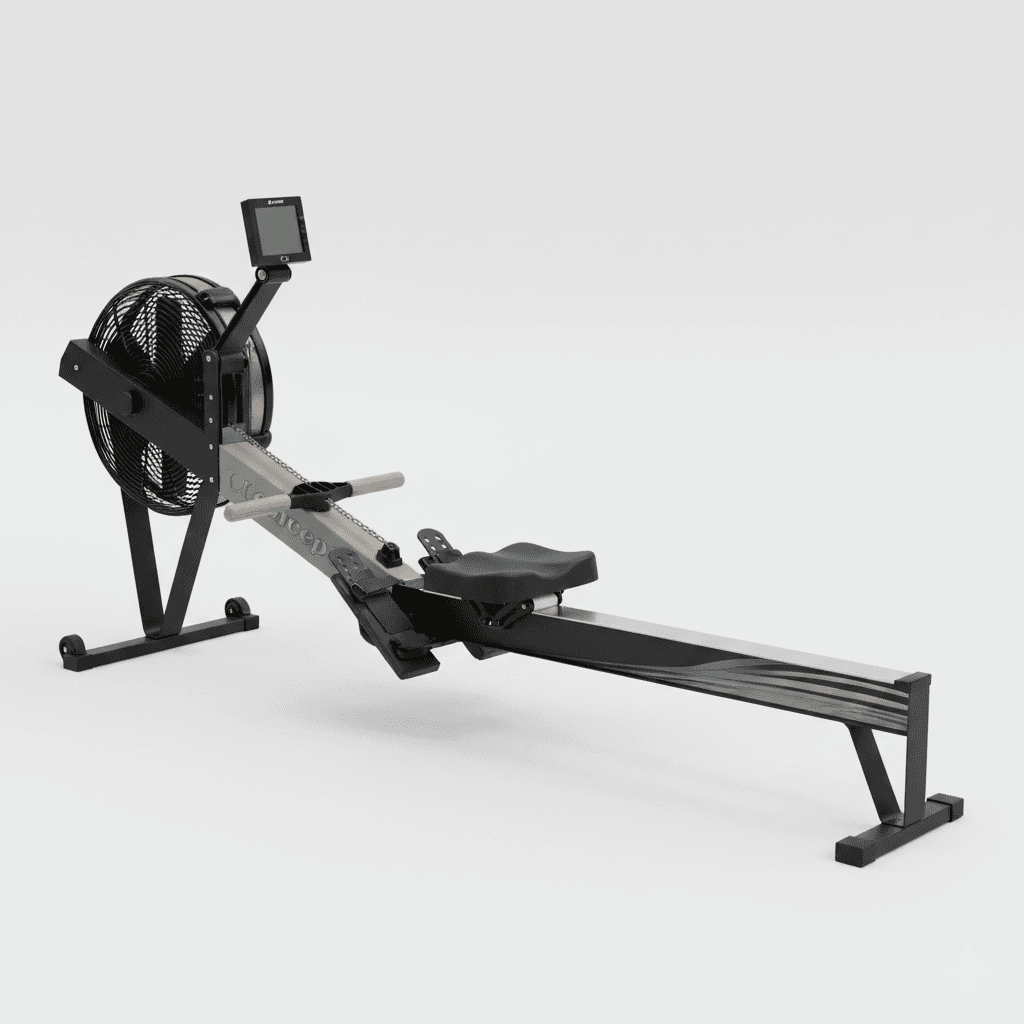
Free Weights vs Machines: Which is Better for Home Gyms?

Thirty years of training at home. Built multiple home gyms from bare garages to proper setups. I know what equipment lasts, what breaks, and what becomes an expensive clothes rack.
Just so you know, some links on this page are affiliate links. If you buy something via them, we get a small kickback. You don't pay more, but it helps toward the next bit of kit.
Looking for more equipment recommendations?
Browse All Guides# Free Weights vs Machines: Which is Better for Home Gyms?
The short answer: free weights win for home gyms. They cost less, take up less space, build more functional strength, and scale as you progress. Machines have advantages, but most of them matter more in a commercial gym than at home.
---
Quick Picks
| Category | Top Pick | Best For | |
|---|---|---|---|
| Adjustable Dumbbells | PowerBlock Elite EXP | Free weight starter | Check Price on Amazon |
| Budget Dumbbells | MuscleSquad 32.5kg | UK value pick | Check Price on Amazon |
| Kettlebell | Amazon Basics | Single starting weight | Check Price on Amazon |
Prices shown are approximate at time of review. Click "Check Price on Amazon" for current pricing.
What Counts as "Free Weights"?
Free weights are any weights not attached to a fixed movement path:
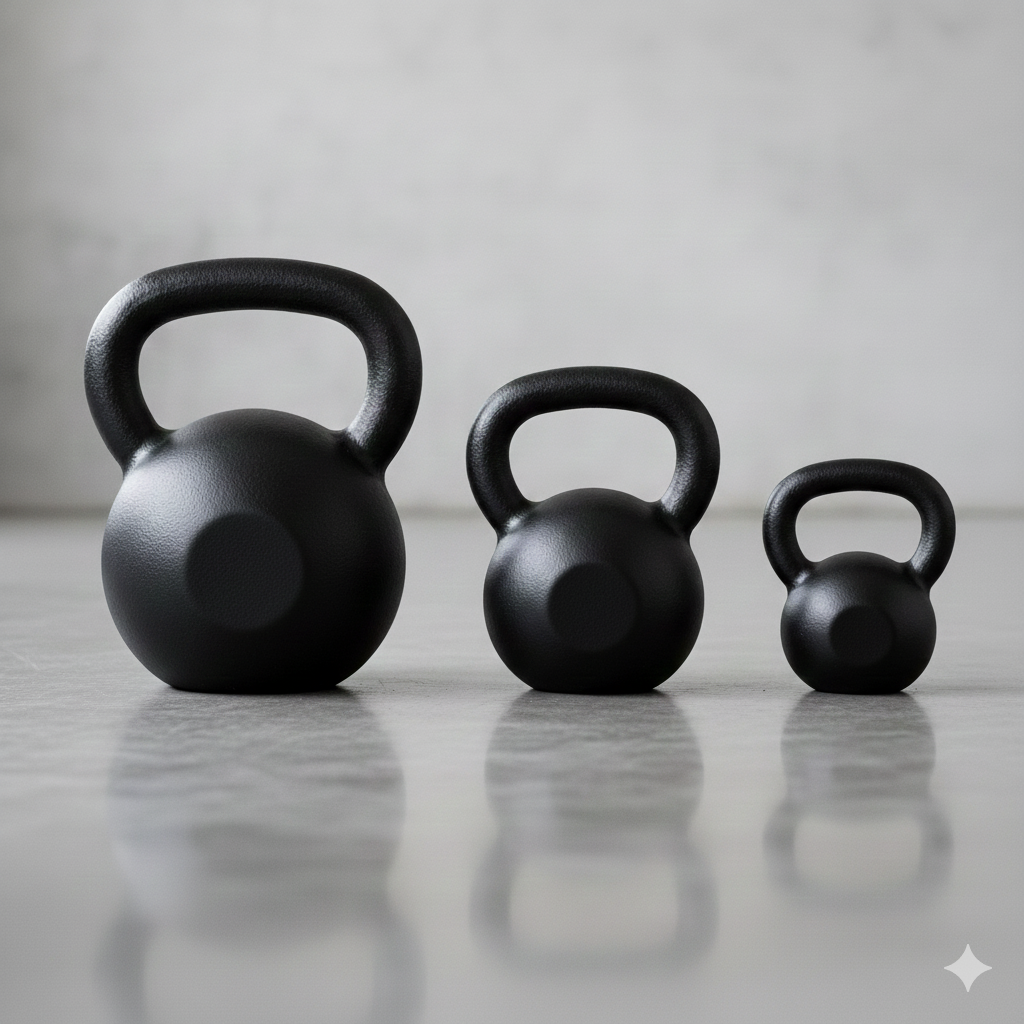
- Dumbbells - the most versatile option - Barbells and plates - the foundation of serious strength training - Kettlebells - great for power, conditioning, and functional movements - Resistance bands, not technically weights, but fill a similar role
What Counts as "Machines"?
Machines guide movement along a fixed path:
- Cable machines / functional trainers - the most versatile type - Plate-loaded machines (leg press, chest press, lat pulldown) - excellent but expensive and space-hungry - Selectorised machines (pin-loaded weight stack) - what most commercial gyms use - Smith machines - barbell on a fixed vertical track
---
Head-to-Head Comparison
| Free Weights | Machines | |
|---|---|---|
| Cost | Low (£150-300 covers most training) | High (£300-1,000+ per machine) |
| Space | Small (dumbbells fit in a corner) | Large (each machine needs dedicated space) |
| Versatility | High (one dumbbell set = dozens of exercises) | Low (most machines do 1-3 exercises) |
| Stability required | Yes (recruits stabiliser muscles) | No (machine handles stability) |
| Learning curve | Moderate (technique matters) | Low (machine guides movement) |
| Injury risk | Moderate (technique-dependent) | Low (guided movement reduces form errors) |
| Progressive overload | Easy (add small increments) | Easy (pin-loaded) or Hard (plate-loaded) |
| Resale value | Good (dumbbells hold value) | Poor (machines are hard to shift) |
---
Why Free Weights Win for Home Gyms
1. Cost efficiency
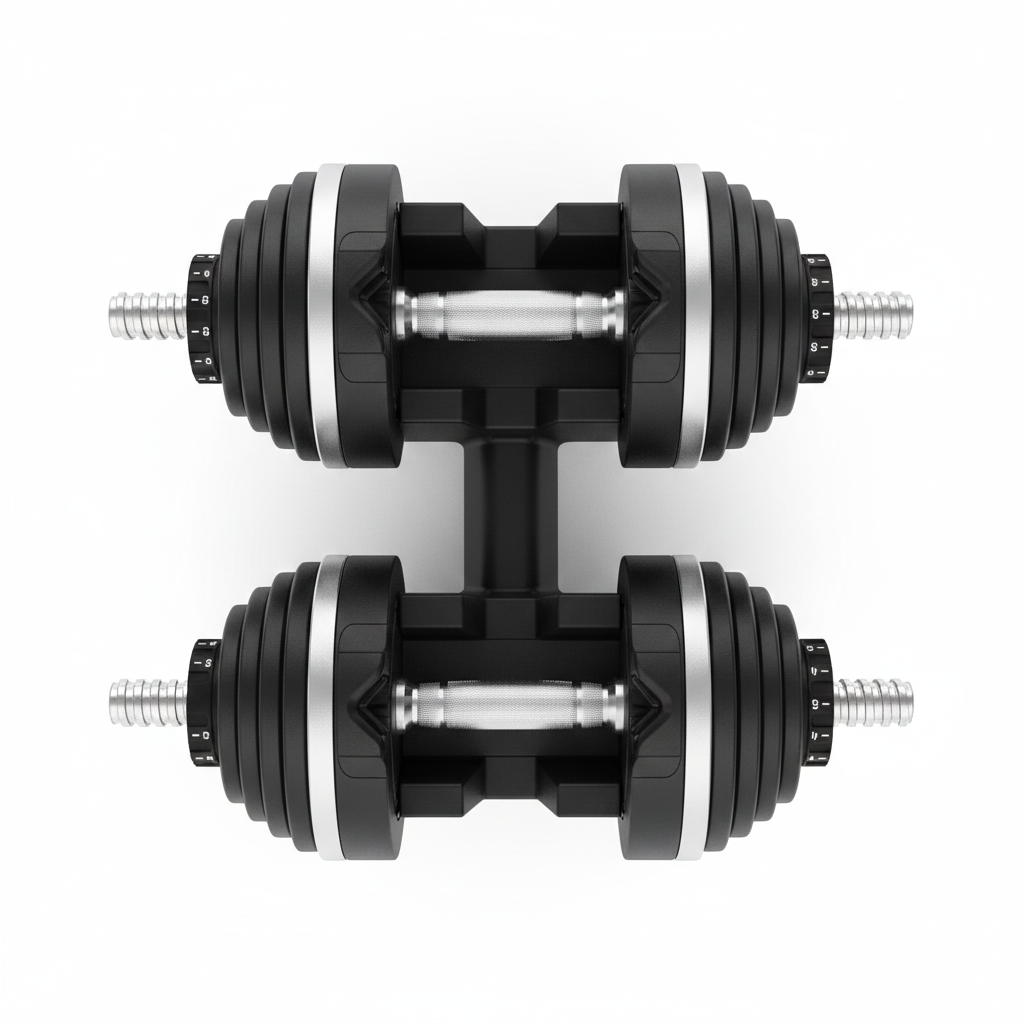
A set of adjustable dumbbells covering 2.5kg–32.5kg costs £150-250. That same £250 buys you one leg extension machine that does one exercise. A barbell and plates for £200-300 covers squats, deadlifts, bench press, rows, and overhead pressing.
To replicate a typical free weights workout using machines, you'd need:
- Chest press machine: £400 - Shoulder press machine: £400 - Lat pulldown: £350 - Leg press: £600 - Leg curl: £400
Total: £2,150, and you'd still need to buy the dumbbells for curls, lateral raises, and everything else machines don't cover well.
2. Space efficiency
The average UK home gym has limited space. A pair of adjustable dumbbells and a bench fits in a 2m x 1.5m area. A single leg press machine needs 1.5m x 2m and ceiling clearance.
If you're working with a spare bedroom, garage corner, or garden shed, free weights are your only realistic option for building a complete setup.
3. More functional strength
Free weights require your stabiliser muscles to work throughout every movement. When you press a dumbbell, your rotator cuff, core, and supporting muscles fire to keep the weight on track. A chest press machine removes that challenge.
This isn't just about ego - functional strength transfers to everyday life, sports, and other exercises. People who exclusively use machines often find they struggle when they switch to free weights because their stabilisers are underdeveloped.
4. Scale as you progress
Free weights grow with you. Start with 5kg dumbbells, progress to 30kg. The same rack of plates works for a beginner squatting 60kg and an experienced lifter squatting 140kg. Machines typically cap out at a fixed weight stack and can't adapt as your strength increases.
---
When Machines Make Sense
There are legitimate reasons to include machines in a home gym:
Injury rehab or prevention: Machines isolate muscles without loading joints at awkward angles. If you're recovering from a shoulder injury, a cable machine lets you do shoulder raises with a safer movement path than dumbbells.
Learning specific muscles: Beginners sometimes struggle to "feel" a muscle working with free weights. Machines remove the coordination element and help you establish the mind-muscle connection before moving to free weights.
Cable machines (functional trainers): Unlike plate-loaded or selectorised machines, a quality cable machine is genuinely versatile. You can do lat pulldowns, cable rows, cable chest flies, face pulls, cable curls, and core work all from one unit. The best home gym cable machines run £600-1,000 but replace a lot of dumbbell work.
Smith machines: Controversial, but useful for home gym users training alone. The fixed bar path means you can safely squat and bench to failure without a spotter. The trade-off is reduced stabiliser activation compared to a free barbell.
---
The Best Home Gym Approach
For most people building a home gym in the UK, this order makes sense:
Stage 1: Start with adjustable dumbbells (£150-250)
Covers 80% of exercises. Lateral raises, curls, rows, presses, lunges, Romanian deadlifts - all done with dumbbells. Add a flat/incline bench (£80-150) and you have a complete upper body training setup.
Stage 2: Add resistance bands (£15-25)
Fill the gaps dumbbells can't cover - face pulls, pull-aparts, banded squats, and direct band training for the glutes. Bands also allow progressive resistance that dumbbells don't always provide.
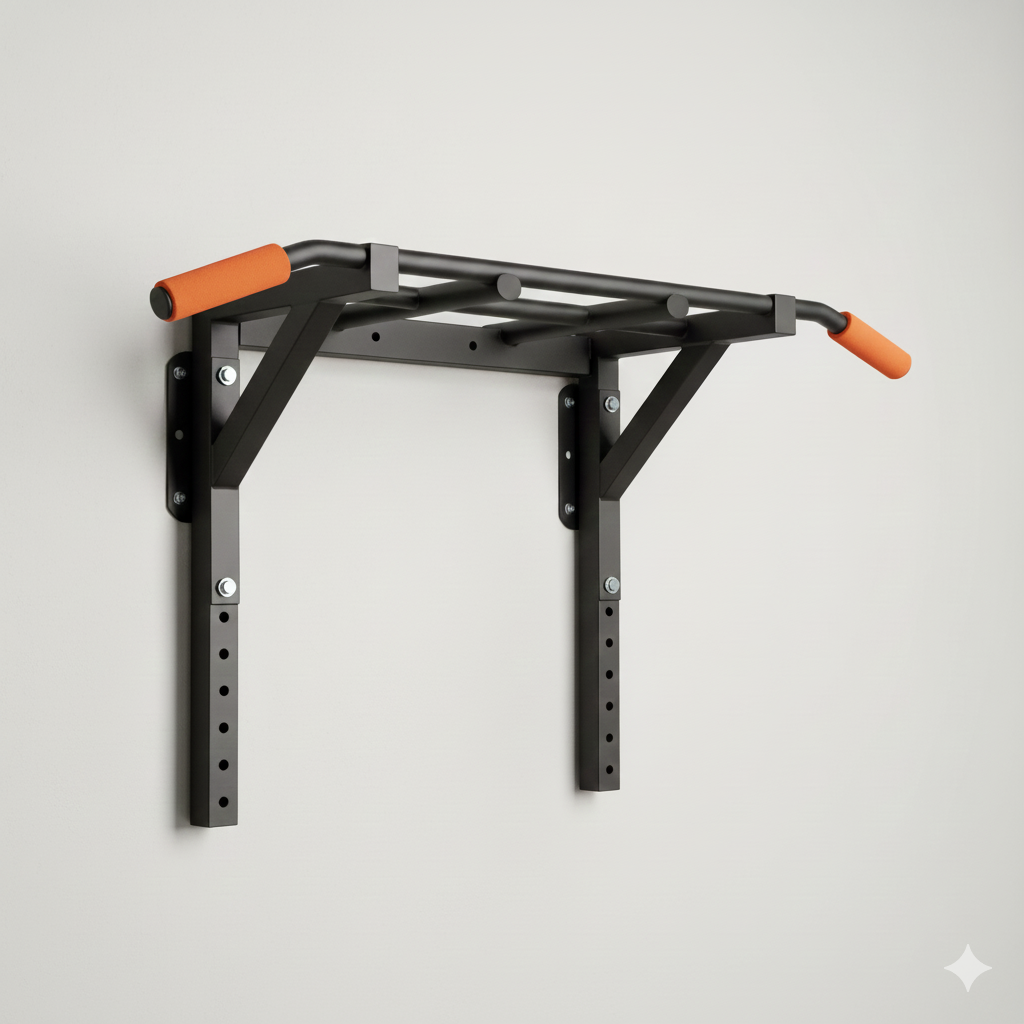
Stage 3: Add a pull-up bar (£20-35)
Covers lat and bicep work that you can't do with dumbbells alone. A doorframe pull-up bar is the cheapest vertical pulling option available.
Stage 4: Barbell and plates (£200-400)
Once you outgrow dumbbells on squats and deadlifts, a barbell becomes essential. You'll need a rack too - budget another £150-300 for a half rack or squat stands.
Optional Stage 5: Cable machine or specialist machine
If budget and space allow, a functional trainer adds movement variety and lets you train with cables for exercise variety. Only worth it once you've maxed out what free weights can give you.
---
The One Machine Worth Buying Early
If you have the budget and space, a functional trainer (dual cable machine) is the most home gym-friendly machine available. Unlike plate-loaded or selectorised machines, you can do dozens of exercises from one unit, adjust height for different movements, and it takes up roughly the footprint of a power rack.
Expect to pay £600-1,000 for a quality unit. Budget options under £400 exist but build quality tends to be poor - cheap cables fray, pulleys crack under load, and the frame flexes.
For most people, adjustable dumbbells plus a barbell is still the better investment at the same budget.
---
The Home Gym Decision
For home gym owners, the choice is effectively made. Machines are expensive, enormous, and limited to single exercises. A £500 cable machine does lat pulldowns, cable rows, and tricep pushdowns. A £500 investment in a barbell, plates, and rack does squats, deadlifts, bench press, overhead press, rows, and dozens of variations.
The Beginner Question
New trainees face the most important version of this choice: which equipment should they learn first?
Start with machines if you have never trained before and have access to a gym. Machines teach movement patterns with built-in safety. You cannot drop a machine on yourself. The fixed path guides you through the correct range of motion. This builds initial strength and confidence over 4-8 weeks.
Switch to free weights after you understand basic movement patterns and have built a foundation of strength. The squat, deadlift, bench press, and row are skills that require learning. Starting with machines builds the baseline strength that makes learning these skills safer and faster.
Start with free weights if you have a home gym (most home gyms do not have machines) or if you have coaching. A few sessions with a qualified personal trainer teaching the fundamental barbell movements is the fastest path to effective free weight training.
Practical Hybrid Approach
The free weights versus machines debate is a false choice. The most effective programmes use both.
Primary compound movements with free weights: Squat, deadlift, bench press, overhead press, bent-over row. These build the foundation because the stabilization demand is part of the training benefit.
Isolation work with machines or bands: Lat pulldowns, cable crossovers, leg extensions, hamstring curls. These target specific muscles without stabilization fatigue.
The fatigue advantage: After heavy free weight compounds, your stabilizers are exhausted. Doing more free weight exercises risks injury from compromised form. Machines remove the stabilization demand, letting you safely push target muscles further. This is why serious bodybuilders use both.
The Scientific Evidence
Exercise science has studied the free weights versus machines debate extensively. The findings are more nuanced than either camp admits.
Muscle activation. Free weight exercises consistently show higher muscle activation in stabilizer muscles compared to machine equivalents. A barbell squat activates core muscles 40-60% more than a leg press at equivalent relative load. A dumbbell bench press activates shoulder stabilizers 20-30% more than a chest press machine. This additional stabilizer work translates to better functional strength and joint health.
Hypertrophy (muscle growth). Multiple studies show comparable muscle growth between free weights and machines when total volume and effort are matched. A 2020 meta-analysis found no significant difference in muscle hypertrophy between free weight and machine training when programmes were equated for sets, reps, and intensity. If your goal is purely muscle size, machines work as well as free weights.
Strength transfer. This is where free weights win clearly. Strength built on machines transfers poorly to real-world movements. A person who can leg press 400 pounds may struggle with a 200-pound barbell squat because the stabilization demands are completely different. Strength built with free weights transfers to both machine exercises and real-world activities.
Injury rates. Machines have lower acute injury rates because the guided movement path prevents form breakdown. Free weights require technique mastery and progressive loading to remain safe. However, machines create repetitive stress injuries more often because the fixed path forces joints into the same position every rep, regardless of individual anatomy.
Home Gym Space and Cost Analysis
For home gyms, the practical comparison strongly favours free weights.
A complete free weight setup (adjustable dumbbells, barbell, rack, bench, and plates) costs £800-2,000 and occupies roughly 6-7 square metres. This setup covers every major movement pattern: push, pull, squat, hinge, and carry.
An equivalent machine setup would require a chest press, lat pulldown, leg press, leg curl, and cable crossover at minimum. Cost: £3,000-8,000 for decent commercial-grade units. Floor space: 18-37 square metres. Maintenance: significantly more than free weights due to cables, pulleys, and weight stacks.
The one machine worth considering for a home gym is a cable pulley system that attaches to a power rack. This adds lat pulldowns, cable rows, face pulls, and tricep pushdowns to your exercise list at a cost of around £60-150. It is the only machine-like addition that meaningfully expands what free weights cannot do.
Age-Specific Recommendations
Ages 16-30: Free weights almost exclusively. This is the prime window for building foundational strength, motor patterns, and connective tissue resilience. Learning to stabilize heavy loads during this period builds protection against injury in later decades. Machines have a role for isolation work but should not form the core of training.
Ages 30-50: Primarily free weights with selective machine use. The training base is established. Machines can target lagging muscle groups without the fatigue cost of compound free weight exercises. A typical split might use barbell squats and bench press as primary movements with machine-based lat pulldowns and leg curls as accessories.
Ages 50 and above: Increased machine use is appropriate. Joint wear, reduced stabilization capacity, and longer recovery times make machines a practical choice for maintaining muscle mass. However, some free weight training (goblet squats, farmer carries, dumbbell rows) should remain in the programme for functional strength and balance.
What to Avoid
Starting with barbells before learning basic movement patterns. A barbell back squat is a skilled movement. Loading weight onto an untrained spine without understanding bracing, foot placement, and depth control is a direct path to injury. Start with goblet squats (dumbbell held at chest), bodyweight squats, or machine squats to build the motor patterns. Graduate to barbells after 4-8 weeks of consistent training.
Using machines exclusively past the beginner phase. Machines teach movement patterns safely, but they also remove the stabiliser muscle recruitment that prevents injury during real-world activity. After 3-6 months of machine training, transition to free weights for compound movements (squat, bench, row, overhead press) while keeping machines for isolation work and high-rep finishers.
Our Recommendation
Building a home gym on a budget (under £500): Go entirely free weights. Adjustable dumbbells, a bench, bands, and a pull-up bar cover almost everything a commercial gym covers for under £350.
For the most popular adjustable dumbbell head-to-head, see the Bowflex SelectTech 552 vs PowerBlock comparison.
Mid-range home gym (£500-1,500): Free weights first, then consider a functional trainer if you have space. Barbell and rack in this range significantly expands what you can do.
Serious home gym (£1,500+): Add specialist machines once you have the free weights foundation. A lat pulldown, leg press, or functional trainer complement a barbell-based setup well.
Free weights first, always. The rest is refinement once you've proven the habit.
Frequently Asked Questions
Related Guides
Find Your Perfect Equipment
Expert guides for racks, barbells, plates, benches, and more. Build your home gym the right way.
Browse All Guides