Barbell vs Dumbbells: Which Should You Buy First?

Thirty years of training at home. Built multiple home gyms from bare garages to proper setups. I know what equipment lasts, what breaks, and what becomes an expensive clothes rack.
Just so you know, some links on this page are affiliate links. If you buy something via them, we get a small kickback. You don't pay more, but it helps toward the next bit of kit.
Looking for more equipment recommendations?
Browse All Guides# Barbell vs Dumbbells: Which Should You Buy First?
Start with adjustable dumbbells. Add a barbell when you've outgrown them, and you will know when that moment arrives, because your goblet squats will plateau and your Romanian deadlifts will feel light.
---
Quick Picks
| Category | Top Pick | Best For | |
|---|---|---|---|
| Barbell | Strongway 20KG Olympic Bar | Home gym barbell | Check Price on Amazon |
| Budget Barbell | BodyPower BLACK Bar | Starter barbell | Check Price on Amazon |
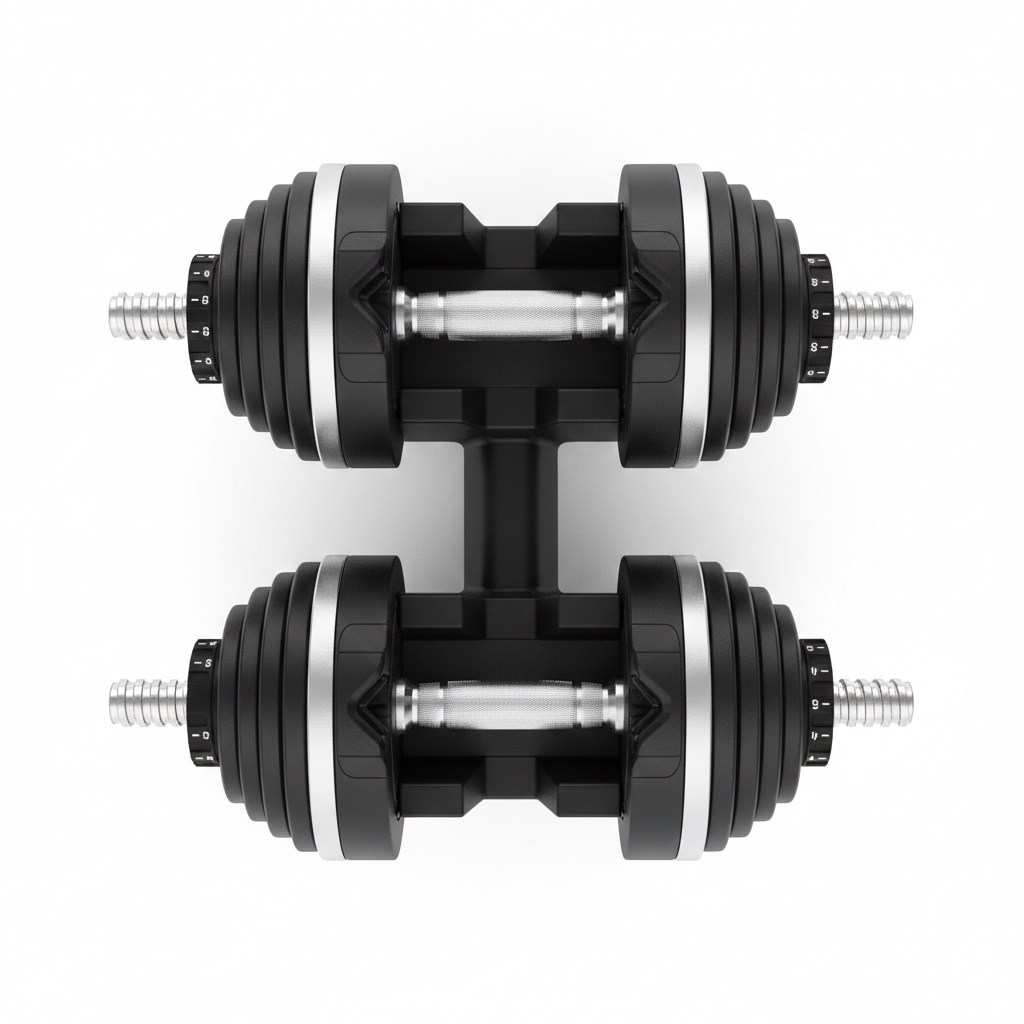
| Dumbbells | PowerBlock Elite EXP | Adjustable, compact | Check Price on Amazon |
| Budget Dumbbells | MuscleSquad 32.5kg | UK value pick | Check Price on Amazon |
Prices shown are approximate at time of review. Click "Check Price on Amazon" for current pricing.
What Each Does Best
Dumbbells excel at:
- Upper body isolation - curls, lateral raises, front raises, tricep extensions, chest flies - Pressing variations - dumbbell bench press, incline press, shoulder press - Rows - dumbbell rows hit the lats and upper back effectively without a barbell - Unilateral work - lunges, single-leg Romanian deadlifts, single-arm rows train each side independently, correcting imbalances - Learning movement patterns - lower coordination demand makes technique easier to learn - Training without a rack - you can press, squat (goblet), and deadlift (Romanian) with dumbbells safely without any supporting equipment
Barbells excel at:
- Heavy compound lifts - back squat, conventional deadlift, bench press, overhead press, barbell row - Progressive overload at heavier weights - you can load a barbell to 150kg+; dumbbells max out around 50kg each - Lower body strength - back squats and deadlifts with a barbell are simply the most effective lower body exercises available - Efficiency - one barbell movement works more muscle at once than most dumbbell alternatives
---
Head-to-Head Comparison
| Dumbbells | Barbell | |
|---|---|---|
| Starting cost | £150-250 (adjustable set) | £200-400 (bar + plates + rack) |
| Space required | Small - fits in a corner | Large - needs rack footprint |
| Spotter required | No | Yes (for pressing) or rack with safeties |
| Upper body pressing | Excellent | Excellent |
| Heavy squats/deadlifts | Limited (goblet squat caps out) | Best option available |
| Unilateral training | Excellent | Limited |
| Versatility per £ spent | Very high | High (but rack required adds cost) |
| Beginner-friendly | Yes | Requires technique coaching |
| Ceiling to progress | Moderate (roughly 32.5kg per hand) | Very high (200kg+ possible) |
---
The Case for Dumbbells First
No rack required
A barbell is useless without somewhere to rest it. A squat rack or half rack adds £150-350 to the cost. A power cage (safer for solo training) costs £300-600. Suddenly your "£200 barbell" is a £500+ investment before you lift a single rep.
Adjustable dumbbells need a floor and a bench. That's it.
Safer for solo training
Failing a heavy dumbbell press means dropping the weights to the floor. Failing a heavy barbell bench press without safeties means being trapped under the bar. Without a rack with proper safety pins or a spotter, barbell pressing is genuinely dangerous.
Dumbbells are the safer choice for anyone training alone, which is most home gym users.
More exercise variety per pound spent
A single set of adjustable dumbbells covers 40+ exercises. A barbell covers 10-15 exercises well without a rack (floor press, deadlift, Romanian deadlift, bent-over row, overhead press if you can clean it). Add a rack and the number goes up significantly, but the cost goes up too.
The progression gap isn't immediate
Most beginners take 6-12 months before they outgrow what dumbbells can offer on squats. Goblet squatting a 32kg dumbbell is a meaningful achievement that takes time to reach. There's no rush to buy a barbell before you need one.
---
The Case for Adding a Barbell
Heavy squat and deadlift progression
This is the defining argument. Once you're goblet squatting 30-32kg and want to get stronger in your legs, you've hit a wall. Romanian deadlifts with 30kg dumbbells are a solid exercise, but they don't replicate the full loading potential of a conventional deadlift with a barbell.
If lower body strength is a goal, and it should be for most people - a barbell and rack is the logical next step after outgrowing dumbbells.
Bench press efficiency
Dumbbell bench press is an excellent exercise. But when you're pressing 30kg dumbbells, the limiting factor becomes picking them up and getting into position, not the lift itself. Barbell bench press is mechanically more efficient at heavy weights and allows for better overloading.
Overhead press
Dumbbell overhead press is solid. Barbell overhead press - once you're cleaning the bar or have a rack at the right height - allows heavier loading and more consistent bar path, which matters for shoulder development at higher levels.
---
The Ideal Home Gym Sequence
Month 1-3: Adjustable dumbbells (2.5-32.5kg) + flat/incline bench + pull-up bar - Cost: around £350 - Covers: All upper body work, goblet squats, lunges, RDLs, rows
Month 3-12: Add resistance bands + kettlebell (optional) - Cost: approximately £50-80 - Covers: Face pulls, pull-aparts, glute work, conditioning
Month 6-18 (when goblet squat ≥28kg, RDL ≥30kg each hand): Add barbell, plates, half rack - Cost: £400-600 - Covers: Back squat, conventional deadlift, barbell bench press, barbell row
This sequence means you're buying the barbell when you actually need it, not before. You'll also have learned movement patterns with dumbbells first, making the transition to barbell movements safer and faster.
---
When to Buy the Barbell First
There are cases where starting with a barbell makes more sense:
- You're an experienced lifter returning to training - you already know barbell technique, and rebuilding strength on barbells is more efficient - Your primary goal is powerlifting or competitive lifting - squat, bench, deadlift specificity matters from day one - You have a training partner who can spot and coach - the safety concern is mitigated - Budget is tight and space is large - a £70 standard barbell + second-hand plates can be cheaper than quality adjustable dumbbells, if you already have a rack or don't plan to bench press
---
The Verdict by Training Goal
If your goal is maximum strength: Barbell. The ability to load progressively with small increments and move heavy absolute loads makes barbells essential for anyone chasing strength records.
If your goal is muscle size (hypertrophy): Both work equally well. Scientific evidence shows no significant difference in muscle growth between barbell and dumbbell training when volume is equated. Use whichever you enjoy more, because consistency matters more than equipment choice.
If your goal is general fitness and health: Dumbbells. They require less space, less setup, and cover more exercise variety per piece of equipment. The lower barrier to starting a session means more sessions actually happen.
Training Experience and Enjoyment
Beyond the practical differences, barbells and dumbbells create different training experiences.
Barbell training feels like lifting. There is a psychological weight to loading plates onto a bar, stepping under it, and moving heavy iron. The progressive overload is visible and motivating. Adding a 2.5kg plate to each side is a concrete, measurable achievement. Many people find barbell training more mentally engaging than dumbbell work because the setup ritual creates focus and the weights feel significant.
Dumbbell training feels more accessible. There is less setup, less intimidation, and lower perceived risk. Adjustable dumbbells sit in a cradle ready to go. You change weight in seconds and move between exercises without loading and unloading plates. For people who find gym culture intimidating, dumbbell training at home removes every barrier.
Space Requirements
For home gym planning, space requirements differ significantly.
Dumbbell-only setup: A pair of adjustable dumbbells in their cradle plus a bench occupies roughly 4 by 3 feet. This fits in a bedroom corner, a closet with the doors removed, or a section of a living room.
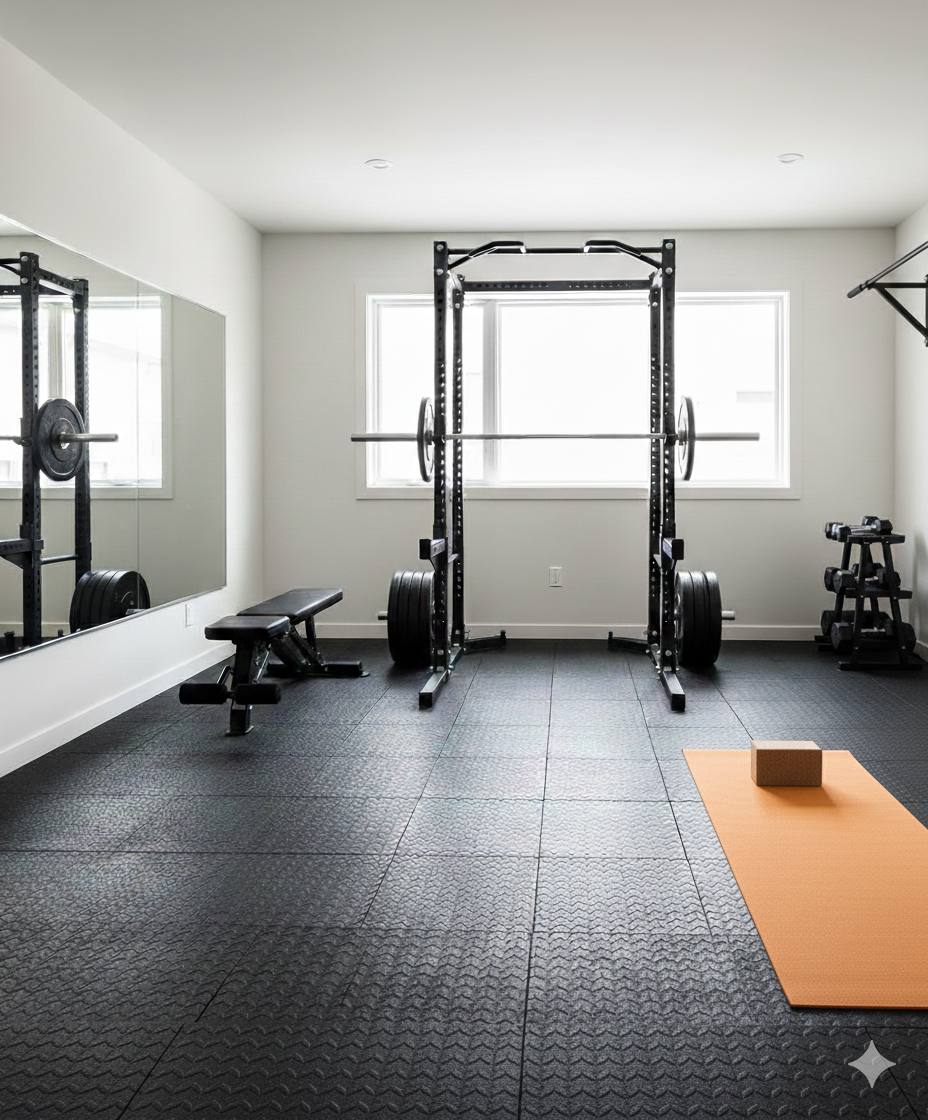
Barbell setup: A power rack with enough space to bench press and load plates needs roughly 4 by 11 feet minimum. This requires a dedicated room, a garage, or a large basement. The barbell itself is 7 feet long and cannot be stored upright in a corner without a holder.
Injury Risk and Joint Health
Barbells and dumbbells present different injury profiles, and understanding these helps you train safely long-term.
Barbell injuries typically occur from fixed movement paths under heavy load. The bench press locks your shoulders into a fixed grip width. If your shoulder mobility is limited, this creates impingement over time. The squat loads the spine vertically, which is safe with good technique but punishing with a rounded back. The deadlift puts the lower back under significant stress, especially when fatigue degrades form in later sets.
Dumbbell injuries tend to come from instability. Each arm works independently, which is good for balance but means stabilizer muscles can fail mid-rep. Dropping a heavy dumbbell during a chest press because one arm gave out is a real risk. The fix is conservative weight selection and controlled movements rather than pushing to absolute failure.
For people with existing injuries: Dumbbells are generally safer because they allow natural movement paths. A shoulder injury that prevents barbell bench press may tolerate dumbbell press because each arm can find its own comfortable angle. A lower back issue that makes barbell deadlifts painful may respond well to single-leg dumbbell Romanian deadlifts at lighter weight.
For beginners: Dumbbells carry lower risk because the weights are lighter and easier to bail from. Failing a barbell squat without a rack means the bar falls on you. Failing a dumbbell squat means you drop the weights to your sides. This safety margin matters when you are learning movements and do not yet know your limits.
Strength Ceiling and Progressive Overload
Barbells allow heavier absolute loads than dumbbells. Most gyms stock dumbbells up to 50kg per hand. Barbells can be loaded to 200kg or more. For serious strength development in the squat, deadlift, and bench press, barbells are necessary beyond the intermediate stage.
Dumbbell training ceiling for most exercises: bench press tops out around 40-50kg per hand for most home trainees. This is equivalent to roughly a 90-110kg barbell bench press. If your goals include pressing beyond this range, you need a barbell.
However. The vast majority of home gym trainees never reach dumbbell limits. A person who can dumbbell press 40kg per hand with full range of motion has built impressive strength that exceeds 95% of the general population. The barbell advantage only kicks in for serious strength athletes or competitive lifters.
Cost Comparison for Home Gyms
A complete dumbbell setup for home training costs less than a barbell setup that covers the same exercises.
Dumbbell-only setup: Adjustable dumbbells (2.5-25kg range): around £150-300 Adjustable bench: around £80-150 Total: £230-450
Barbell setup (equivalent exercise coverage): Olympic barbell: around £100-250 Weight plates (150kg set): around £150-350 Power rack or half rack: around £150-350 Bench: around £80-150 Total: £480-1,100
The barbell setup costs 2-3 times more, requires 3-4 times more space, and takes longer to set up for each exercise. For beginners and intermediate trainees, the dumbbell setup delivers equal or better training stimulus at lower cost and smaller footprint.
Programme Design: Using Both
The most effective approach is not choosing one over the other but using both strategically.
Compound lifts with barbells: Squat, deadlift, bench press, overhead press, bent-over row. These five movements build the foundation of strength. Barbells allow heavier loads and more precise progressive overload (you can add 2.5kg to a barbell but the smallest dumbbell increment is typically 2kg per hand).
Accessory work with dumbbells: Lateral raises, bicep curls, tricep extensions, dumbbell rows, lunges, Bulgarian split squats. These target specific muscles and address imbalances that barbell-only training can hide. The independent arm movement of dumbbells reveals and corrects left-right strength differences.
What to Avoid
Buying a barbell setup without enough ceiling height for overhead pressing. A standard Olympic barbell is 2.2m long. Overhead pressing while standing requires the bar plus your arm length plus plate radius above the floor. For most adults, that means 2.4m minimum ceiling clearance. Basement and garage gyms with 2.1m ceilings force you to press seated, which changes the exercise mechanics and limits weight progression.
Cheap barbells that bend under moderate load. A barbell rated below 150kg will develop permanent bend ("set") once loaded past its rating. That bend is permanent and worsens with each session. Budget barbells (under 100 pounds) use low-grade steel that bends at loads most intermediate lifters reach within 6-12 months. Spend the extra 30-50 pounds on a bar rated to 200kg+ and it will outlast every other piece of equipment you own.
Our Recommendation
First home gym purchase: Adjustable dumbbells (Mirafit or PowerBlock, 2.5-32.5kg) + bench. The combination covers the widest range of exercises per pound spent.
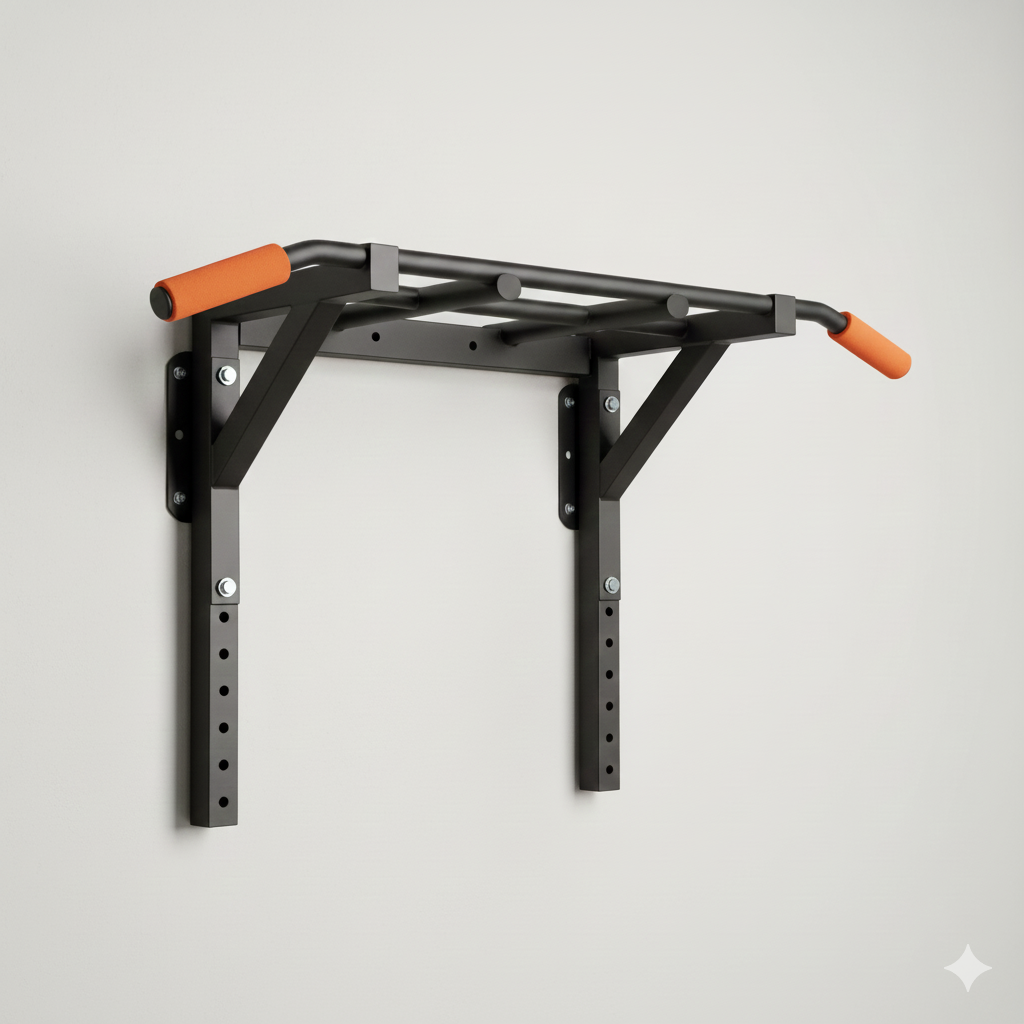
Second phase: Pull-up bar for vertical pulling. Resistance bands for face pulls and glute work.
Third phase (when ready): Olympic barbell + 100kg plate set + half rack. This is when your lower body training gets serious.
The sequence matters: dumbbells teach movement patterns safely, build the habit, and cover 90% of exercises before a barbell becomes necessary. When you're consistently hitting the top of the dumbbell rep range on squats and deadlifts, the barbell is ready for you. Not before.
Frequently Asked Questions
Related Guides
Find Your Perfect Equipment
Expert guides for racks, barbells, plates, benches, and more. Build your home gym the right way.
Browse All Guides