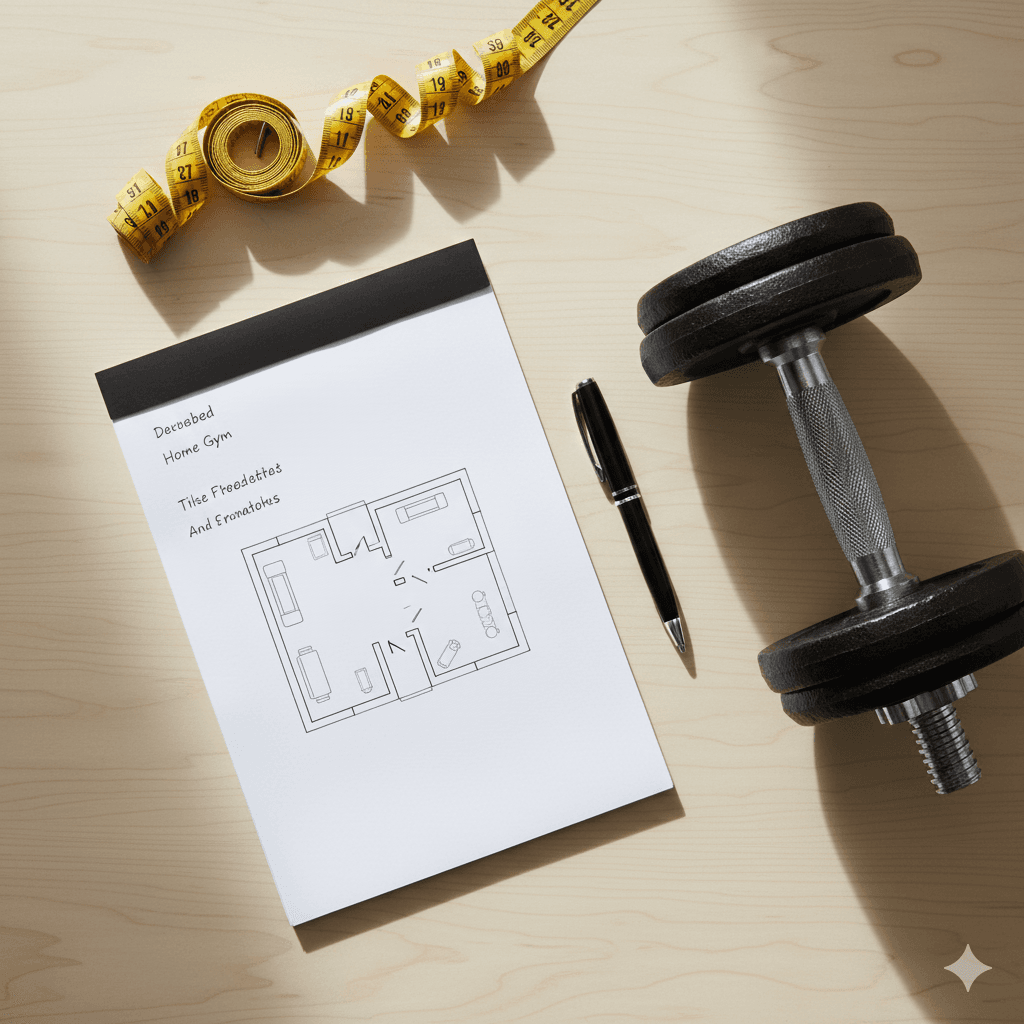
Home Gym Workout Plan: 3-Day and 4-Day Programmes

Thirty years of training at home. Built multiple home gyms from bare garages to proper setups. I know what equipment lasts, what breaks, and what becomes an expensive clothes rack.
Just so you know, some links on this page are affiliate links. If you buy something via them, we get a small kickback. You don't pay more, but it helps toward the next bit of kit.
Looking for more equipment recommendations?
Browse All Guides# Home Gym Workout Plan: 3-Day and 4-Day Programmes
Progressive overload drives results. Not the specific exercises, not the split, not the programme name. Add weight or reps consistently, and you'll get stronger. These plans are built around that principle - using equipment most home gym users already have: adjustable dumbbells, a bench, and a pull-up bar.
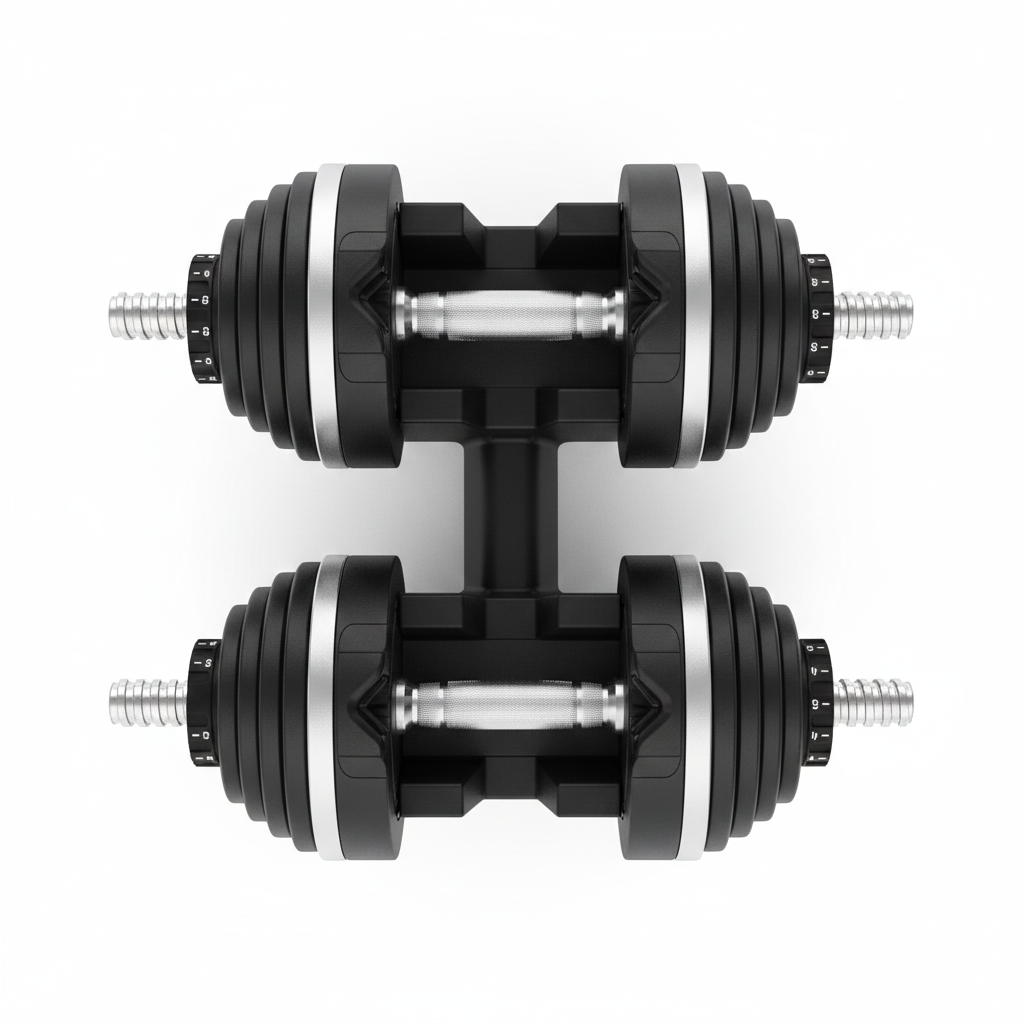
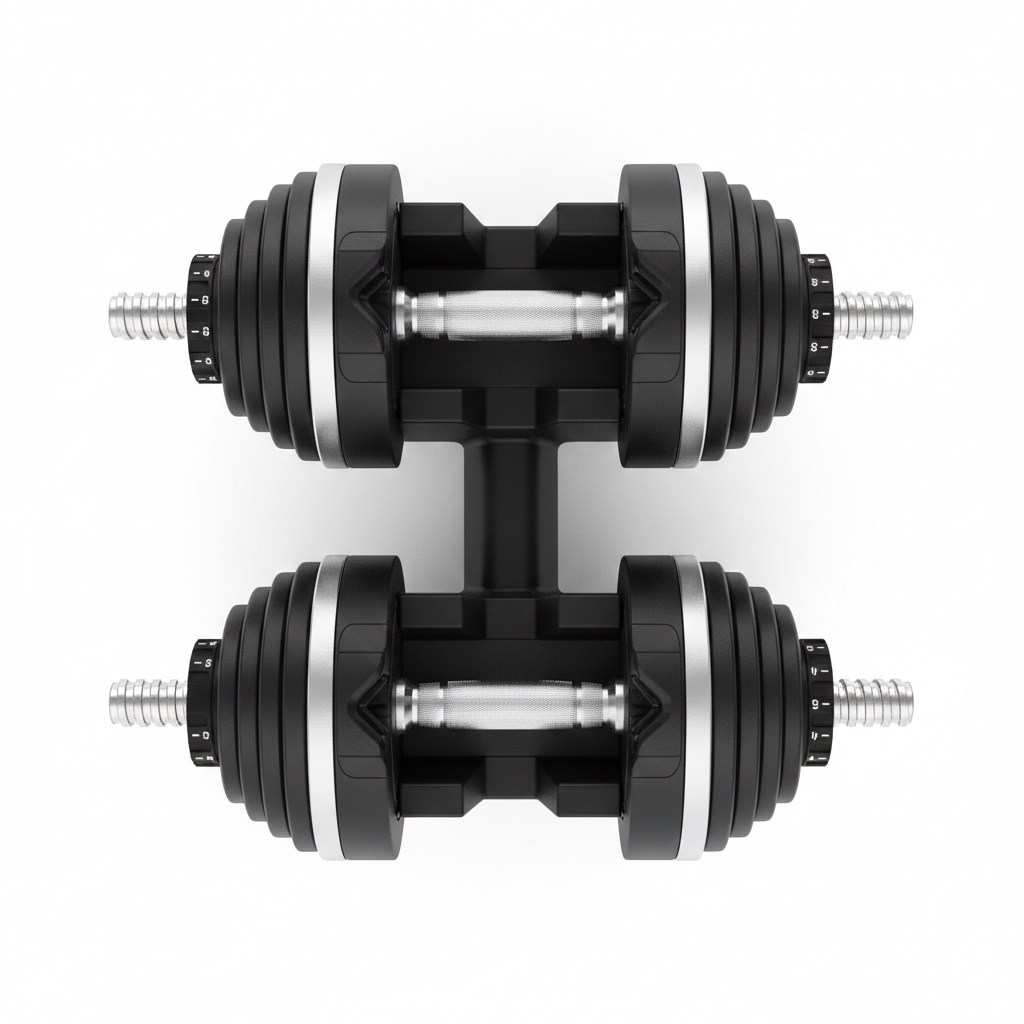
Need the equipment? MuscleSquad 32.5kg adjustable dumbbells and a Mirafit M150 bench cover every exercise in both programmes below. Under £350 total.
---
Equipment Assumed
- Adjustable dumbbells (2.5kg-32.5kg) - Flat/incline bench - Doorframe pull-up bar - Resistance bands (optional but useful)
---
Programme A: 3-Day Full Body (Beginners to Intermediate)
Best for: Anyone new to training, or returning after a break. Also works well for intermediate lifters with limited time (3 days/week).
Structure: Full body, 3x per week, non-consecutive days (e.g. Mon/Wed/Fri)
Rest between sets: 90 seconds for compound movements, 60 seconds for isolation
Progressive overload: Add 1 rep per set per session. When you hit the top of the rep range on all sets, increase the weight by the smallest increment available.
---
Day A (Push focus)
| Exercise | Sets | Reps | Notes |
|---|---|---|---|
| Dumbbell Bench Press | 3 | 8-12 | Flat or incline |
| Dumbbell Shoulder Press | 3 | 8-12 | Seated or standing |
| Goblet Squat | 3 | 10-15 | Hold one dumbbell at chest |
| Dumbbell Lateral Raise | 3 | 12-15 | Light weight, controlled |
| Dumbbell Tricep Overhead Extension | 3 | 10-12 | Both hands on one dumbbell |
| Plank | 3 | 30-60s |
---
Day B (Pull focus)
| Exercise | Sets | Reps | Notes |
|---|---|---|---|
| Pull-Ups (or Assisted) | 3 | 5-10 | Add weight when 3x10 is easy |
| Dumbbell Row | 3 | 8-12 per side | Brace on bench |
| Romanian Deadlift | 3 | 10-12 | Slow eccentric |
| Dumbbell Curl | 3 | 10-12 | Alternate arms |
| Face Pull (band) | 3 | 15-20 | Essential for shoulder health |
| Dead Bug | 3 | 8 per side | Core stability |
---
Day C (Legs + full body)
| Exercise | Sets | Reps | Notes |
|---|---|---|---|
| Dumbbell Lunge | 3 | 10-12 per leg | Reverse lunge is easier on knees |
| Dumbbell Step-Up | 3 | 10 per leg | Use a bench or sturdy box |
| Single-Leg Romanian Deadlift | 3 | 8-10 per leg | Light to moderate weight |
| Dumbbell Bench Press (variation) | 2 | 10-12 | Incline if Day A was flat |
| Inverted Row (under desk/bar) | 3 | 10-12 | Or band pull-apart |
| Farmer's Carry | 3 | 30m | Heavy dumbbells, walk the space you have |
---
Programme B: 4-Day Upper/Lower Split (Intermediate)
Best for: Intermediate lifters wanting more volume, or anyone who's been training consistently for 6+ months.
Structure: Upper/Lower alternating, 4x per week (e.g. Mon/Tue/Thu/Fri)
Rest between sets: 2 minutes for heavy compound sets, 60-90 seconds for accessories
Progressive overload: Add reps within the given range. When you consistently hit the top of the range across all sets, increase load.
---
Day 1: Upper A (Push emphasis)
| Exercise | Sets | Reps | Notes |
|---|---|---|---|
| Dumbbell Bench Press | 4 | 6-10 | Work up to a challenging weight |
| Incline Dumbbell Press | 3 | 8-12 | |
| Dumbbell Shoulder Press | 3 | 8-12 | |
| Dumbbell Lateral Raise | 4 | 12-15 | |
| Tricep Dips (bench) | 3 | 10-15 | Add weight on lap if easy |
| Overhead Tricep Extension | 3 | 10-12 |
---
Day 2: Lower A (Quad emphasis)
| Exercise | Sets | Reps | Notes |
|---|---|---|---|
| Goblet Squat | 4 | 8-12 | Heavy as possible with good form |
| Bulgarian Split Squat | 3 | 8-10 per leg | Rear foot elevated on bench |
| Dumbbell Step-Up | 3 | 10 per leg | |
| Leg Extension (band around door) | 3 | 15-20 | Optional, band only |
| Calf Raise | 4 | 15-20 | Standing on a step with dumbbell |
| Ab Wheel / Rollout | 3 | 8-10 | Or plank 45-60s |
---
Day 3: Upper B (Pull emphasis)
| Exercise | Sets | Reps | Notes |
|---|---|---|---|
| Pull-Ups | 4 | 6-10 | Weighted if 3x10 is easy |
| Dumbbell Row | 4 | 8-10 per side | Heavier than Day 1 |
| Chest-Supported Row (on incline bench) | 3 | 10-12 | Reduces lower back fatigue |
| Face Pull (band) | 4 | 15-20 | |
| Dumbbell Curl | 3 | 10-12 | |
| Hammer Curl | 3 | 10-12 | Neutral grip, targets brachialis |
---
Day 4: Lower B (Posterior chain emphasis)
| Exercise | Sets | Reps | Notes |
|---|---|---|---|
| Romanian Deadlift | 4 | 8-10 | As heavy as dumbbells allow |
| Single-Leg Romanian Deadlift | 3 | 8 per leg | Balance and control focus |
| Dumbbell Hip Thrust (bench) | 4 | 12-15 | Upper back on bench |
| Nordic Curl (feet under bench) | 3 | 5-8 | Hardest hamstring exercise |
| Reverse Lunge | 3 | 10 per leg | |
| Pallof Press (band) | 3 | 10 per side | Anti-rotation core |
---
How to Progress Over Time
Months 1-3
Months 3-6
Months 6-12
---
Warming Up
5-10 minutes before each session:
1. Joint circles (wrists, shoulders, hips, ankles) - 30 seconds each 2. Band pull-aparts - 2x20 (or arm swings if no bands) 3. Bodyweight squat - 2x15, slow and controlled 4. Push-up - 2x10
Then do 1-2 lighter warm-up sets of your first exercise before working sets.
---
What to Track
The minimum effective tracking system: - Exercise, weight, sets x reps for each session - Date of session
That's it. A notes app or cheap notebook works. Tracking is only useful if you actually look at it to decide when to progress weight, which most people don't do without writing it down.
---
Common Mistakes
Skipping progressive overload: Going through the same workout with the same weights session after session. If nothing gets harder, nothing changes.
Too much variety: Changing exercises every session so you never get good at anything. Stick to the same movements for 8-12 weeks minimum.
Insufficient pull work: Most beginners do too much pushing (bench, shoulder press) and not enough pulling (rows, pull-ups). The programmes above are intentionally balanced - keep them that way.
Skipping legs: Lower body training is uncomfortable. Do it anyway. Goblet squats, lunges, and RDLs are legitimate exercises that build real strength.
---
Measuring Progress Without a Gym
Commercial gyms provide machines with weight stacks that make progress obvious. Home gym progress tracking requires more intention.
Training log. Write the date, exercise, weight, sets, and reps after every session. A simple notebook works perfectly. Review weekly. If a lift has not progressed in three consecutive weeks, change something: more food, more sleep, a deload week, or a different exercise variation.
Body measurements every 4 weeks supplement the training log. Chest, waist, hips, biceps, and thighs measured at consistent points. Weight fluctuates daily with hydration and food. Measurements change slowly but reliably reflect body composition changes.
Common Mistakes That Stall Progress
Programme hopping is the most common reason people stop progressing. Switching programmes every 2-3 weeks means you never adapt to any stimulus long enough to produce results. Choose one programme and follow it for a minimum of 8 weeks before evaluating.
Ego lifting means choosing weight that is too heavy, sacrificing form for numbers. A dumbbell bench press with 20kg and full range of motion builds more muscle than 30kg with half the range. Nobody in your home gym is watching. Use appropriate weight.
Skipping legs is common in home gyms because lower body exercises are harder and less visible in the mirror. However, squats and lunges produce the largest hormonal response of any exercise, benefiting total body muscle growth. Skipping legs means slower progress everywhere.
Equipment Substitutions
Not every home gym has every piece of equipment. These substitutions let you follow any programme regardless of what you own.
No bench: Floor press replaces bench press with slightly reduced range of motion. Place dumbbells on the floor, lie down, and press. The floor stops your elbows at 90 degrees, which is actually easier on shoulders than a full bench press.
No pull-up bar: Dumbbell rows and band pull-aparts replace vertical pulling. Not identical, but they train the same muscle groups. An inverted row under a sturdy table works the back through a similar movement pattern.
No barbell: Goblet squats and dumbbell Romanian deadlifts replace barbell squats and deadlifts. You will not move as much total weight, but the training stimulus is similar for the first 12-18 months of training.
Recovery and Progression
Training without a plan for recovery leads to stagnation or injury within 8-12 weeks.
Sleep is the most important recovery factor. Muscle growth happens during sleep, not during training. Training tears muscle fibres down. Sleep builds them back stronger. Seven to eight hours per night is the minimum for anyone training 3-4 times per week. Less sleep means less recovery, which means less progress, which means less motivation.
Rest days between sessions allow muscles to recover. The full-body programmes above include rest days between sessions. If you train Monday, Wednesday, and Friday, Tuesday and Thursday are recovery days. You can walk, stretch, or do light activity, but avoid intense training of the same muscle groups.
Deload weeks every 4-6 weeks prevent accumulated fatigue from becoming injury. During a deload week, reduce all weights by 40-50% and keep the same exercises. This feels easy. That is the point. Your body catches up on recovery while your nervous system stays primed.
Progressive overload is the principle that drives results. Each session or week, you increase some training variable: weight, reps, sets, or difficulty of exercise. The simplest approach: when you can complete all prescribed sets and reps with good form, increase the weight by the smallest available increment next session.
Tracking makes progression concrete. A simple notebook works perfectly. Write the date, exercise, weight, sets, and reps. Review weekly. If a lift has not progressed in three weeks, something needs changing: more food, more sleep, a different exercise variation, or a deload.
Frequently Asked Questions
Related Guides
Find Your Perfect Equipment
Expert guides for racks, barbells, plates, benches, and more. Build your home gym the right way.
Browse All Guides